High-temperature alloy fixtures machined to aerospace-grade tolerances for turbine assembly lines.

Lightweight titanium and aluminum brackets with complex contour profiles for airframe structures.

Corrosion-resistant stainless steel components for aerospace fuel delivery and control systems.

EMI-shielded enclosures and precision housings for avionics modules and navigation systems.
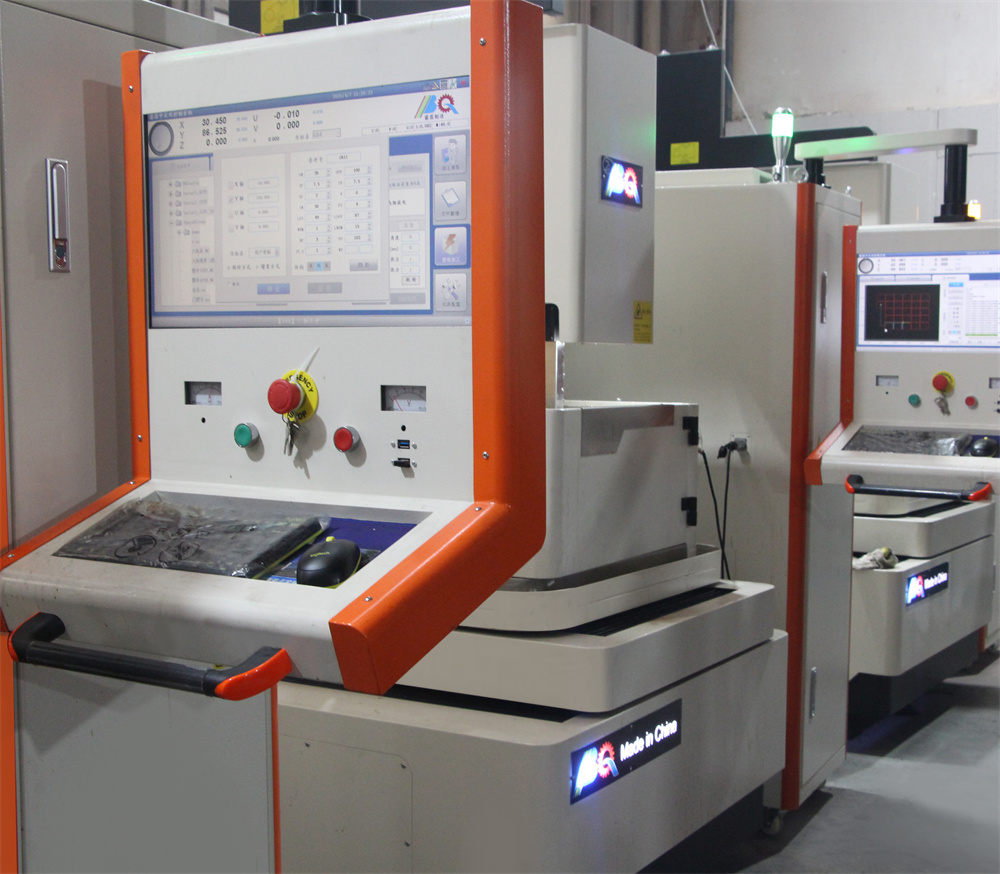
Wire Electrical Discharge Machining (Wire EDM) is a non-contact, thermally driven subtractive manufacturing process in which a thin, electrically charged wire — typically brass or coated copper with diameters ranging from 0.05 mm to 0.33 mm — erodes conductive workpiece material through a series of controlled electrical discharges. Because the wire never physically contacts the workpiece, there is zero cutting force, making Wire EDM uniquely suited to aerospace components that are fragile, thin-walled, or manufactured from exotic superalloys that are notoriously difficult to machine by conventional means.
The aerospace sector demands the highest dimensional accuracy of any manufacturing industry. Flight-critical components such as turbine blades, fuel injector nozzles, landing gear linkages, and satellite structural members routinely require tolerances of ±0.002 mm or tighter. Surface integrity — freedom from micro-cracks, residual stress, and heat-affected zones — is equally non-negotiable, since any subsurface damage can initiate fatigue failure under the cyclical loads experienced in flight. Wire EDM addresses both requirements simultaneously: its spark-erosion mechanism generates a minimal heat-affected zone (HAZ), and modern CNC Wire EDM machines achieve surface roughness values as low as Ra 0.1 µm in finish-cut mode.
The global aerospace precision machining market was valued at approximately USD 14.2 billion in 2023 and is projected to expand at a CAGR of 6.8% through 2030, driven by rising commercial aircraft deliveries, next-generation defense programs, and the rapid growth of the commercial space sector. Within this landscape, Wire EDM occupies a strategically important niche: it is the process of choice for any aerospace component that combines hardness, complexity, and tight tolerance in a single part — a combination that describes a growing proportion of next-generation designs.
Because Wire EDM applies no mechanical force to the workpiece, it is the only practical process for producing intricate aerospace features in hardened superalloys (Inconel, Hastelloy, Waspaloy), titanium alloys (Ti-6Al-4V), and advanced ceramics without inducing distortion, burr, or residual stress — all of which are disqualifying defects in flight-certified components.
Turbine blade fir-tree root profiles, nozzle guide vane slots, and combustion liner cooling holes demand profile tolerances below ±0.003 mm in Inconel 718 and René 80. Wire EDM is the only process that can cut these profiles without distorting the thin-section airfoil geometry or introducing residual tensile stress at the blade root — a critical fatigue initiation site.
Titanium Ti-6Al-4V spars, ribs, and bulkhead cutouts are routinely produced by Wire EDM when the section thickness falls below 3 mm or when the part requires multiple precision-located holes in a single setup. The process eliminates tool deflection errors and produces burr-free edges that do not require secondary deburring — a significant advantage in titanium, where manual deburring risks introducing micro-nicks that can propagate as fatigue cracks.
Commercial satellite manufacturers specify Wire EDM for aluminum honeycomb-insert pockets, waveguide flanges, and reaction wheel mounting brackets where mass is minimized and flatness must be maintained within 0.01 mm across large panel areas. The absence of cutting forces prevents the thin-wall distortion that plagues high-speed milling of these lightweight structures.
High-strength steel (300M, 4340M) and maraging steel landing gear components require profile grinding or Wire EDM for final sizing of lug bores, trunnion slots, and lock-link profiles. Wire EDM offers a cost advantage over profile grinding for low-to-medium volumes, with equivalent dimensional accuracy and superior flexibility for design changes during certification testing.
Precision EMI shields, antenna brackets, and inertial measurement unit (IMU) housings machined from beryllium-copper or aerospace-grade aluminum alloys require slot widths and wall thicknesses that are beyond the capability of conventional end milling. Wire EDM produces these features with Ra 0.2 µm surface finish, eliminating the need for lapping or honing.
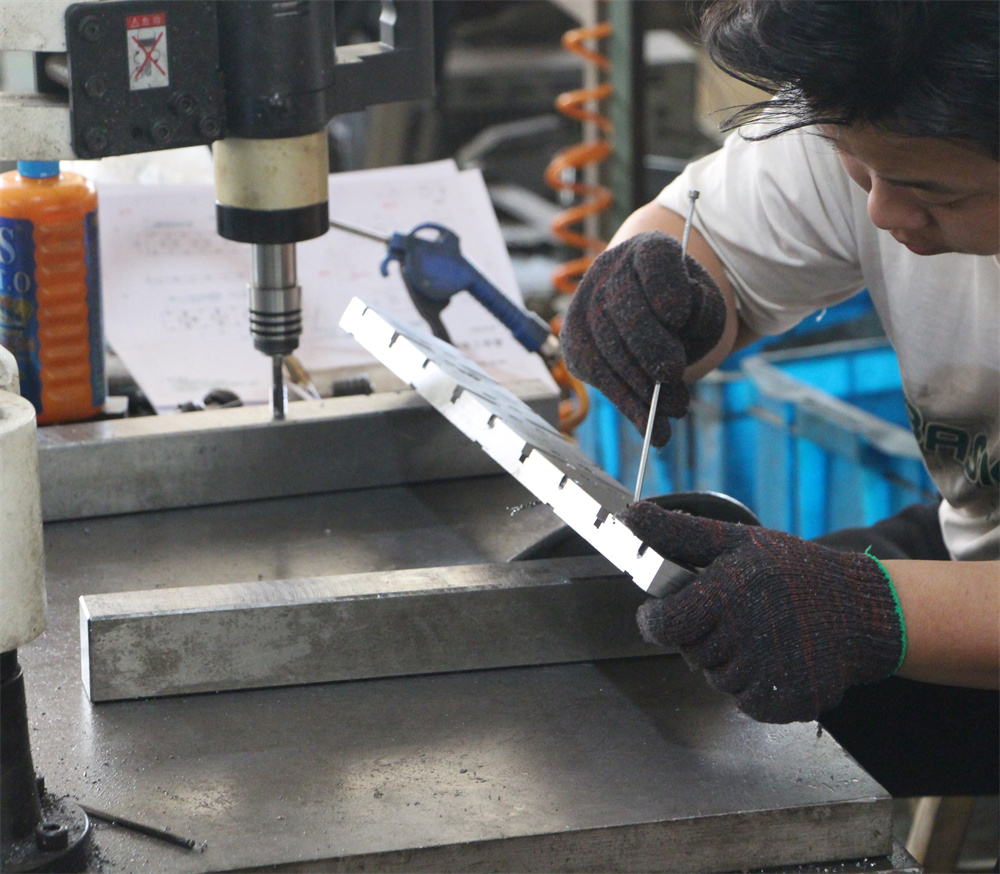
Assembly jigs, CMM fixtures, and drill templates for aerospace production lines are themselves manufactured to aerospace tolerances. Wire EDM produces hardened tool-steel fixtures with locating hole positional accuracy of ±0.002 mm — ensuring that the tools used to build aircraft are as precise as the parts they position.
Next-generation turbofan engines (LEAP, GE9X, PW1000G) use higher proportions of ceramic matrix composites (CMC) and powder-metallurgy superalloys that are virtually unmachinable by conventional cutting. Wire EDM remains one of the few viable shaping processes, driving a projected 12% annual increase in aerospace Wire EDM demand through 2028.
Modern Wire EDM machines now integrate machine-learning algorithms that continuously adapt cutting parameters — pulse energy, wire tension, flushing pressure — in real time based on acoustic emission sensors and in-process gap voltage monitoring. This AI-assisted approach reduces machining time by up to 25% while maintaining sub-micron tolerance consistency across long production runs.
AS9100 Rev D and NADCAP requirements increasingly demand a complete digital thread from raw material certification through in-process inspection to final delivery. Wire EDM providers who can supply MTC, FAIR (AS9102), CMM reports, and digital inspection data in a single traceable package are winning long-term aerospace supply agreements over those offering only dimensional inspection.
Wire EDM generates minimal waste compared to conventional milling — the only material removed is the eroded spark debris, which is captured in the dielectric fluid and recycled. As aerospace OEMs commit to Scope 3 carbon reduction targets, Wire EDM's low material waste and energy-efficient servo-drive systems make it an increasingly preferred process in sustainability-conscious supply chains.
The commercial space launch market (SpaceX, Rocket Lab, Blue Origin and their supply chains) and Urban Air Mobility (UAM) eVTOL platforms are creating entirely new categories of aerospace Wire EDM demand. These programs require small-batch, rapid-iteration production of exotic-material parts — exactly the scenario where Wire EDM's tooling-free flexibility delivers the greatest competitive advantage.
Additive manufacturing (SLM, EBM) is increasingly used to produce near-net-shape aerospace preforms, with Wire EDM applied as the final finishing operation to achieve the tight tolerances and surface finish that additive alone cannot deliver. This hybrid workflow reduces raw material consumption by up to 60% versus conventional billet machining while maintaining full dimensional compliance.
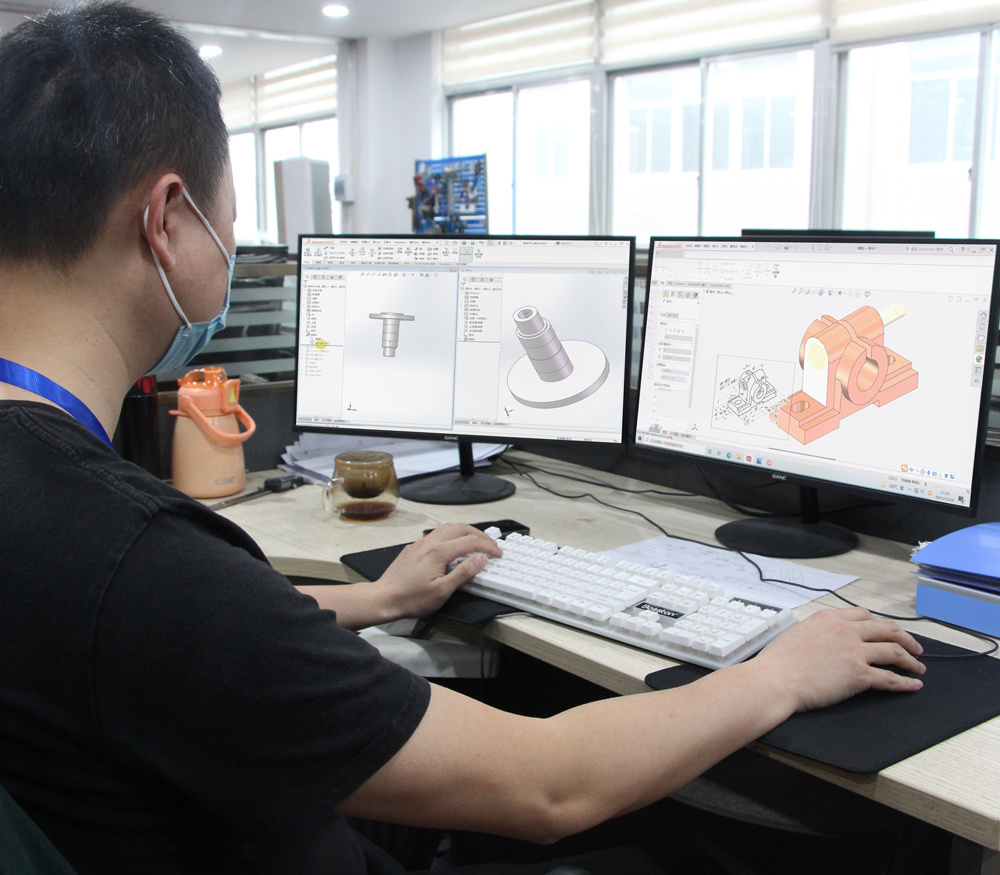
Our engineers review customer CAD files, identify Wire EDM-specific design-for-manufacturability improvements, and confirm tolerance achievability before quoting.
All aerospace-grade raw materials (titanium, Inconel, stainless, tool steel) are sourced with full MTCs and verified by in-house spectrometric analysis before cutting begins.
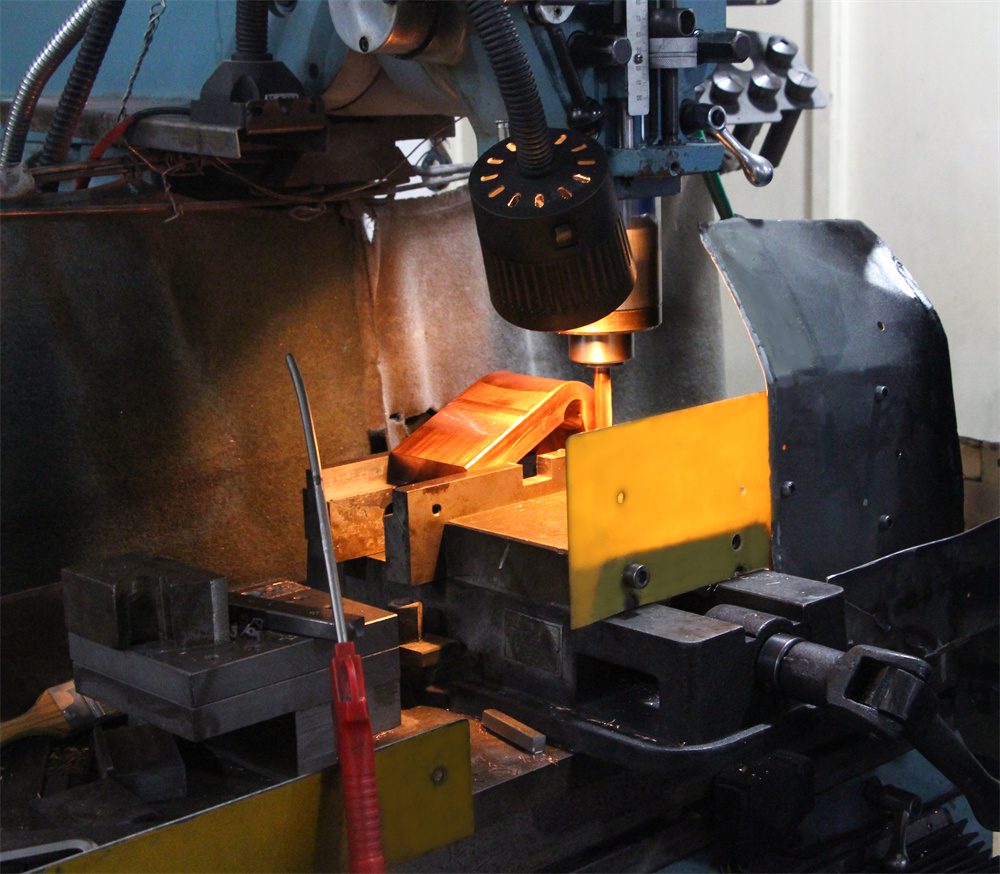
CNC Wire EDM machines execute programmed toolpaths with AI-assisted parameter optimization, in-process gap monitoring, and automatic wire threading for unmanned overnight production.
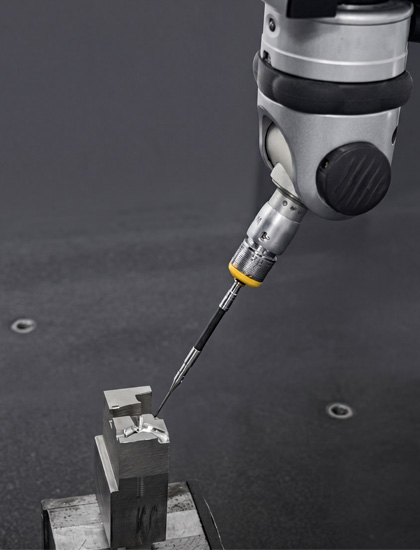
Every aerospace part is measured on a coordinate measuring machine (CMM). First Article Inspection Reports (FAIR) per AS9102 are prepared and delivered with each new part number.
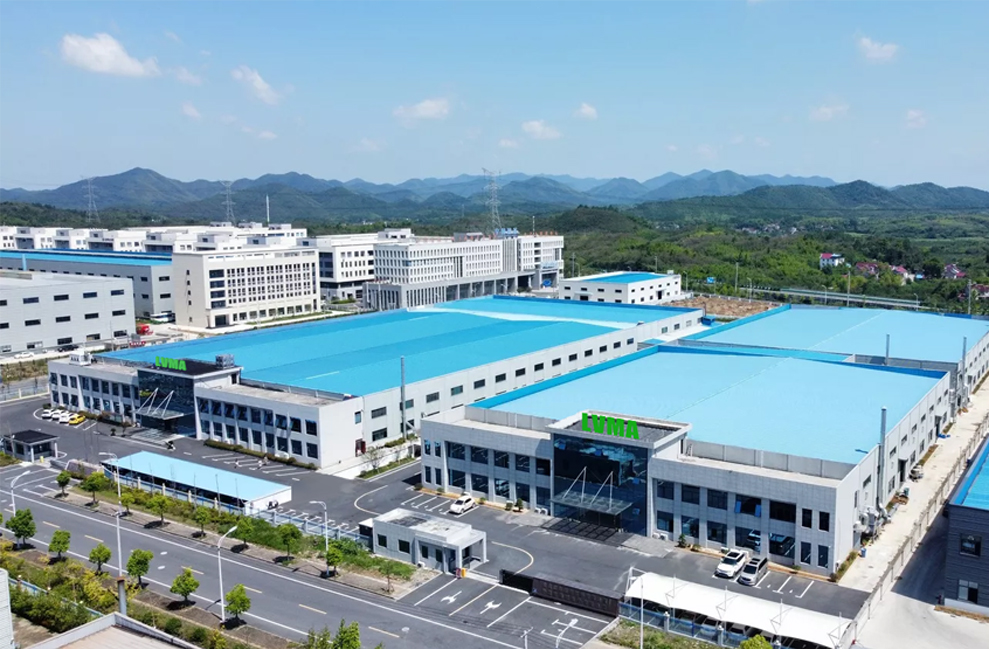
LVMA CNC was established in 2018 as an integrated division focused on parts machining and export services. Our own factory, founded in 2004, contributes more than 20 years of experience in precision manufacturing.
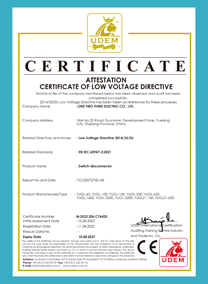
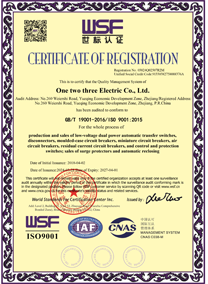
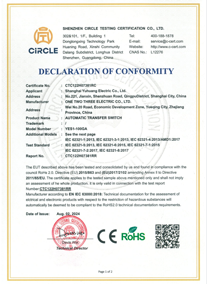
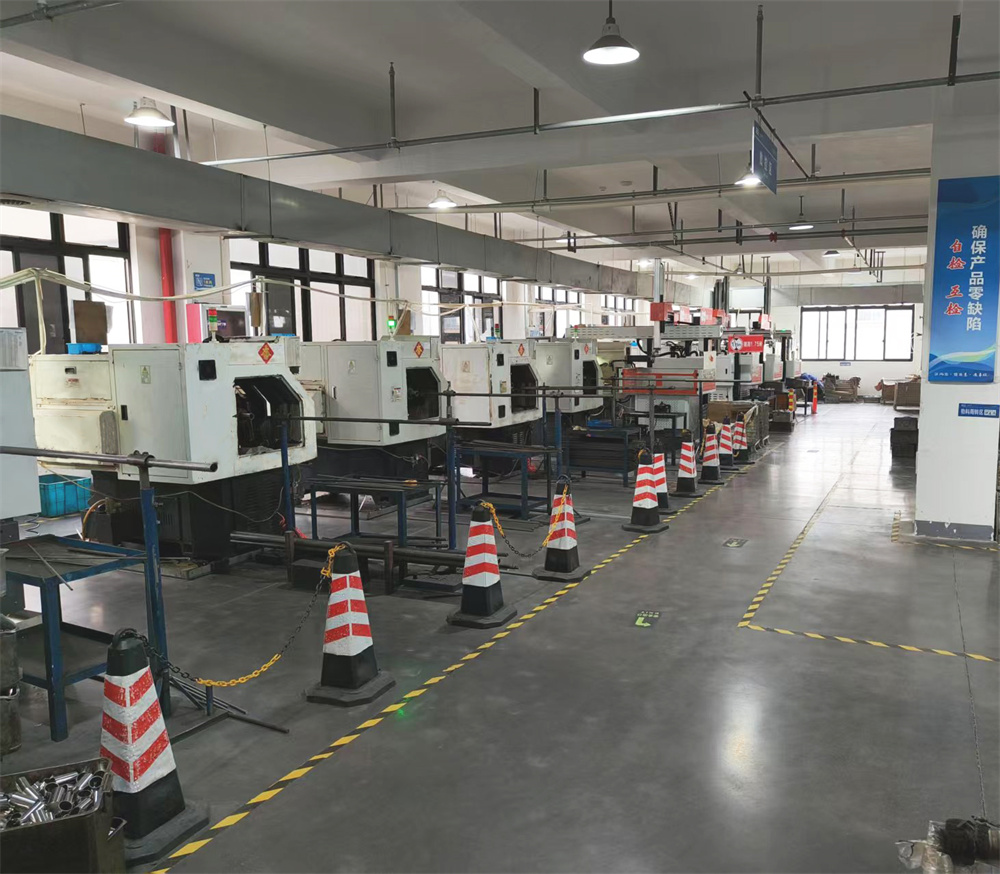
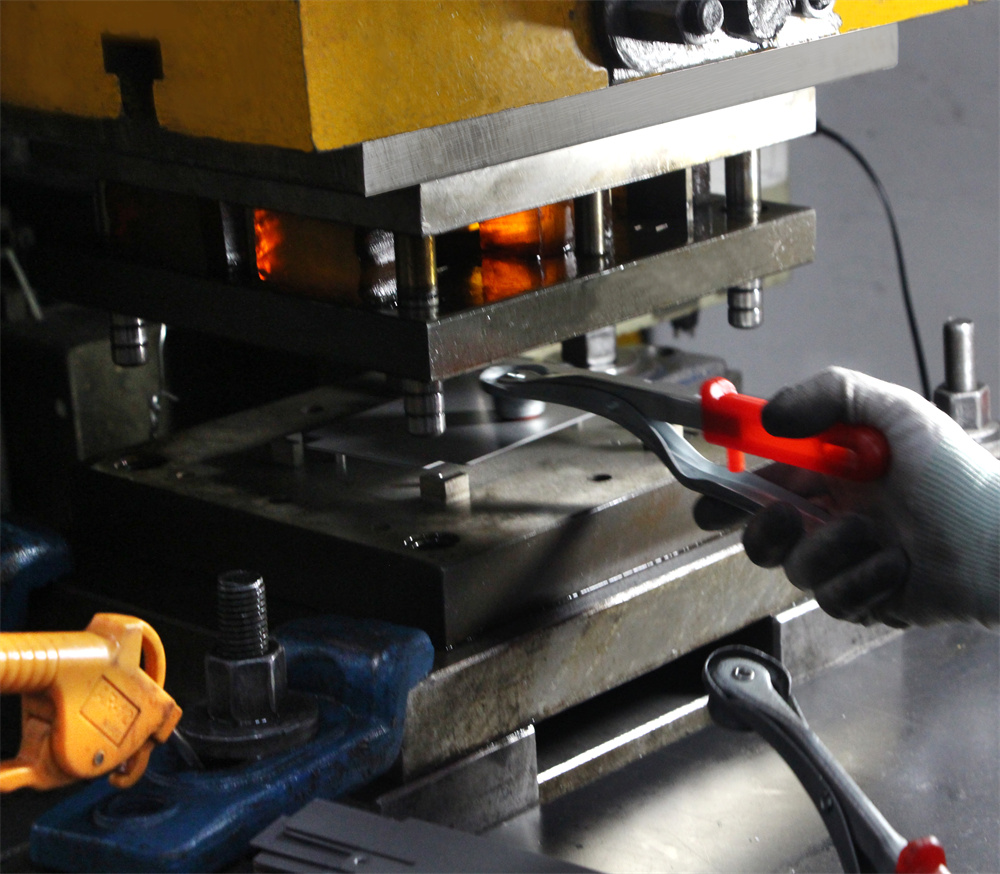
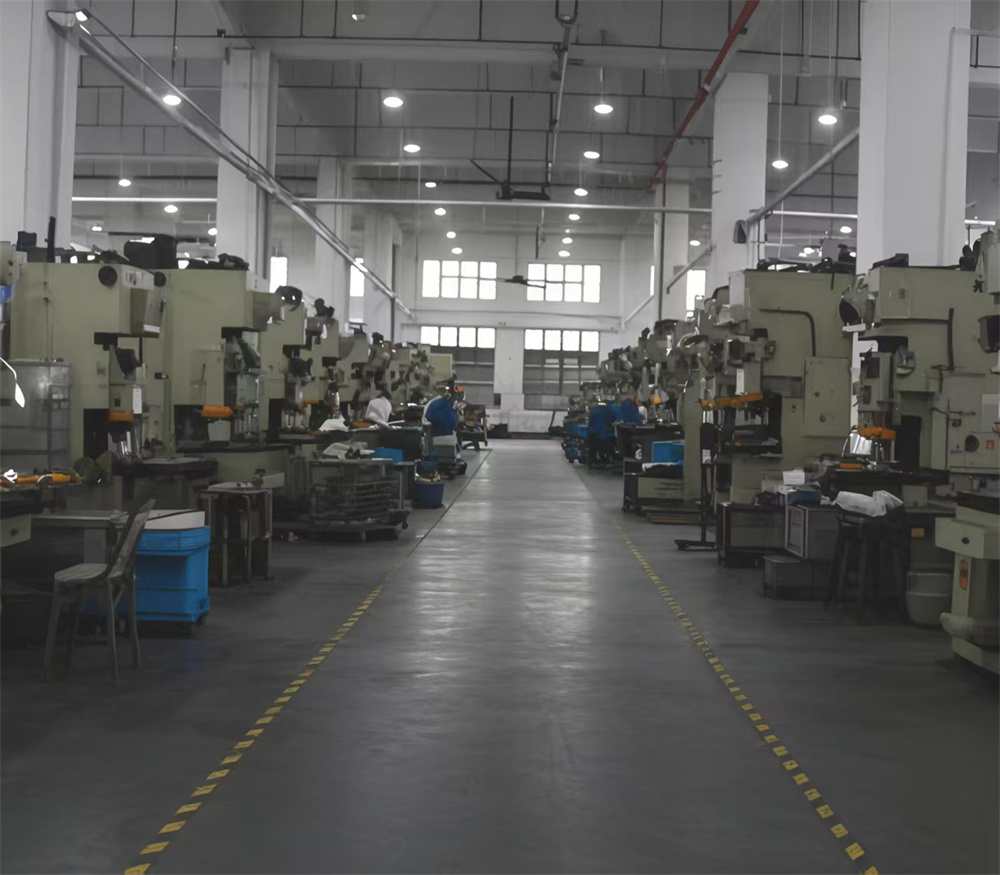
LVMA CNC combines export operations with in-house production capabilities. Our manufacturing capacity covers CNC machining, injection molding, die casting, and stamping, supported by a wide range of established industrial processes. Our operations are governed by a structured quality management system and are ISO 9001 certified.
We process over 100 materials, including copper, steel, aluminum, zinc, and engineering plastics, and supply components for applications in automotive engineering, electrical systems, and furniture hardware.


LVMA maintains a dedicated testing center staffed by a professional inspection team. Every Wire EDM aerospace component is inspected against production process standards before shipment. Our 99.9% first-time pass rate reflects the rigor of our in-process quality controls — from incoming material verification through final CMM dimensional report.
LVMA specializes in non-standard parts and custom components, integrating cross-industry technical resources spanning aerospace, automotive, precision instruments, and defense hardware. This breadth of experience enables our engineers to propose design-for-manufacturability improvements that reduce cost and lead time without compromising aerospace compliance.
Our dedicated export team offers 7×24-hour service response, mature logistics management, and a 99.9% on-time delivery rate to customers in over 80 countries. We handle all export documentation, customs classification, and compliance requirements for aerospace components, including dual-use export control screening.
From initial DFM consultation and prototyping through series production, in-service support, and end-of-life recycling, LVMA provides a complete lifecycle service. Our digital operation platform enables remote process monitoring, data-driven process improvement, and continuous cost optimization — reducing total cost of ownership for long-term aerospace supply programs.


At LVMA CNC, our mission is to drive production line automation through our AI platform, enabling our clients to accelerate product iteration. By seamlessly blending cutting-edge manufacturing technologies with a collaborative network, we provide our customers with solutions characterized by precise delivery, scalable mass production, and rapid iteration capabilities — meeting the speed and quality demands of modern aerospace programs.
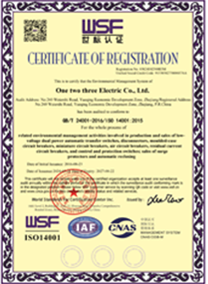
From raw material tracking to production waste recycling, we have collaborated with upstream and downstream partners to implement multiple carbon reduction plans. Our factory has obtained ISO 14001 certification and is committed to becoming a low-carbon benchmark supplier recognized by customers. Wire EDM's inherently low-waste process — eroding only the material removed as spark debris, which is recovered and recycled — aligns directly with aerospace supply chain sustainability mandates.
Click for Inquiry


High-strength titanium engine mount brackets with complex cut profiles for turbofan installation.

Inconel 718 nozzle guide vane cooling slots machined to ±0.003 mm profile tolerance.

Ultra-lightweight aluminum brackets for LEO satellite bus structures with flatness ≤0.01 mm.

300M high-strength steel lock links for main landing gear systems, certified to NADCAP standards.

Stainless steel fuel injector bodies with precision orifice profiles for aerospace combustion chambers.

Beryllium-copper EMI shields for avionics bays with slot widths down to 0.1 mm and Ra 0.2 µm finish.

Hardened tool-steel CMM inspection fixtures with locating hole accuracy of ±0.002 mm.

Lightweight titanium structural parts for Urban Air Mobility eVTOL platforms, rapid-iteration production.
Contact LVMA CNC today for a rapid quotation, DFM consultation, and sample evaluation. Our aerospace Wire EDM specialists are available 24/7 to support your program timeline — from prototype to certified series production.
Get Quote Now Contact Us