Explore our precision plastic injection molded solutions engineered for medical device enclosures, surgical equipment housings, diagnostic instrument components, and sterile device packaging.
Plastic injection molding has become the cornerstone manufacturing process for the global medical device industry. With the worldwide medical plastics market projected to exceed $35 billion by 2028, demand for precision, biocompatible, and regulatory-compliant injection molded components is accelerating at an unprecedented pace.
Medical-grade resins such as PEEK, polycarbonate, polypropylene, ABS, and medical-grade silicone are processed under strict cleanroom conditions to ensure full ISO 10993 biocompatibility compliance for patient-contact applications.
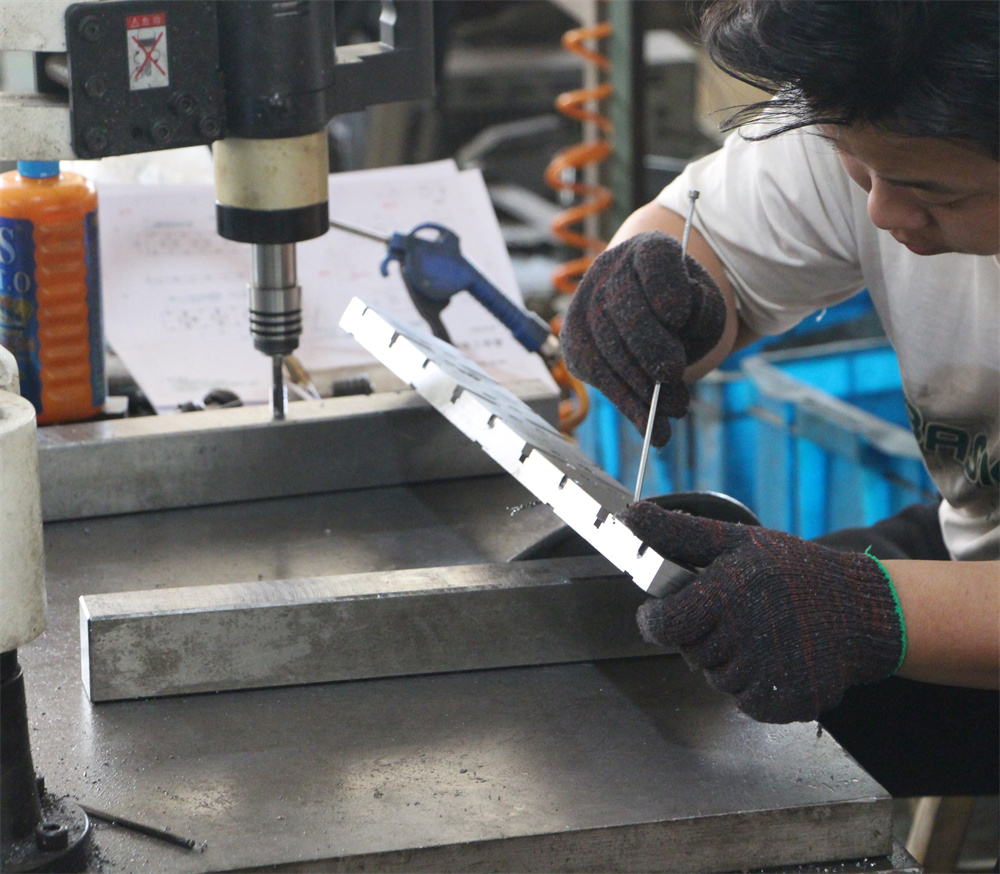
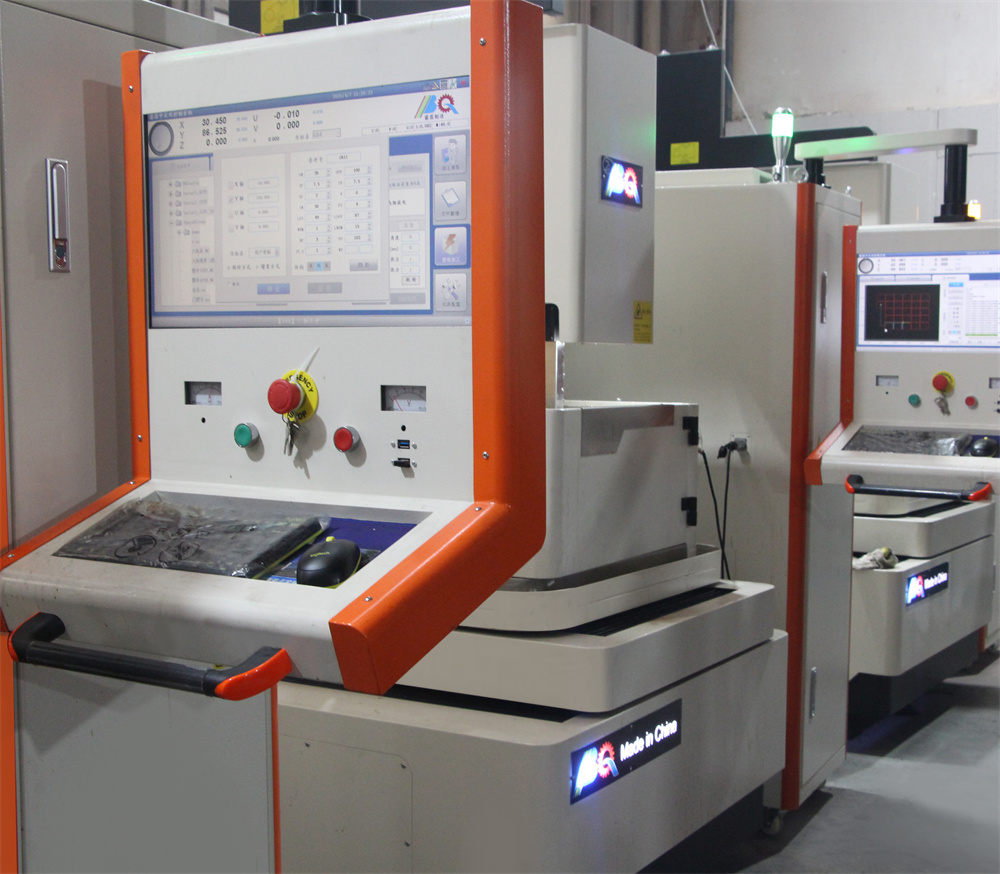
Medical device components demand tolerances as tight as ยฑ0.005 mm. Our advanced CNC mold machining centers and multi-cavity tooling enable consistent part-to-part repeatability across millions of production cycles.
From FDA 21 CFR Part 820 to EU MDR 2017/745, our quality management system is designed to support full regulatory traceability, material certification, and device history records for Class I, II, and III medical devices.
Injection molding operations in ISO Class 7 and ISO Class 8 cleanroom environments eliminate particulate contamination risks for implantable and sterile-contact components, meeting the most stringent medical manufacturing standards.
From prototype validation to multi-million-unit annual production, our flexible manufacturing capacity supports the full product lifecycle โ from design-for-manufacturability (DFM) review through mass production ramp-up.
Every batch is supported by material test certificates (MTC), first article inspection reports (FAIR), dimensional reports, and process validation records โ providing complete traceability from raw resin to finished component.
Plastic injection molding accounts for over 40% of all medical device component manufacturing globally. Its unparalleled combination of geometric complexity, material versatility, cost efficiency at scale, and compatibility with sterilization processes (EtO, gamma irradiation, autoclave) makes it the preferred technology for everything from single-use syringes and IV connectors to complex surgical robot housings and diagnostic imaging enclosures. As medical technology evolves toward miniaturization, connectivity, and personalization, injection molding continues to adapt โ enabling micro-molded drug delivery mechanisms, over-molded wearable sensor housings, and bioresorbable implant components that were unimaginable a decade ago.
The medical device sector is driving rapid innovation in injection molding technology, materials science, and manufacturing intelligence. Here are the critical trends shaping the industry through 2030.
Machine learning algorithms now monitor injection pressure, melt temperature, and cooling curves in real time, reducing scrap rates by up to 30% and enabling predictive maintenance of molds with millions of cycles. AI-powered DFM analysis accelerates the design-to-production timeline for new medical devices from months to weeks.
Next-generation medical implants utilize polylactic acid (PLA), polyglycolic acid (PGA), and PLGA copolymers that can be injection molded into orthopedic screws, drug-eluting stents, and tissue scaffolds that safely dissolve within the body โ eliminating the need for secondary removal surgeries.
The global trend toward minimally invasive surgery (MIS) demands components measured in microns. Micro-injection molding now produces catheter tips, endoscope components, and drug delivery micro-valves with wall thicknesses below 0.1 mm and weights under 0.1 grams โ pushing the boundaries of polymer processing science.
Regulatory pressure and ESG commitments are accelerating the adoption of recyclable medical-grade polymers, bio-based plastics, and closed-loop recycling programs for single-use device components. Manufacturers are investing in solvent-free adhesives, reduced-packaging designs, and energy-efficient molding processes to meet carbon neutrality targets.
The convergence of IoT and medical devices demands injection molded housings that integrate RFID antennas, wireless charging coils, and sensor arrays through insert molding and over-molding processes โ enabling connected glucose monitors, smart inhalers, and remote patient monitoring wearables.
Post-pandemic supply chain disruptions have accelerated the trend toward regionalized medical device manufacturing. Leading OEMs are diversifying their injection molding supply chains across Asia, Europe, and North America โ prioritizing suppliers with proven quality systems, rapid tooling capabilities, and digital supply chain transparency.
Plastic injection molding serves virtually every segment of the medical device ecosystem. Below we examine the most technically demanding and commercially significant application areas.
Syringes, IV sets, blood collection tubes, surgical drapes, and specimen containers represent the highest-volume segment of medical injection molding. Ultra-high-speed multi-cavity tooling (up to 128 cavities) enables production rates exceeding 100,000 units per hour with sub-micron dimensional consistency critical for luer-lock connections and needle hubs.
PEEK and UHMWPE injection molded components are increasingly used in dental implant abutments, spinal cage inserts, and knee replacement trial components. Precise mold temperature control and validated material certifications ensure compliance with ASTM F2026 and ISO 10993-1 biocompatibility standards.
Microfluidic chips, PCR tube arrays, pipette tips, centrifuge rotors, and assay plate assemblies require optically clear, chemically resistant polymers such as COC (cyclic olefin copolymer) and COP, processed with exceptional surface finish control to prevent interference with optical detection systems.
Catheter hubs, balloon inflation devices, hemostatic valves, and pacemaker housings demand injection molded components with zero-defect surface quality, controlled durometer hardness, and resistance to gamma sterilization-induced degradation โ often combining rigid and flexible materials through two-shot molding processes.
Intraocular lens (IOL) injectors, contact lens packaging, and ophthalmic surgical instrument handles require optically transparent, biocompatible polymers with exceptional dimensional stability. Micro-injection molding achieves the sub-micron surface roughness (Ra < 0.02 ยตm) required for optical clarity.
Continuous glucose monitors, ECG patch housings, smart hearing aids, and remote patient monitoring wearables require injection molded enclosures that combine IP67 waterproofing, skin-safe materials (ISO 10993-10 sensitization tested), and precision snap-fit assemblies for battery and PCB integration without adhesives.
LVMA CNC was established in 2018 as an integrated division focused on parts machining and export services. Our own factory, founded in 2004, contributes more than 20 years of experience in precision manufacturing.
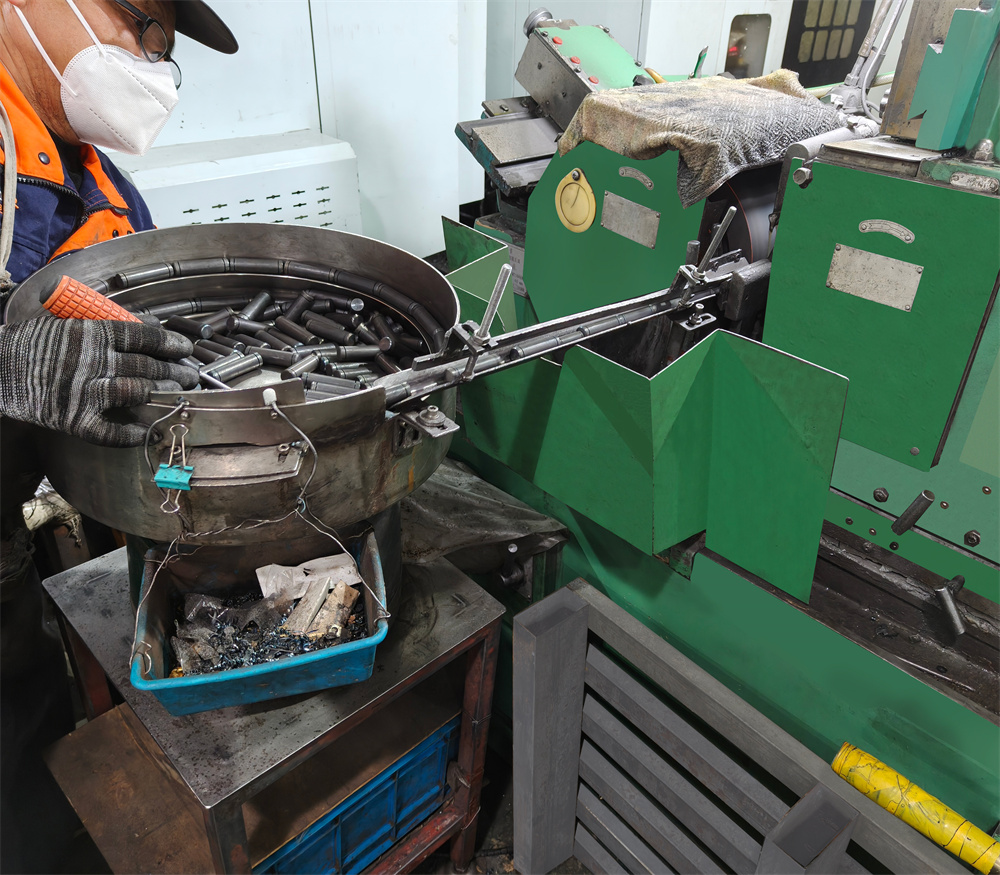
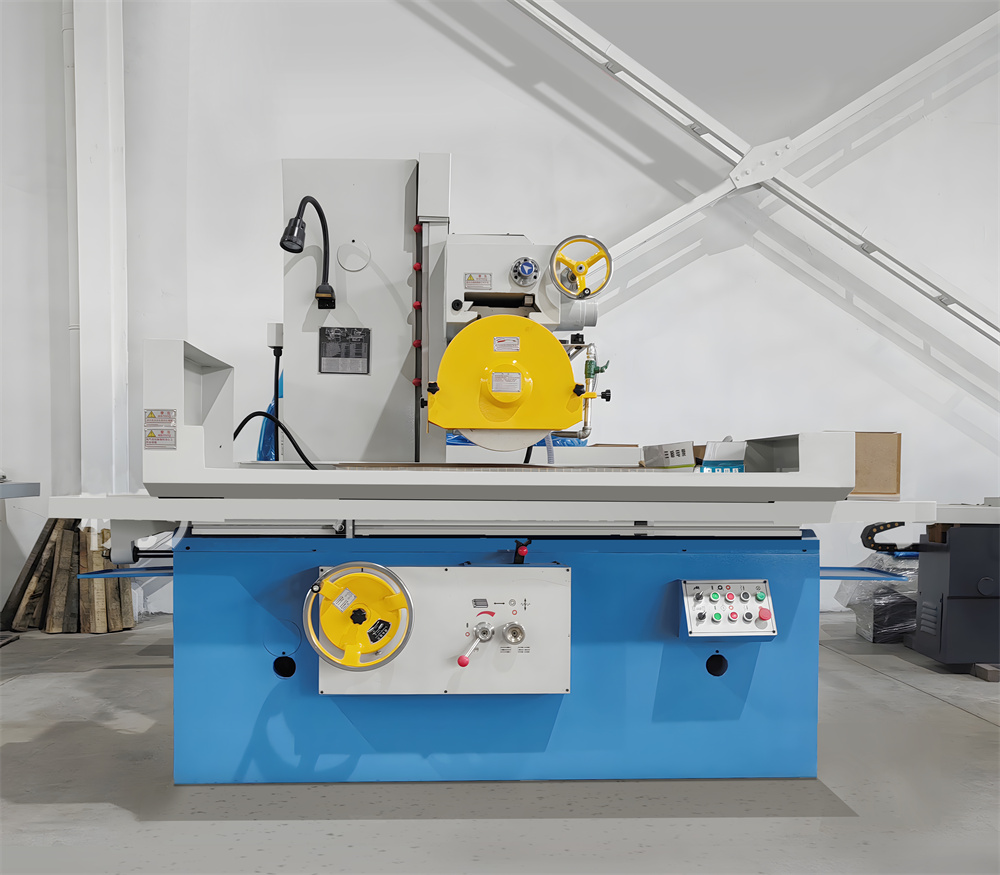
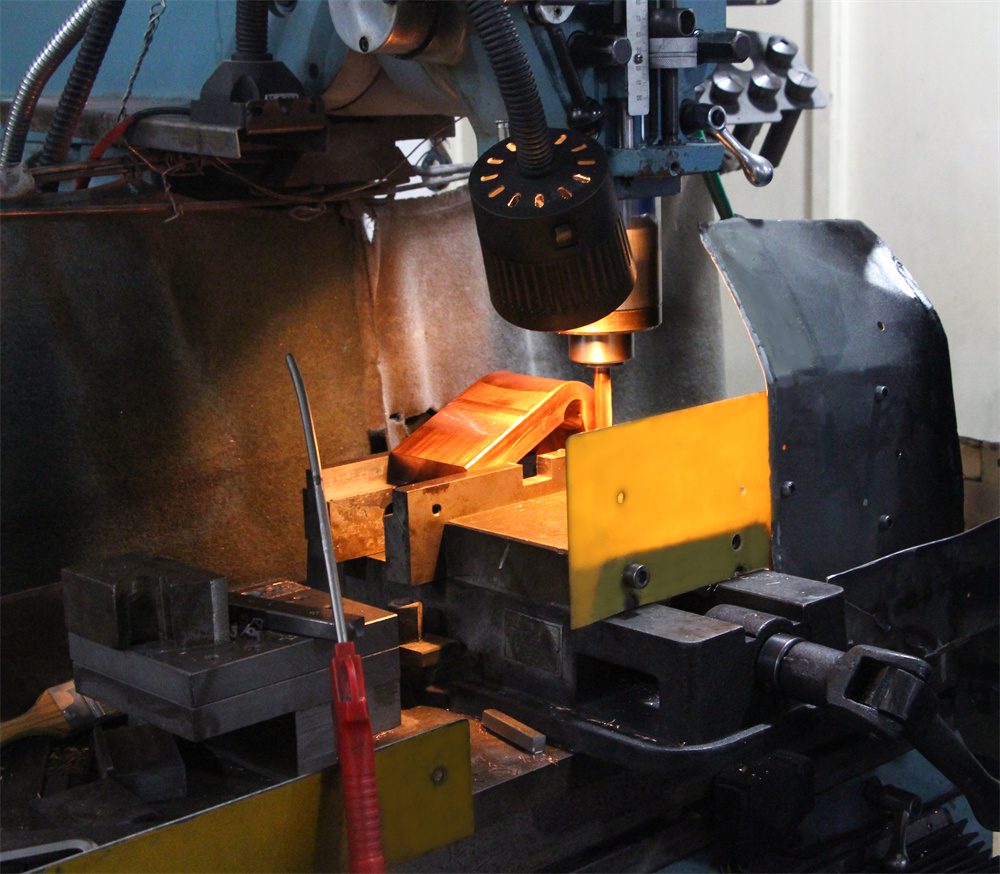
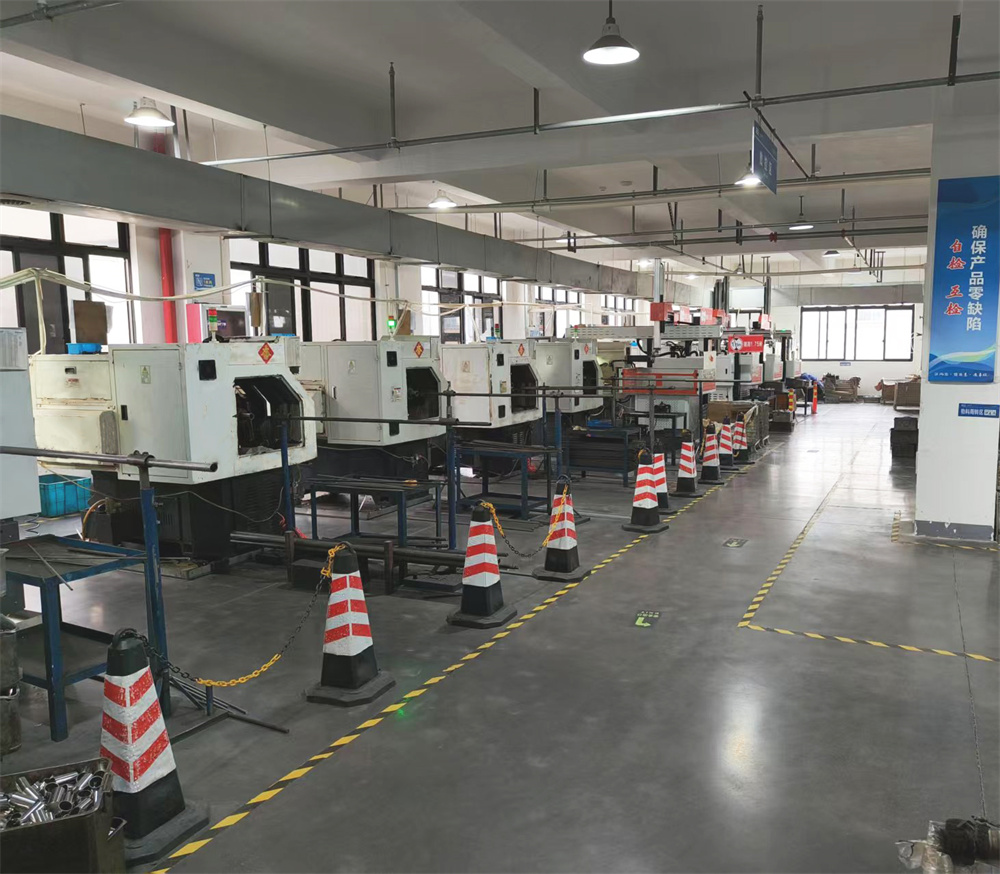
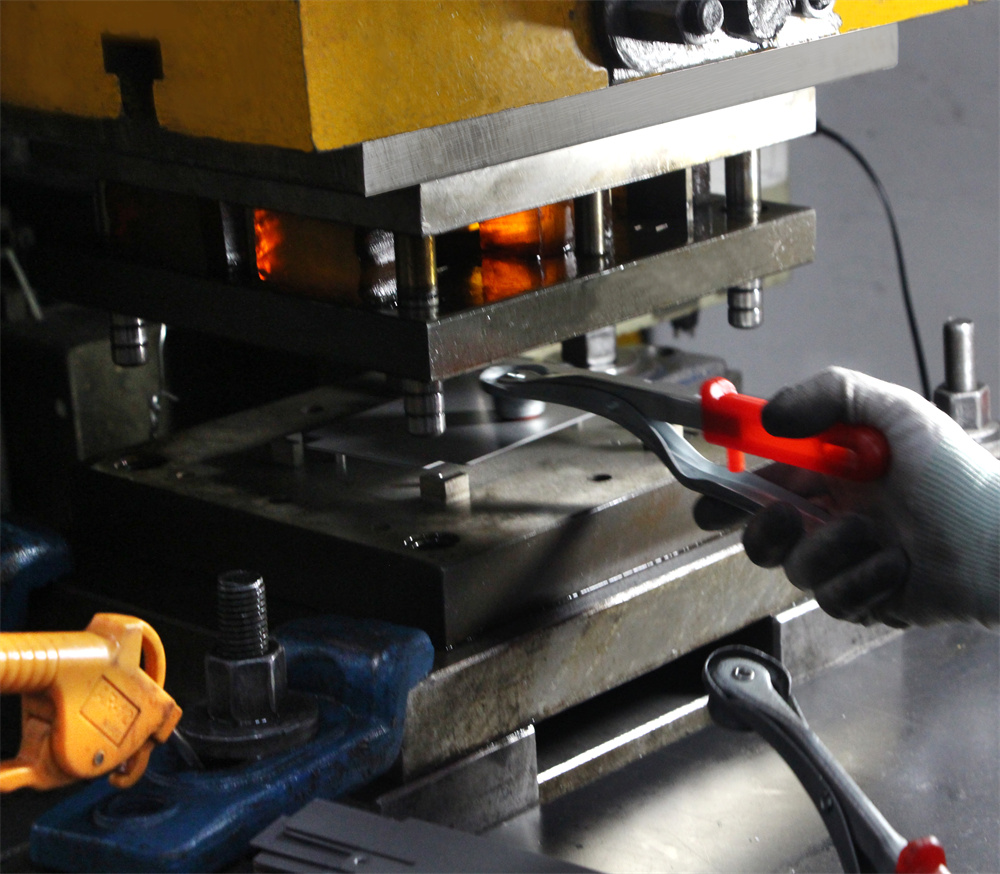
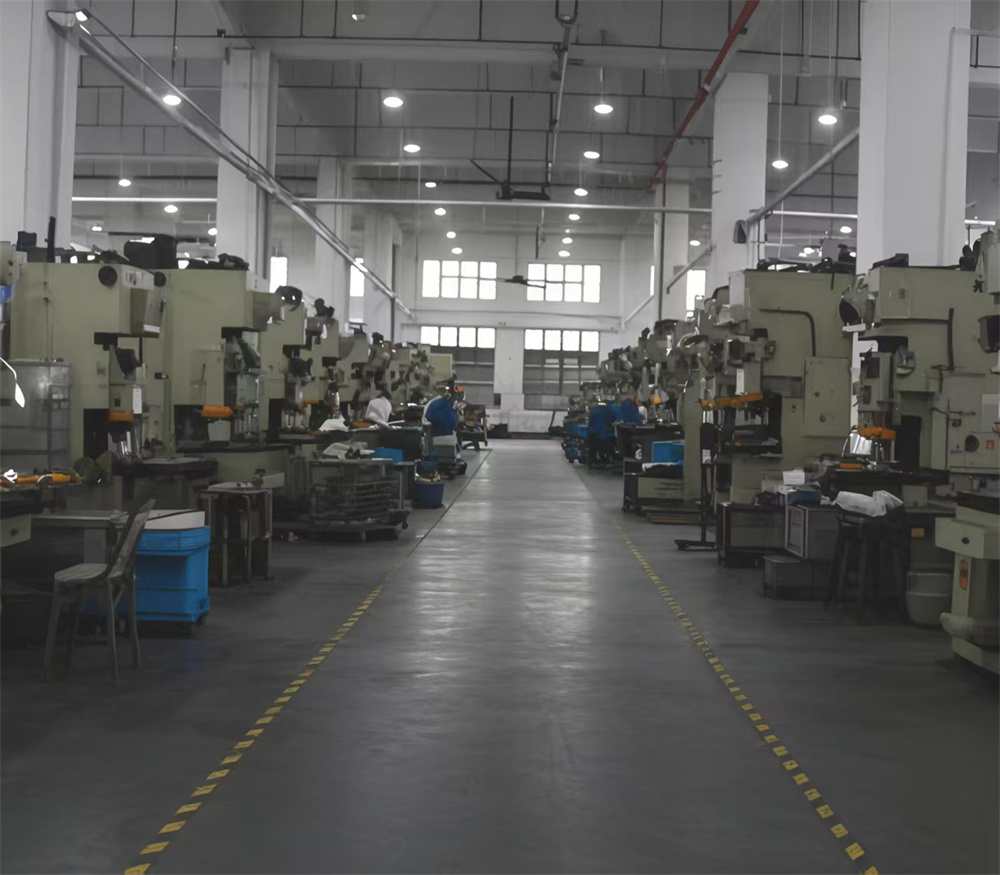
LVMA CNC combines export operations with in-house production capabilities. Our manufacturing capacity covers CNC machining, injection molding, die casting, and stamping, supported by a wide range of established industrial processes. Our operations are governed by a structured quality management system and are ISO 9001 certified.
We process over 100 materials, including copper, steel, aluminum, zinc, and engineering plastics, and supply components for applications in automotive engineering, electrical systems, and furniture hardware.


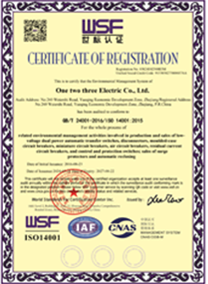
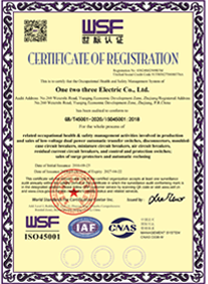
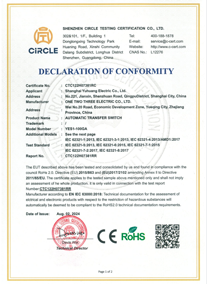
Backed by ISO 9001, ISO 14001, and ISO 45001 certifications, LVMA CNC guarantees uncompromising quality by providing comprehensive SGS testing, detailed dimensional inspection reports, Material Test Certificates (MTC), and industry-specific CE compliance.


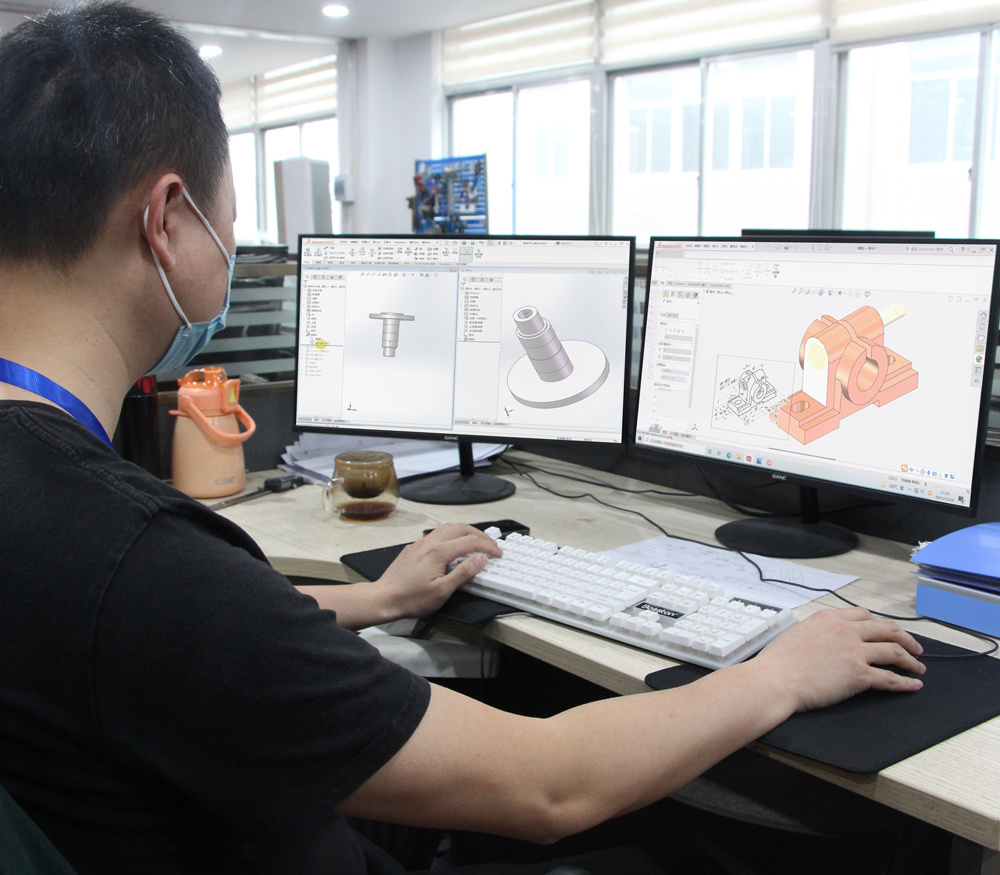
At LVMA CNC, our mission is to drive production line automation through our AI platform, enabling our clients to accelerate product iteration. By seamlessly blending cutting-edge manufacturing technologies with a collaborative network, we provide our customers with solutions characterized by precise delivery, scalable mass production, and rapid iteration capabilities โ critical requirements for medical device OEMs navigating fast-evolving regulatory and market landscapes.
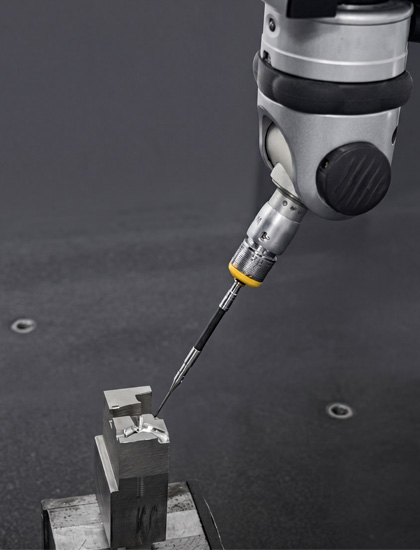
LVMA CNC offers standardized component inspection as well as tailored inspection solutions designed to meet the most demanding medical device quality requirements.
LVMA has a dedicated testing center and professional quality team. All products are inspected per production process standards before dispatch, ensuring customers receive components that meet exact medical device specifications.
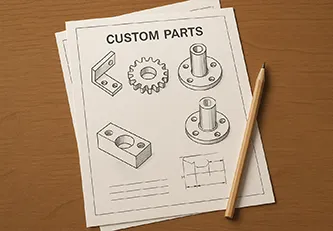
LVMA focuses on non-standard and customized component development, integrating cross-industry technical resources to meet design requirements for medical instruments, precision diagnostics, automotive parts, and hardware applications.
Our experienced business team offers 7ร24-hour service response with mature delivery systems. Logistics on-time delivery rate reaches 99.9%, supporting medical device manufacturers across 80+ countries with reliable supply chain performance.
Through our digital operation platform, we provide remote diagnosis services, data-driven process improvement, and continuous optimization โ reducing production costs throughout the entire medical device product lifecycle.
From raw material tracking to production waste recycling, we have collaborated with upstream and downstream partners to implement multiple carbon reduction plans. Our factory has obtained ISO 14001 certification and is committed to becoming a low-carbon benchmark supplier recognized by customers. In the medical device sector, sustainable manufacturing is not just an environmental responsibility โ it is increasingly a procurement requirement from leading healthcare OEMs and hospital systems worldwide.
Click for InquiryTake a virtual tour of our state-of-the-art manufacturing facility โ where precision injection molding for medical devices comes to life.


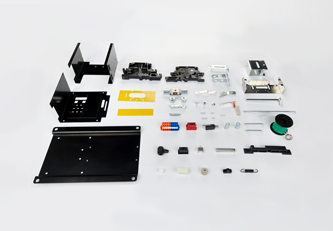
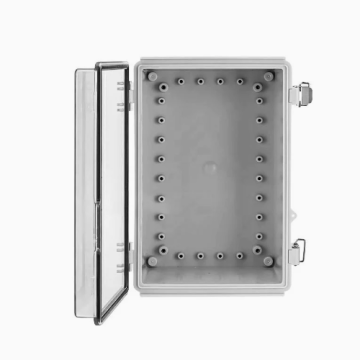
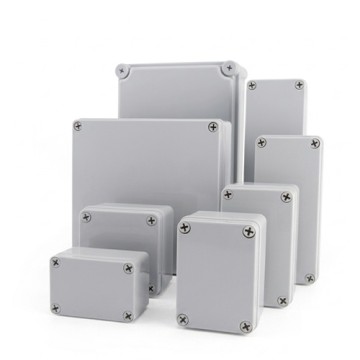
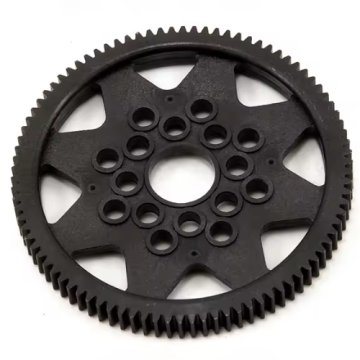
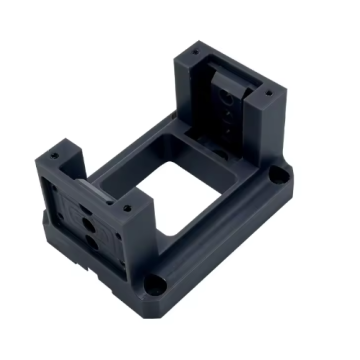
Explore our complete range of precision plastic injection molded components for medical device enclosures, waterproof housings, precision gears, and structural brackets โ all manufactured to exacting medical industry standards.