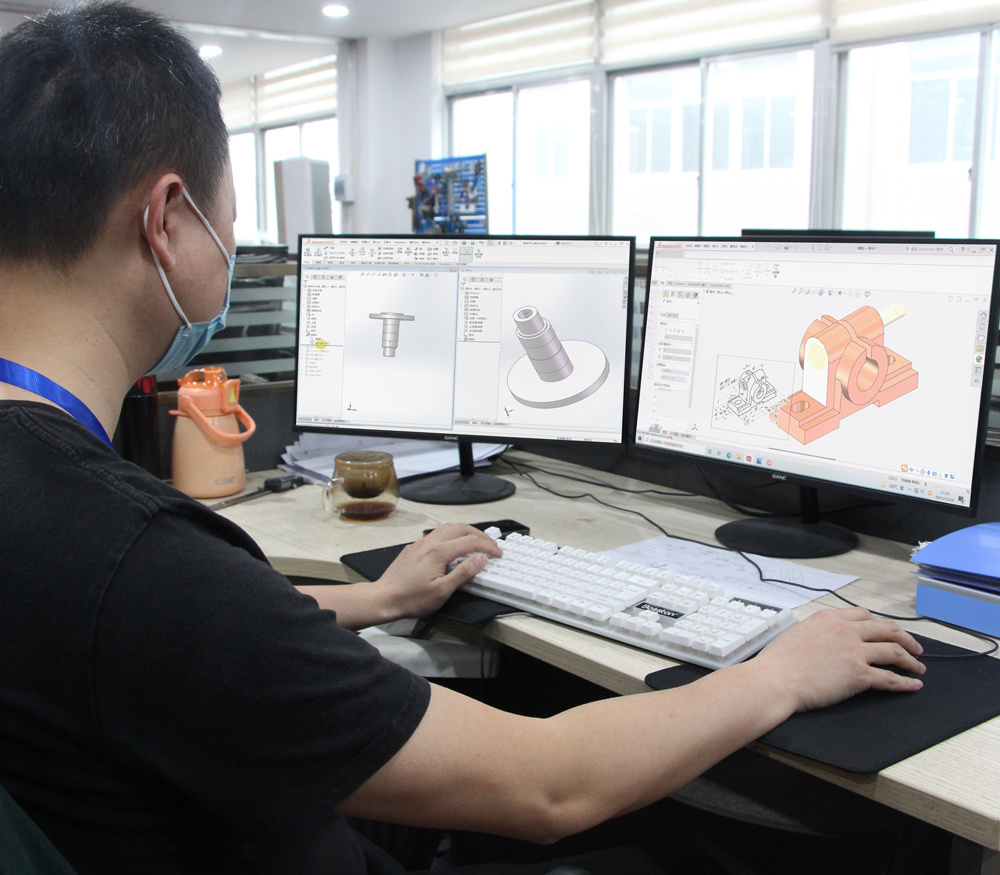
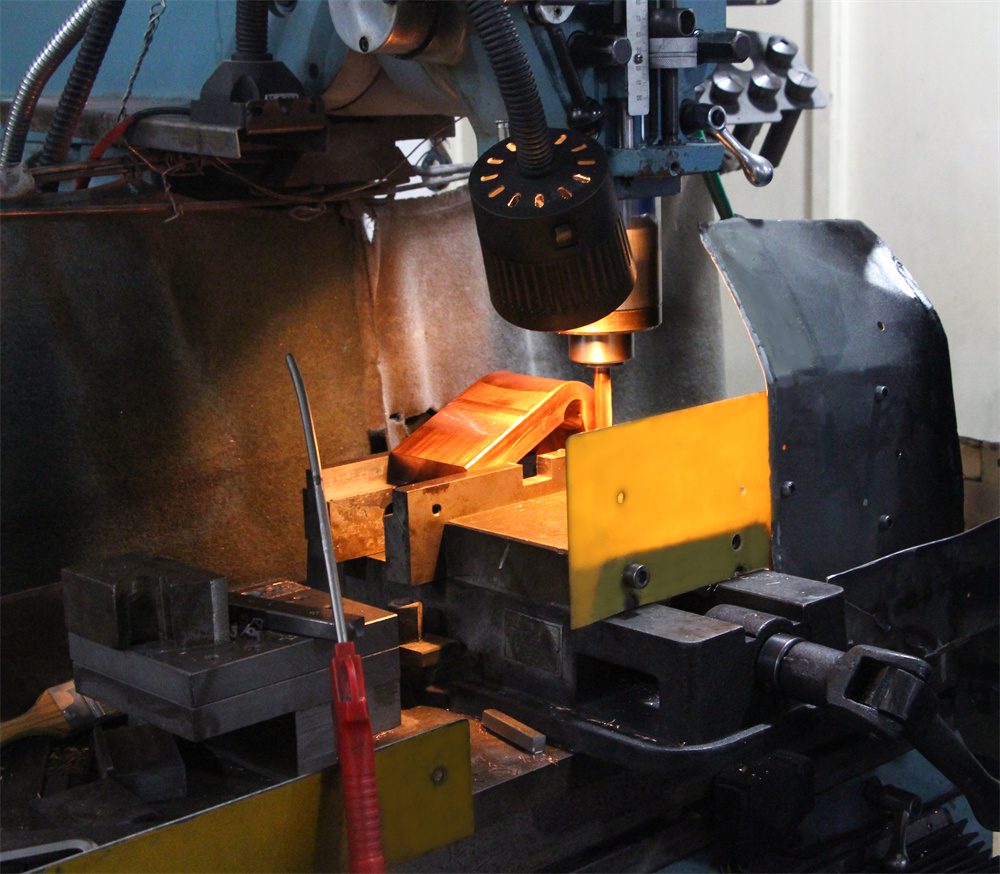
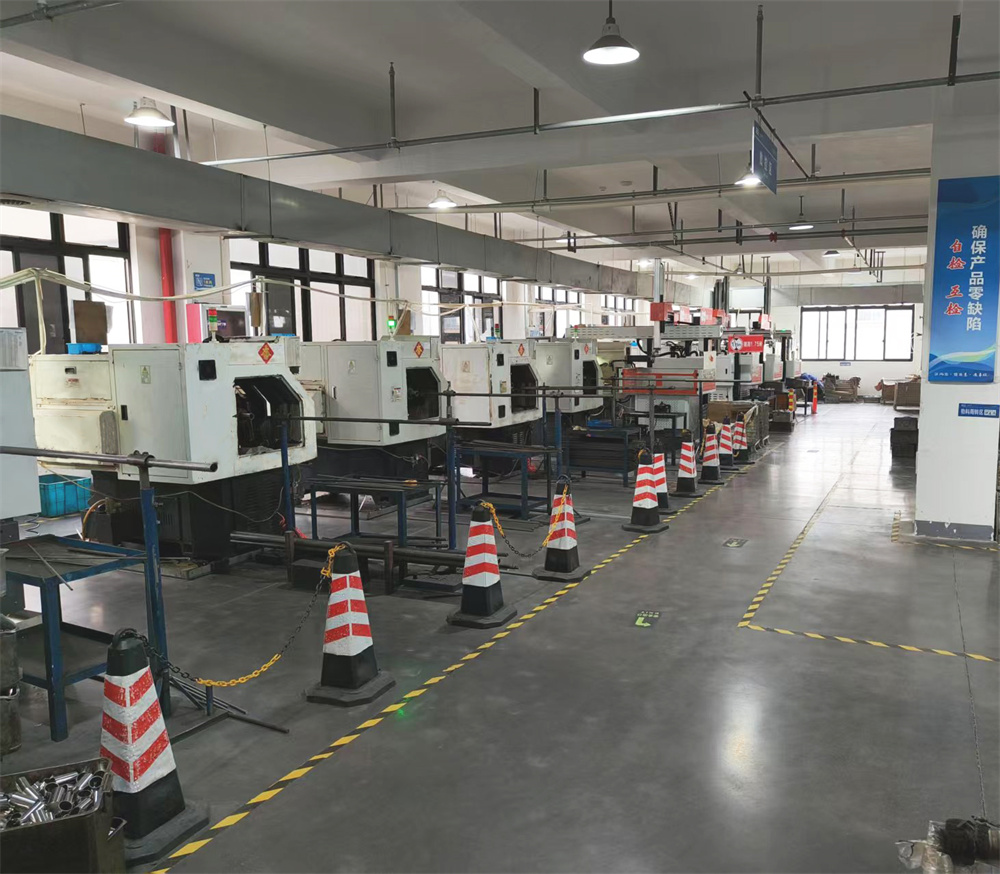
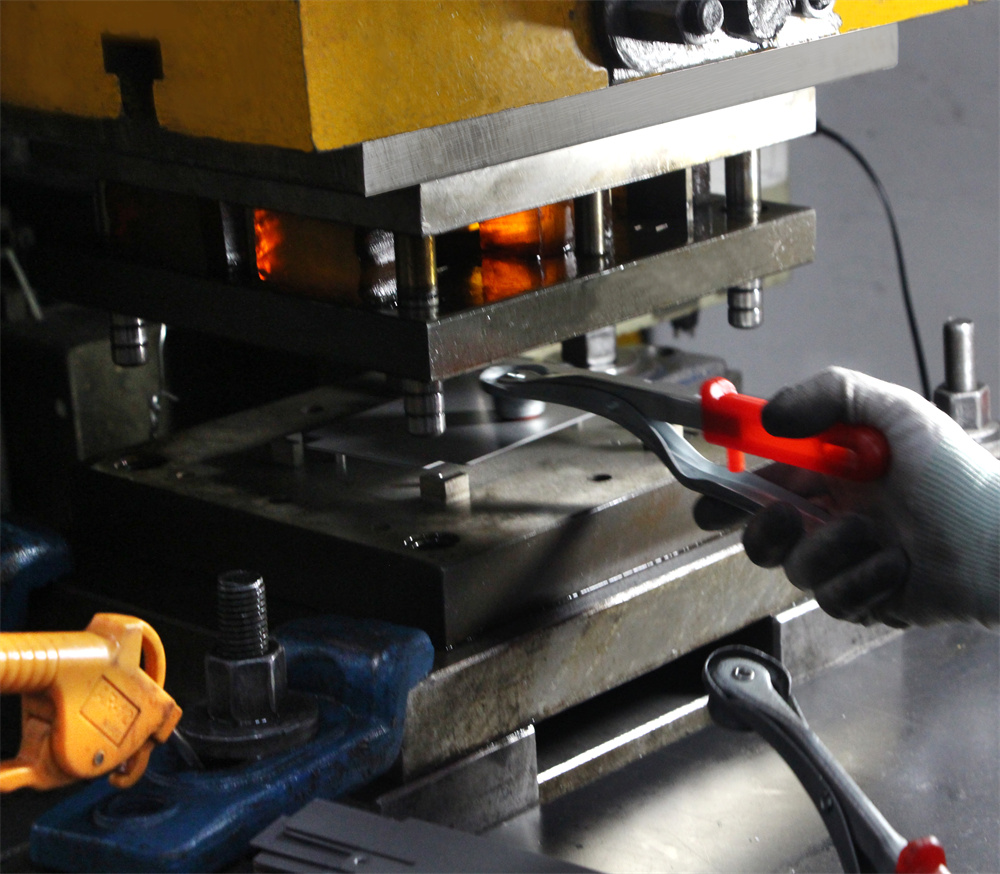
Need Precision Parts? Get Your Free Quote Now.
Leave Your Message

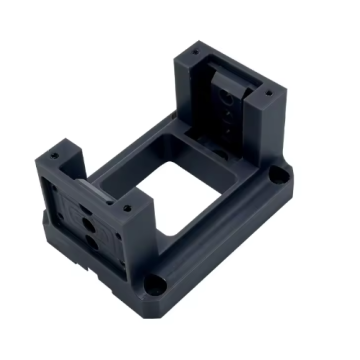
Plastic Injection Molded Components for Robotics

Explore our core injection molding solutions engineered specifically for robotics engineering applications โ€” delivering precision, durability, and design flexibility.

Why Plastic Injection Molding Is Central to Modern Robotics Engineering

A deep-dive into the industrial landscape, commercial drivers, and technical advantages shaping the adoption of injection-molded plastics in robotics.

๐Ÿค– The global robotics market is projected to exceed $260 billion by 2030, and plastic injection molding is one of the most critical enabling technologies driving this growth โ€” delivering lightweight, high-precision, cost-effective components at scale.

Market Overview: Plastic Injection Molding in the Robotics Industry

The robotics engineering sector has undergone a profound transformation over the past decade. What was once confined to heavy industrial automation โ€” welding arms, automotive assembly lines โ€” has expanded into collaborative robots (cobots), surgical robots, warehouse autonomous mobile robots (AMRs), agricultural robots, and consumer-grade service robots. Across all these categories, plastic injection molding plays an indispensable role.

According to industry research, the global plastic injection molding market was valued at approximately $385 billion in 2023 and is expected to grow at a CAGR of over 5.2% through 2030. The robotics segment is one of the fastest-growing end-use verticals, driven by the increasing demand for lightweight structural components, complex geometries that are impossible to achieve with metal machining alone, and the need for high-volume, repeatable production at competitive cost.

Key commercial factors driving this trend include:

  • Rising labor costs in developed economies accelerating automation adoption
  • Miniaturization of robotic platforms requiring micro-precision plastic components
  • The shift from metal to engineering plastics for weight reduction in mobile and aerial robots
  • Demand for IP-rated enclosures and housings in industrial and outdoor robotic deployments
  • Rapid prototyping requirements in the cobot and startup robotics ecosystem

Engineering Plastics Transforming Robot Design

Modern robotics engineers have access to a broad portfolio of engineering plastics that offer mechanical performance approaching or exceeding certain metals, at a fraction of the weight. Materials such as POM (Polyoxymethylene), PA66 (Nylon), PEEK (Polyether Ether Ketone), PC (Polycarbonate), and ABS-GF (glass-fiber reinforced ABS) are now standard in robotic component design.

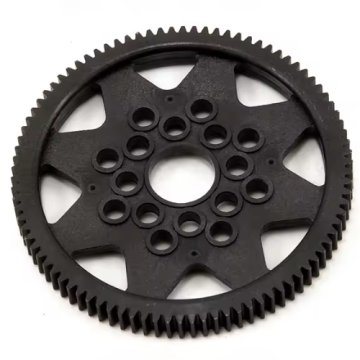
POM, for instance, is widely used for precision gears in robot joint actuators due to its excellent dimensional stability, low friction coefficient, and fatigue resistance. PEEK components are deployed in high-temperature robotic environments such as welding end-effectors and food-processing robots that require steam sterilization. Polycarbonate is favored for sensor housings and transparent covers where optical clarity and impact resistance are both required.

The ability to over-mold, insert-mold, and create multi-material assemblies through injection molding further expands design freedom โ€” enabling robotics engineers to integrate metal inserts, electrical contacts, and soft-touch grip surfaces within a single manufacturing step.

Industry Trends Shaping Injection Molding for Robotics

Several macro trends are reshaping how plastic injection molding suppliers serve the robotics engineering market:

1. Miniaturization & Micro-Molding

As robots shrink in size โ€” from surgical micro-robots to nano-drones โ€” the demand for micro-molded plastic components with tolerances under ยฑ0.01mm is accelerating. Advanced injection molding machines equipped with servo-electric drives and closed-loop process control now enable the production of parts weighing as little as 0.1 grams with consistent quality.

2. Lightweighting for Mobile & Aerial Robots

Every gram matters in mobile robotics. Replacing aluminum housings and brackets with fiber-reinforced plastic equivalents can reduce component weight by 40โ€“60% while maintaining structural integrity. This directly translates to longer battery life, higher payload capacity, and more agile movement โ€” critical parameters for AMRs and drone delivery systems.

3. Integration of Smart Manufacturing & AI Quality Control

Leading injection molding facilities are deploying AI-powered vision inspection systems that can detect surface defects, dimensional deviations, and material inconsistencies in real time on the production line. This zero-defect manufacturing approach aligns perfectly with the quality demands of robotics OEMs, where a single faulty gear or bracket can cause system failure in safety-critical applications.

4. Sustainable & Recyclable Materials

The robotics industry, like all advanced manufacturing sectors, faces increasing pressure to reduce its environmental footprint. Injection molding suppliers are responding with bio-based polymers, post-consumer recycled (PCR) engineering plastics, and closed-loop material recovery programs. ISO 14001-certified facilities are increasingly preferred by global robotics OEMs as part of their supply chain sustainability commitments.

5. On-Demand & Low-Volume Production

The rapid iteration cycles of robotics development โ€” especially in the cobot and service robot segments โ€” demand flexible manufacturing partners capable of transitioning seamlessly from prototype (10โ€“100 pcs) to pilot production (1,000โ€“10,000 pcs) to full-scale manufacturing. Injection molding suppliers with in-house tooling capabilities and rapid mold fabrication (7โ€“14 day lead times) are gaining significant competitive advantage in serving this market.

Key Trends in Robotics Injection Molding

Six macro forces reshaping how plastic injection molding serves the global robotics engineering industry.

โš™๏ธ

Micro-Precision Molding

Tolerances as tight as ยฑ0.01mm enable the production of micro gears, sensor housings, and miniature actuator components for surgical and nano-robotic applications.

๐Ÿชถ

Lightweighting with Engineering Plastics

Fiber-reinforced polymers replace aluminum in mobile and aerial robots, reducing component weight by up to 60% while maintaining structural performance and dimensional stability.

๐Ÿง 

AI-Powered Quality Inspection

Real-time vision systems and machine learning algorithms detect defects at the micron level, ensuring zero-defect production for safety-critical robotic components.

๐ŸŒฟ

Sustainable Material Innovation

Bio-based and PCR engineering plastics, combined with ISO 14001-certified manufacturing, meet the growing ESG requirements of global robotics OEM supply chains.

๐Ÿ”„

Rapid Tooling & On-Demand Production

7โ€“14 day mold fabrication and seamless scaling from prototype to mass production support the fast iteration cycles of cobot and service robot development teams.

๐Ÿ”—

Insert & Over-Molding Integration

Multi-material molding integrates metal inserts, electrical contacts, and soft-grip surfaces in a single step โ€” reducing assembly steps and improving robotic system reliability.

Deep-Dive: Application Scenarios in Robotics Engineering

From industrial automation to medical robotics โ€” how precision injection-molded plastic components are deployed across the robotics value chain.

๐Ÿญ

Industrial Robot Arms & Collaborative Robots (Cobots)

Plastic gears, housings, cable management clips, and end-effector brackets manufactured via injection molding reduce the overall weight of robot arms, improving speed and payload efficiency. POM and PA66 gears in joint actuators deliver 50,000+ hour service life with minimal maintenance.

๐Ÿฅ

Surgical & Medical Robotics

PEEK and medical-grade polycarbonate injection molded components meet ISO 13485 biocompatibility requirements. Micro-molded surgical instrument housings, laparoscopic tool components, and sterilizable robot arm covers are produced with sub-micron surface finish quality.

๐Ÿ“ฆ

Warehouse AMRs & Logistics Robots

Autonomous mobile robots require robust, lightweight plastic structural panels, sensor mounting brackets, and IP65-rated electronic enclosures. Injection-molded ABS and PC-ABS blends provide the impact resistance and dimensional stability needed in 24/7 warehouse operations.

๐ŸŒพ

Agricultural & Outdoor Robots

UV-stabilized, weatherproof injection-molded housings and structural components protect electronics in agricultural robots operating in harsh outdoor environments. IP67-rated ABS waterproof junction boxes and enclosures are critical for reliable operation in rain, dust, and temperature extremes.

๐Ÿš

Drone & Aerial Robotic Systems

Every gram saved in drone frame components directly increases flight time and payload capacity. Glass-fiber reinforced nylon and carbon-fiber filled PEEK injection molded parts deliver exceptional strength-to-weight ratios for drone arms, motor mounts, and gimbal housings.

๐Ÿ 

Service & Consumer Robots

From robotic vacuum cleaners to humanoid service robots, injection-molded ABS and PC exterior panels, gear trains, and sensor integration brackets enable mass production at consumer price points while maintaining the aesthetic and functional quality consumers expect.

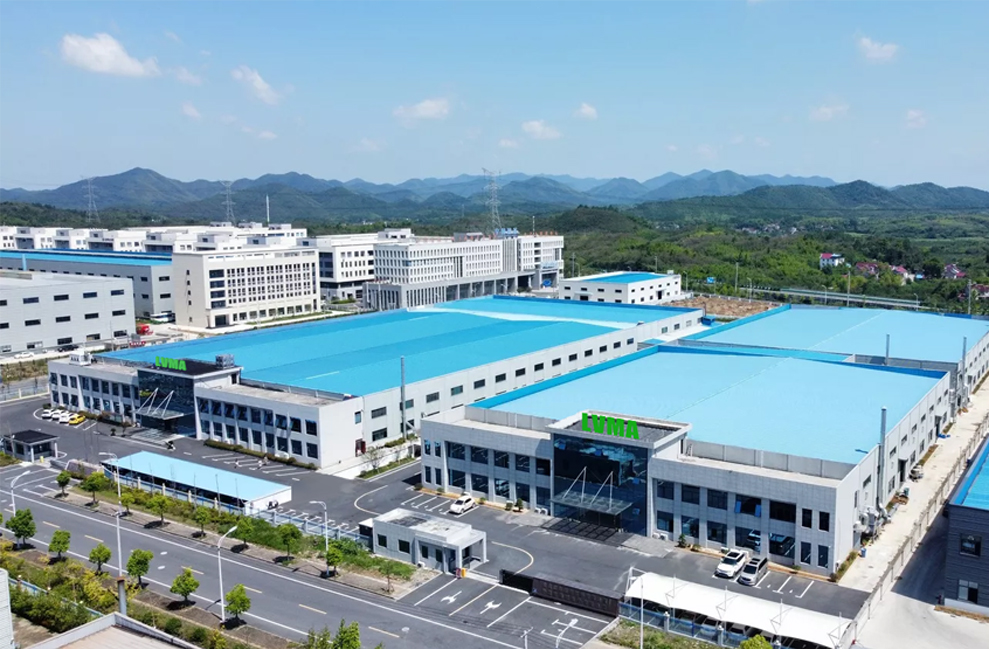
LVMA CNC Factory โ€” Plastic Injection Molder for Robotics Engineering

About LVMA CNC โ€” Your Trusted Plastic Injection Molder for Robotics

LVMA CNC was established in 2018 as an integrated division focused on parts machining and export services. Our own factory, founded in 2004, contributes more than 20 years of experience in precision manufacturing.

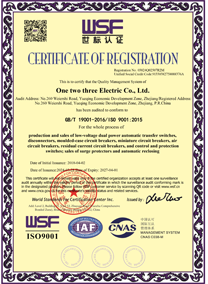
LVMA CNC combines export operations with in-house production capabilities. Our manufacturing capacity covers CNC machining, injection molding, die casting, and stamping, supported by a wide range of established industrial processes. Our operations are governed by a structured quality management system and are ISO 9001 certified.

We process over 100 materials, including copper, steel, aluminum, zinc, and engineering plastics, and supply components for applications in automotive engineering, electrical systems, robotics, and furniture hardware. With clients in over 80 countries, we are a globally trusted partner for precision plastic injection molded components in robotics engineering.

LVMA ISO 9001 CertificateLVMA ISO 14001 CertificateLVMA ISO 45001 Certificate

LVMA CNC By The Numbers

Two decades of manufacturing excellence powering robotics engineering worldwide.

80+
Service Areas Globally
500+
Engineers in the Team
90%
Product Self-Production Rate
500+
Advanced Equipment Units
99.9%
First-Time Pass Rate
5M+
Machined Parts Per Year

At LVMA CNC, our mission is to drive production line automation through our AI platform, enabling our clients to accelerate product iteration. By seamlessly blending cutting-edge manufacturing technologies with a collaborative network, we provide our customers with solutions characterized by precise delivery, scalable mass production, and rapid iteration capabilities โ€” purpose-built for the demands of modern robotics engineering.

Why Choose LVMA CNC for Robotics Injection Molding?

Four core competencies that make LVMA CNC the preferred plastic injection molding partner for robotics engineering companies worldwide.

โœ…

Reliable Quality Assurance

LVMA has a dedicated testing center and professional inspection team. Every component is inspected against production process standards before shipment, ensuring robotics customers receive zero-defect parts that perform in safety-critical applications.

๐Ÿ”ฌ

Cross-Domain Engineering Experience

LVMA focuses on non-standard and customized components, integrating cross-industry technical resources to meet the precise design requirements of robotics, automotive, precision instruments, and industrial automation sectors.

๐ŸŒ

Professional Global Trade Team

Our experienced business team offers 7ร—24-hour service response, expert cost assessment, and a mature delivery system with 99.9% on-time logistics performance โ€” serving robotics OEMs across 80+ countries.

โ™ป๏ธ

Full Life Cycle Service

From design consultation and rapid prototyping through to mass production and after-sales support, LVMA's digital operation platform provides remote diagnostics and continuous process optimization to reduce your production costs over time.

Full-Cycle Quality Assurance for Robotics Components

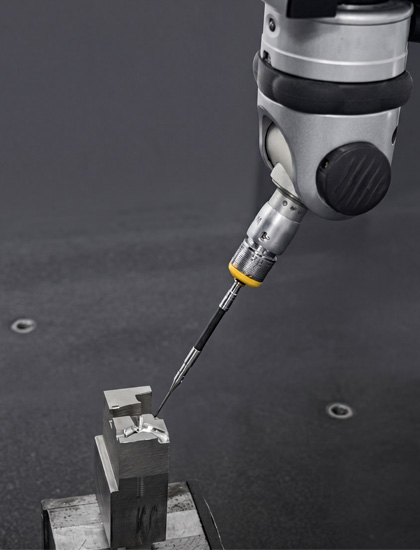
LVMA CNC offers both standardized component inspection and fully tailored inspection solutions designed to meet the stringent quality requirements of robotics engineering supply chains. Our CMM-equipped inspection laboratory ensures every injection-molded part meets your exact dimensional and material specifications.

  • โœ… First Article Inspection Report (per AS9102)
  • โœ… Standard Inspection
  • โœ… Standard Inspection with Dimensional Report
  • โœ… CMM Inspection with Dimensional Report
  • โœ… MTC Material Test Certificate
Get a Quote
CMM Coordinate Measuring Machine for Robotics Injection Molded Parts Quality Control

Certificate Display

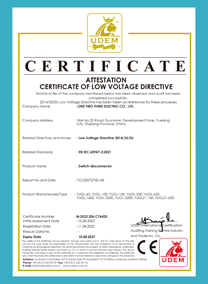
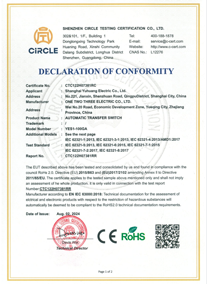
Backed by ISO 9001, ISO 14001, and ISO 45001 certifications, LVMA CNC guarantees uncompromising quality by providing comprehensive SGS testing, detailed dimensional inspection reports, Material Test Certificates (MTC), and industry-specific CE compliance.

CE Certificate โ€” LVMA CNC Robotics Injection MoldingLVMA ISO 9001 CertificateLVMA ISO 14001 CertificateLVMA ISO 45001 CertificateCTC Certificate โ€” LVMA CNC

Our History

Two decades of precision manufacturing evolution โ€” from a local factory in Yueqing to a global supplier of injection-molded components for robotics engineering.

2004
Our factory is established and located in Yueqing, China.
2011
One Two Three Electric Co., Ltd. continues to innovate, introducing custom components for high-end electrical products.
2014
One Two Three Electric Co., Ltd. has commenced the mass customization of stamping parts, CNC machining parts, and injection molded parts.
2017
The factory has reached the milestone of an annual production volume of five million custom parts.
2018
LVMA CNC has been officially established, specializing in the export of custom CNC parts, sheet metal components, and injection-molded parts.
2023
LVMA CNC provides custom machining services to clients in over 80 countries worldwide.

Factory Tour

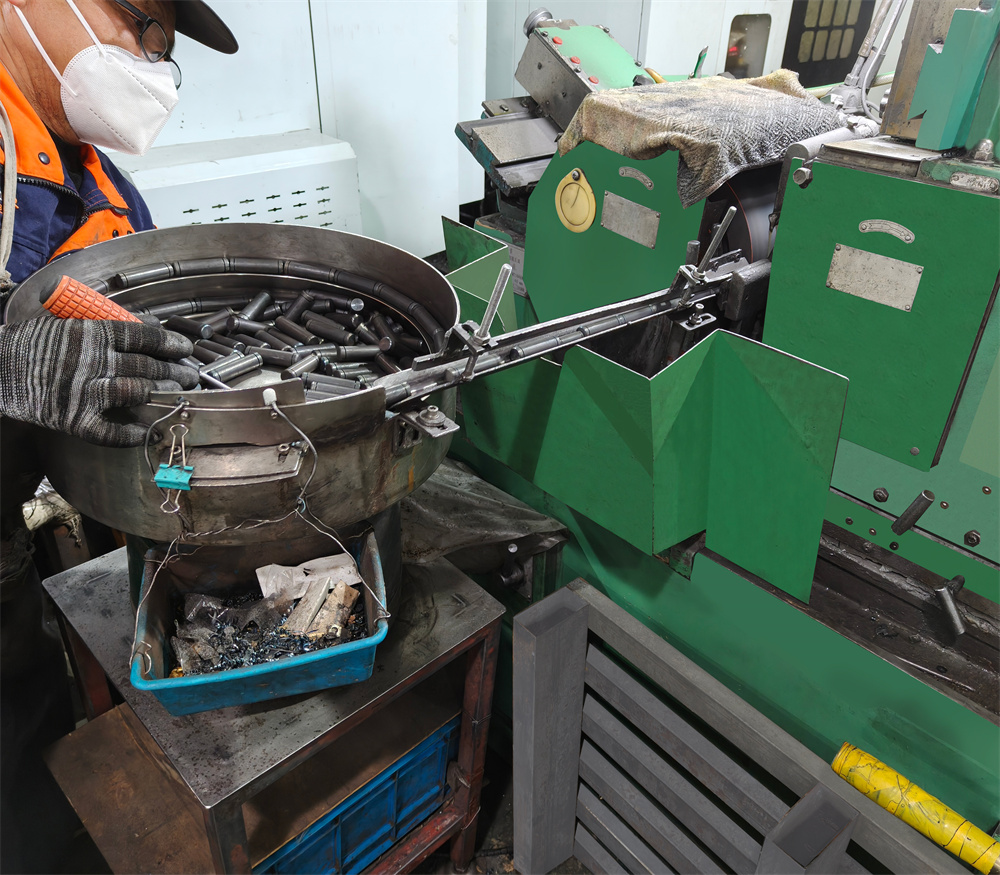
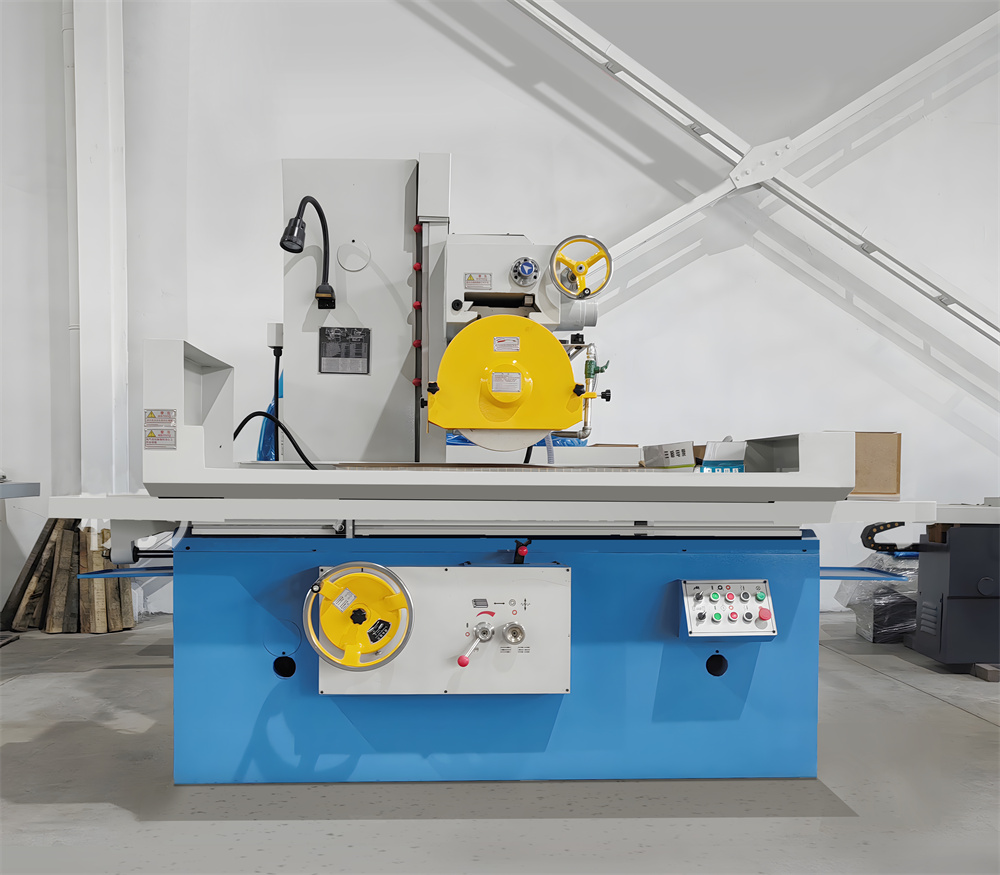
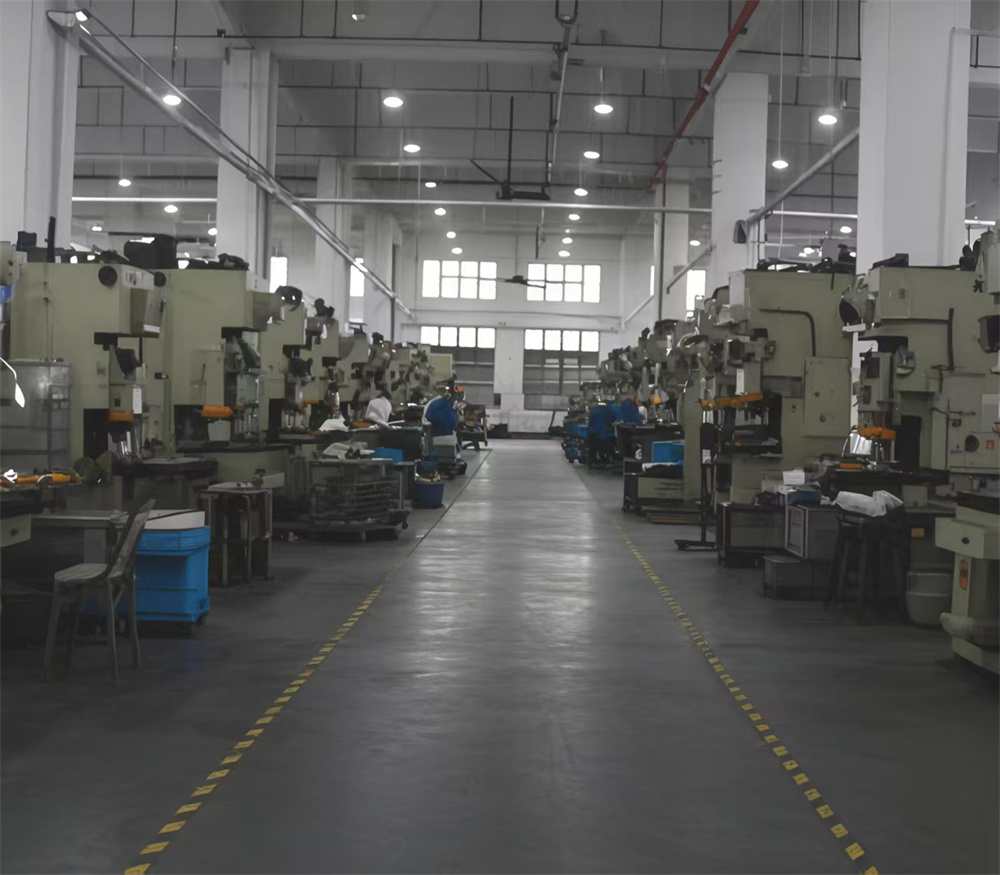
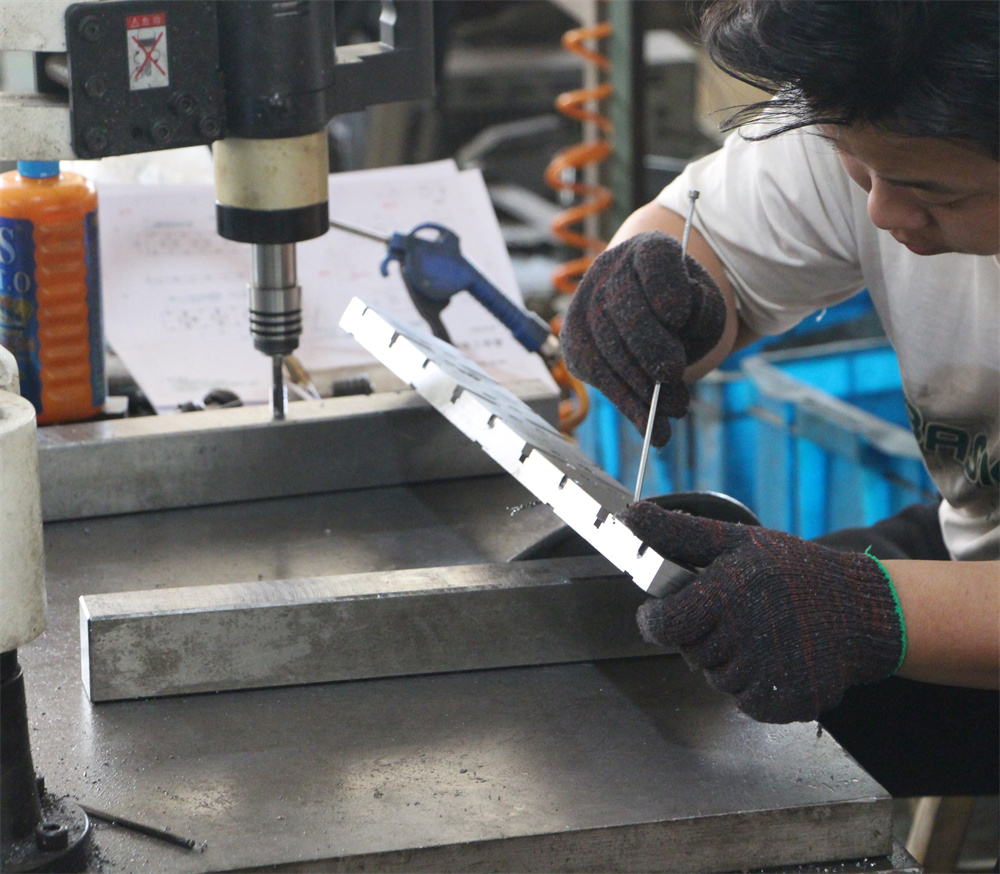
Take a visual tour of LVMA CNC's state-of-the-art manufacturing facility โ€” where precision plastic injection molding for robotics engineering comes to life.

LVMA CNC Factory Tour 1 โ€” Injection Molding for RoboticsLVMA CNC Factory Tour 2 โ€” Precision ManufacturingLVMA CNC Factory Tour 3 โ€” Robotics Component ProductionLVMA CNC Factory Tour 4 โ€” Quality Control LabLVMA CNC Factory Tour 5 โ€” CNC Machining CenterLVMA CNC Factory Tour 6 โ€” Assembly LineLVMA CNC Factory Tour 7 โ€” Injection Molding MachinesLVMA CNC Factory Tour 8 โ€” Finished Parts Inspection

Sustainable Development

From raw material tracking to production waste recycling, we have collaborated with upstream and downstream partners to implement multiple carbon reduction plans. Our factory has obtained ISO 14001 certification and is committed to becoming a low-carbon benchmark supplier recognized by customers in the robotics engineering industry worldwide.

Click for Inquiry

More Injection Molded Solutions for Robotics Engineering

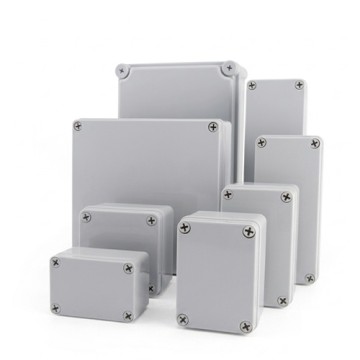
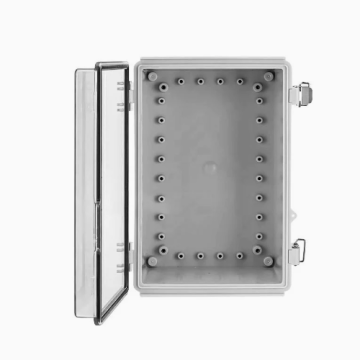
Explore our complete range of precision plastic injection molded products โ€” from waterproof enclosures to structural brackets โ€” all engineered to meet the demanding requirements of robotic systems.