The global machined metal parts market is projected to surpass $320 billion by 2027, fueled by surging demand from automotive, aerospace, energy, and robotics sectors. Asia-Pacific leads growth with China, Japan, and South Korea at the forefront of precision manufacturing.
Industry analysts forecast a compound annual growth rate of 7.4% through 2030, as manufacturers worldwide increase capital expenditure on CNC machining, die casting, and advanced fabrication technologies to meet tighter tolerances and faster delivery requirements.
Leading precision part suppliers now export to over 80 countries, reflecting the globalization of industrial supply chains. Buyers from North America, Europe, Southeast Asia, and the Middle East increasingly source high-quality machined components directly from China-based factories with ISO-certified quality systems.
Key Insight: The shift toward Industry 4.0 — integrating AI-driven quality inspection, digital twin simulation, and real-time production monitoring — is fundamentally transforming how machined metal parts are designed, produced, and delivered for industrial machinery applications. Manufacturers that embrace these technologies gain significant competitive advantages in cost efficiency, lead time reduction, and defect rate minimization.
Artificial intelligence is being integrated directly into CNC machining workflows, enabling adaptive toolpath optimization, predictive maintenance scheduling, and real-time dimensional correction. This reduces scrap rates by up to 40% and shortens cycle times significantly for complex industrial components.
Modern industrial machinery demands components made from an expanding range of materials — from traditional aluminum alloys and stainless steel to advanced titanium, engineering plastics, and composite materials. Suppliers capable of processing 100+ material grades with consistent precision hold a decisive market advantage.
Environmental compliance is no longer optional. Leading machining factories are implementing closed-loop coolant recycling, energy-efficient servo-driven machines, and carbon-neutral logistics partnerships. ISO 14001 certification has become a baseline requirement for industrial buyers in Europe and North America.
Blockchain-enabled material traceability, digital twin inspection records, and cloud-based CMM data sharing are becoming standard expectations from Tier-1 industrial buyers. Complete documentation chains — from raw material certification to final dimensional report — are now mandatory for aerospace, medical, and defense applications.
The rise of agile manufacturing models enables buyers to order precision machined parts with no minimum order quantity. This democratizes access to high-quality custom components for startups, R&D laboratories, and mid-sized OEMs who previously could not afford tooling costs associated with traditional mass production.
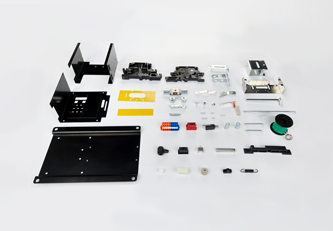
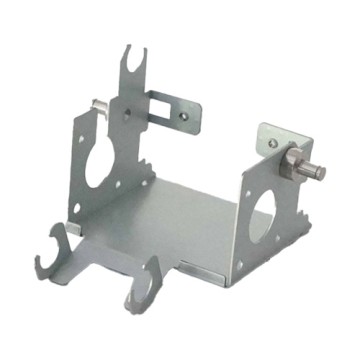
The proliferation of collaborative robots (cobots), automated guided vehicles (AGVs), and smart assembly lines is creating massive demand for ultra-precise metal components with tight geometric tolerances. Transmission housings, mounting brackets, encoder shafts, and sensor housings are among the fastest-growing product categories.
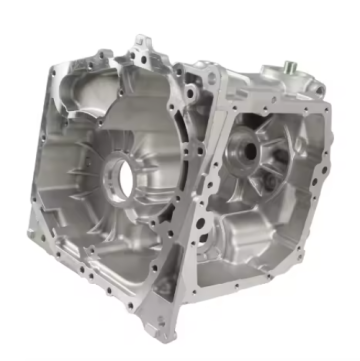
Die-cast aluminum transmission cases, precision-machined gear housings, and valve bodies require micron-level tolerances. Electric vehicle drivetrains demand even tighter specifications for noise reduction and efficiency.
Robot joint actuators, servo motor mounting flanges, and end-effector brackets demand high-strength, lightweight aluminum or titanium parts machined to sub-0.01mm tolerances for repeatable positional accuracy in automated assembly lines.
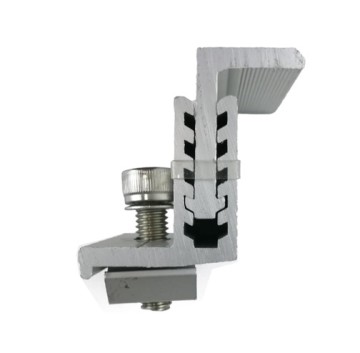
Solar panel mounting brackets, wind turbine bearing housings, and hydraulic manifold blocks for energy storage systems require corrosion-resistant materials and precision machining to withstand decades of outdoor exposure and mechanical stress.
Flight-critical structural components, hydraulic actuator bodies, and avionics enclosures demand AS9100-compliant machining processes, full material traceability, and first-article inspection reports. Titanium and aerospace-grade aluminum alloys dominate this segment.
Surgical instrument housings, diagnostic device frames, and laboratory automation components require biocompatible materials, Ra 0.4μm or better surface finishes, and cleanroom-compatible packaging. Stainless steel SS316L and anodized aluminum are preferred materials.
Heat sinks, EMI shielding enclosures, precision connector housings, and wafer handling components require tight flatness and parallelism tolerances. CNC-milled aluminum and copper parts with anodizing or electroplating finishes dominate semiconductor fab equipment.
Valve bodies, pump impellers, flange components, and pressure vessel fittings for upstream oil and gas operations demand high-pressure ratings, corrosion resistance in H₂S environments, and compliance with API and ASME standards. Duplex stainless steel and Inconel machining capabilities are essential.
Conveyor system components, mixing head housings, and cutting blade assemblies for food-grade machinery require FDA-compliant stainless steel grades, crevice-free surface finishes to prevent bacterial growth, and electropolished surfaces meeting EHEDG hygienic design standards.
As global industrial machinery evolves toward greater autonomy, electrification, and sustainability, the demands placed on machined metal component suppliers are intensifying. The next five years will be defined by several converging technological and commercial forces.
Machining centers equipped with IoT sensors, digital twins, and AI-based process optimization will become the industry standard, enabling predictive quality control and zero-defect manufacturing for critical industrial components.
The electric vehicle revolution is generating enormous demand for precision-machined motor housings, battery enclosures, thermal management components, and power electronics heat sinks — all requiring advanced aluminum and copper machining capabilities.
While China remains the dominant supplier of precision machined parts, global buyers are increasingly demanding dual-sourcing strategies and supply chain transparency, creating opportunities for certified Chinese manufacturers with proven export capabilities and digital traceability systems.
Next-generation industrial machinery requires components with tolerances of ±0.005mm or better, while delivery windows compress from weeks to days. Only manufacturers with advanced equipment fleets, skilled engineers, and streamlined logistics can consistently meet these demands.
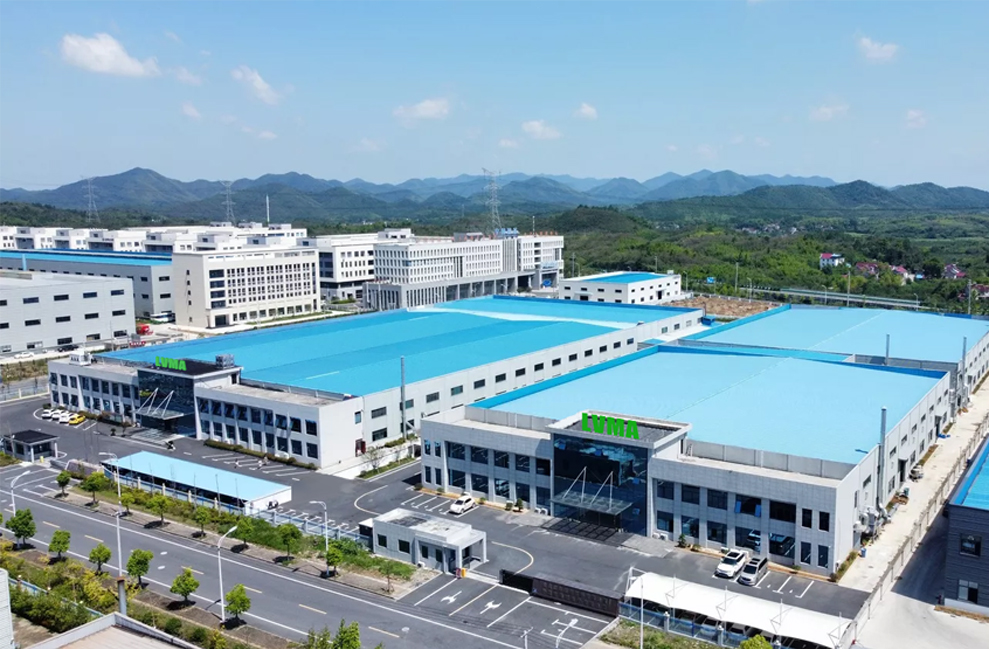
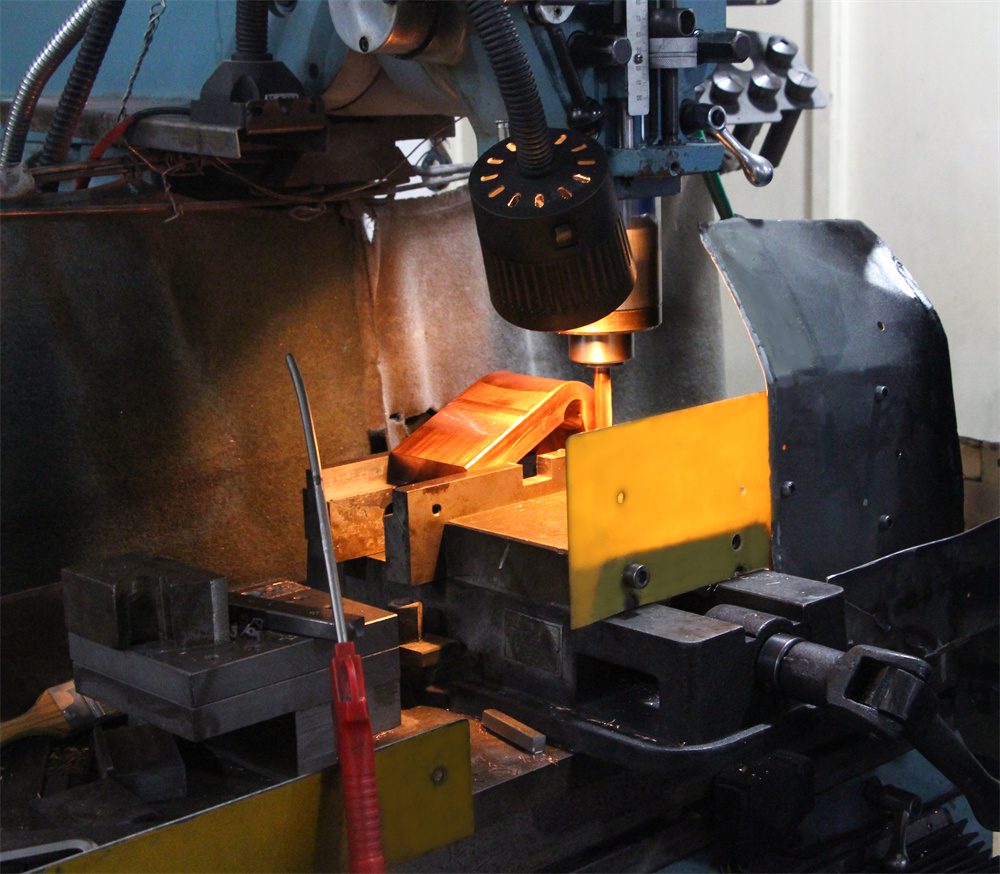
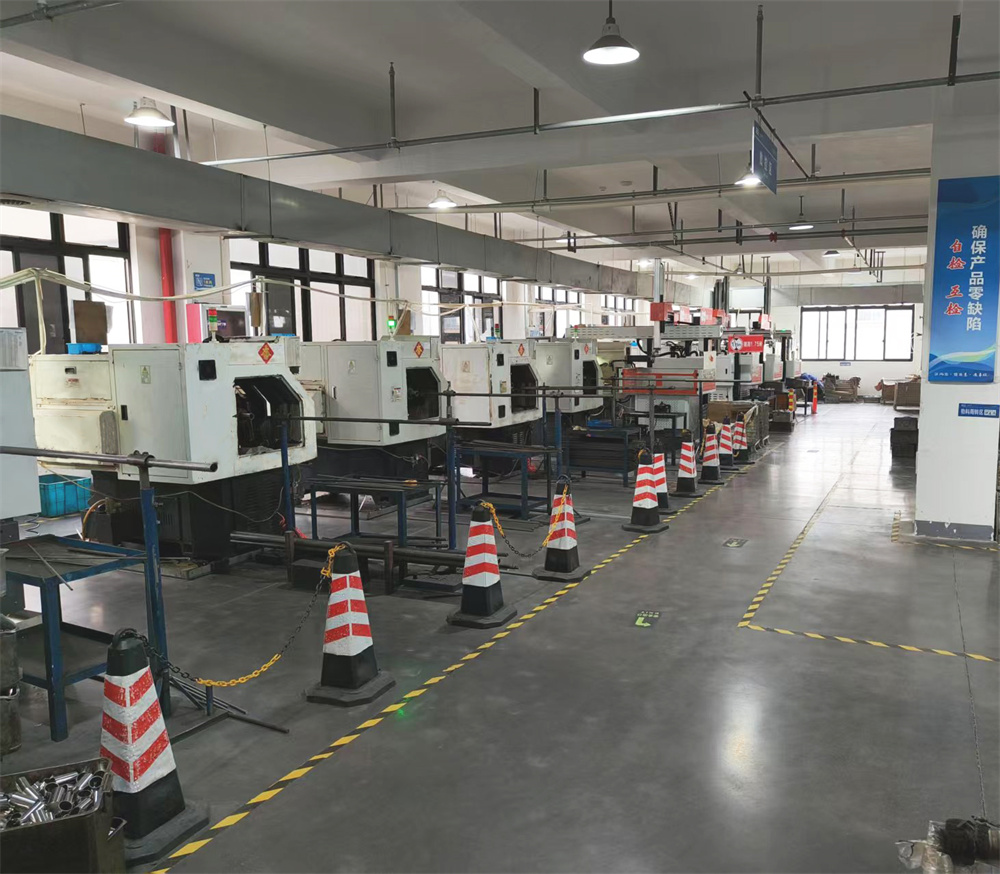
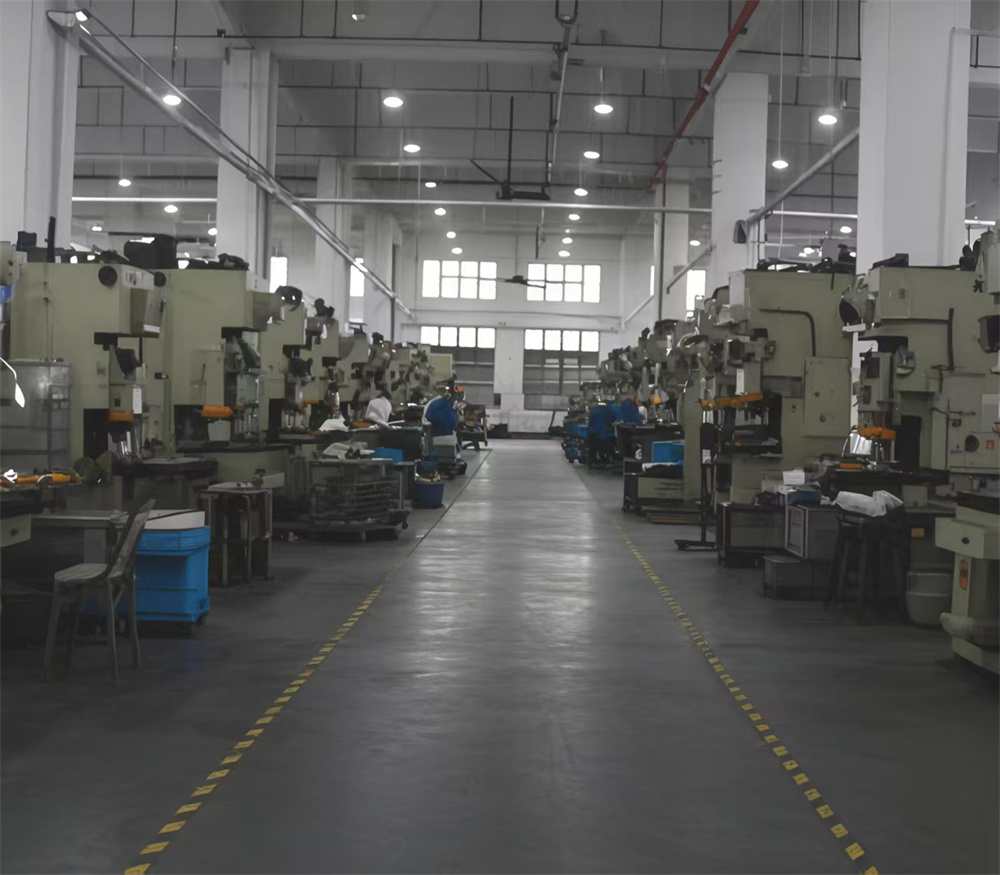
LVMA CNC was established in 2018 as an integrated division focused on parts machining and export services. Our own factory, founded in 2004, contributes more than 20 years of experience in precision manufacturing.
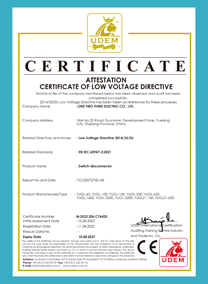
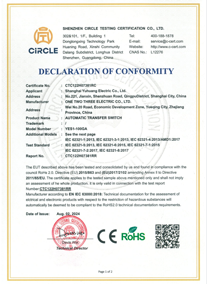
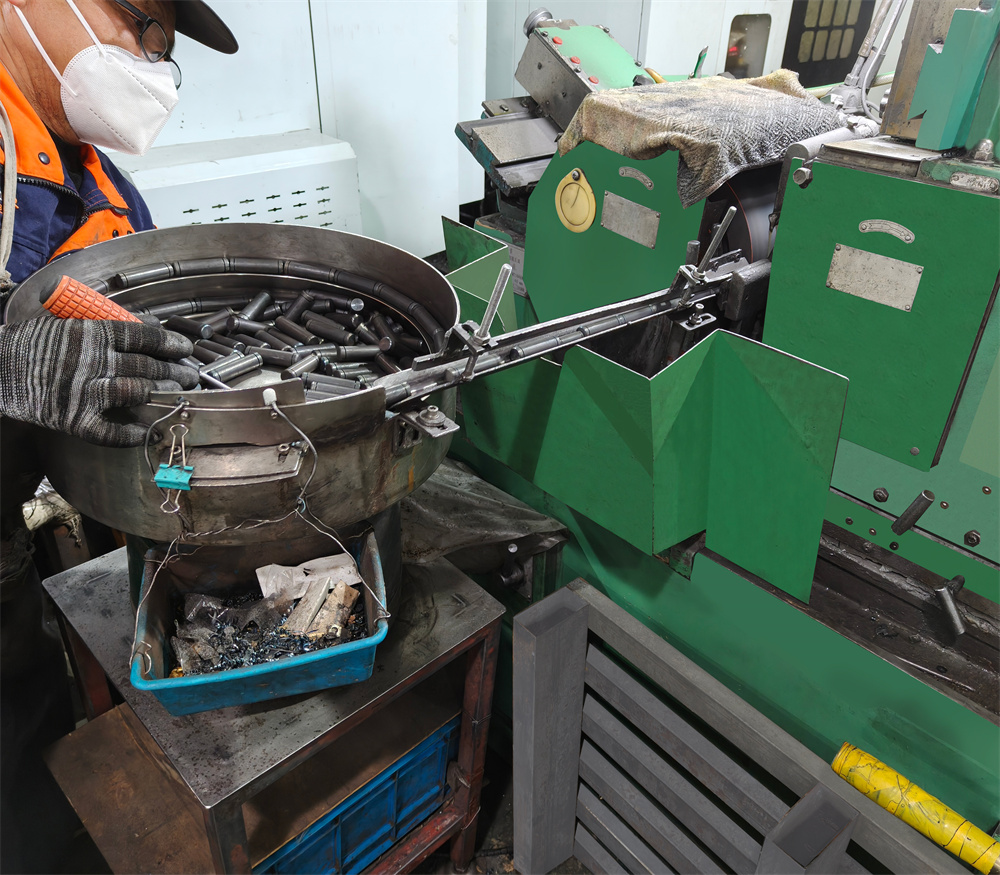
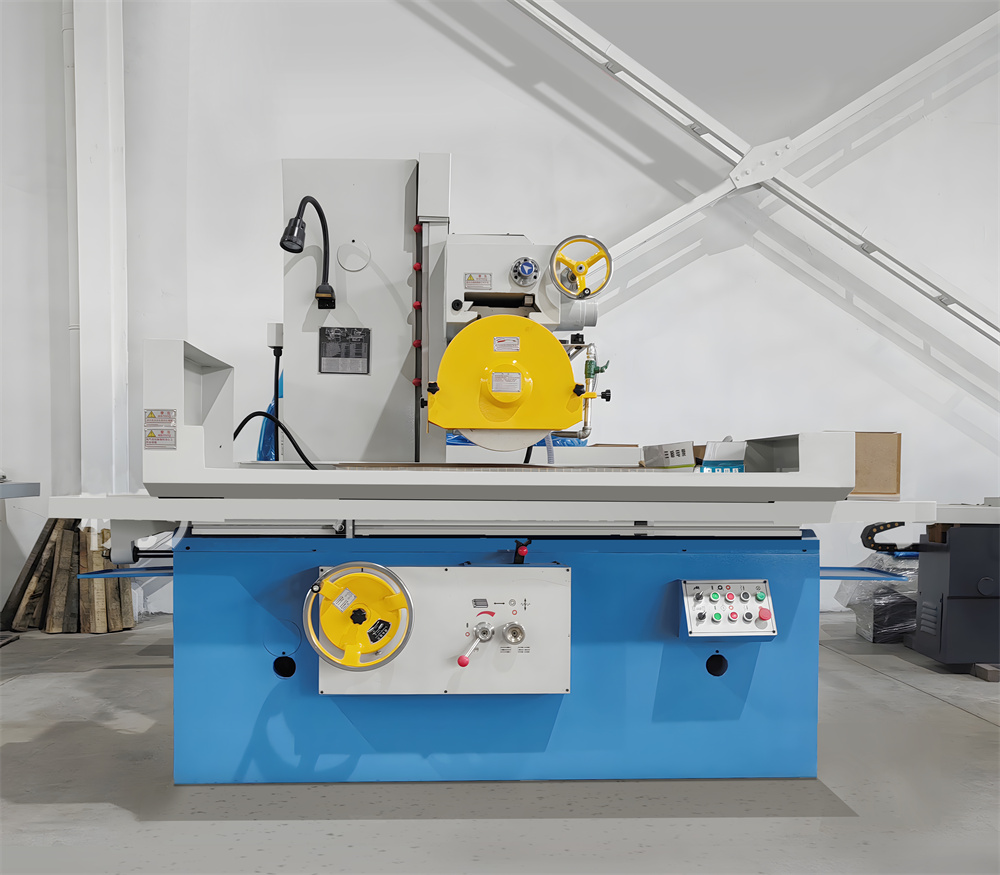
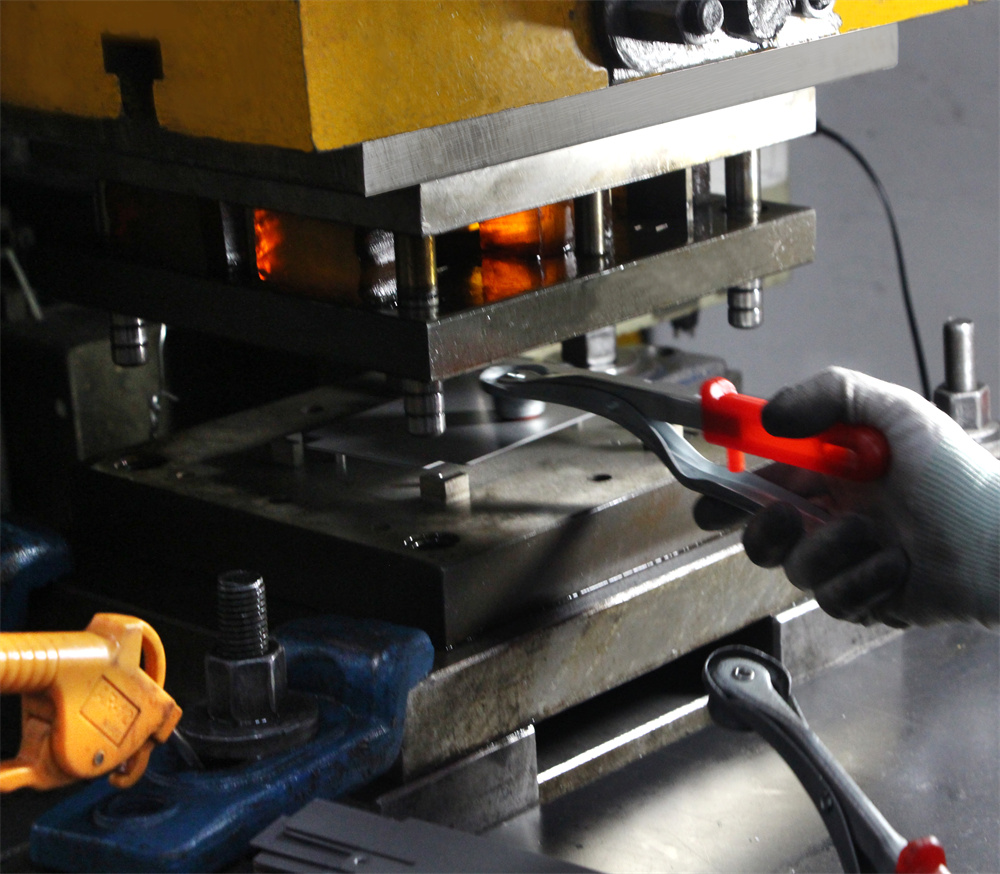
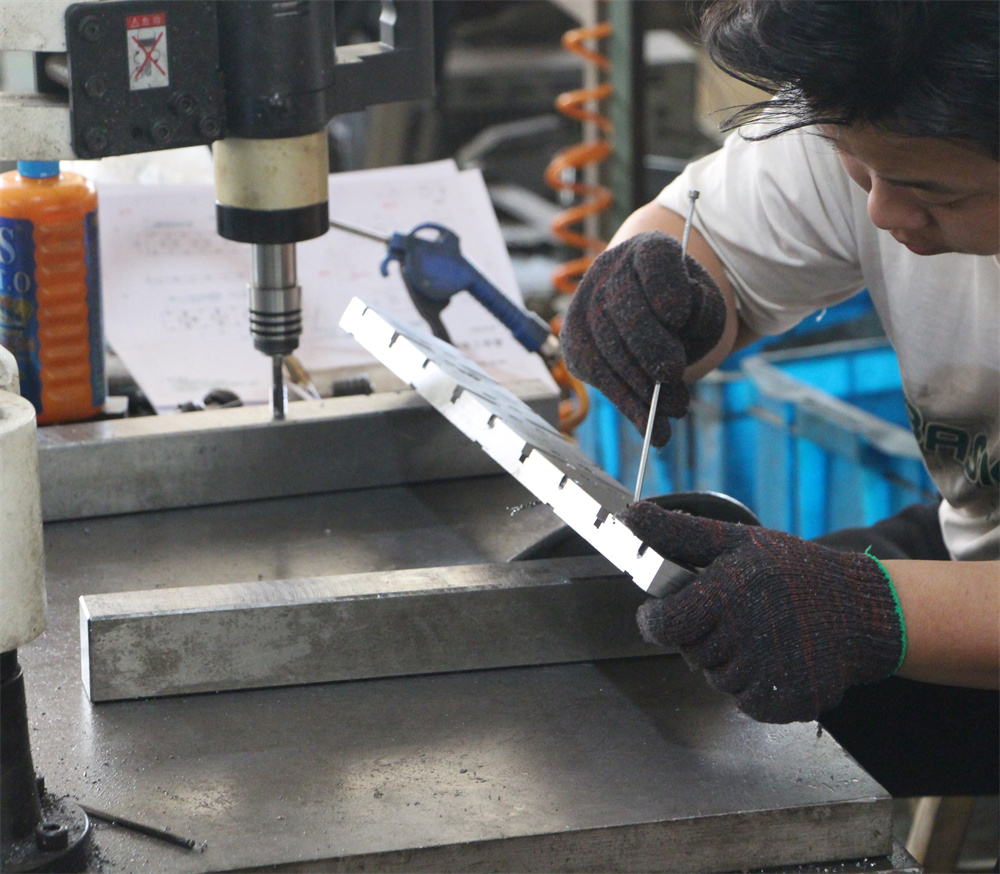
LVMA CNC combines export operations with in-house production capabilities. Our manufacturing capacity covers CNC machining, injection molding, die casting, and stamping, supported by a wide range of established industrial processes. Our operations are governed by a structured quality management system and are ISO 9001 certified.
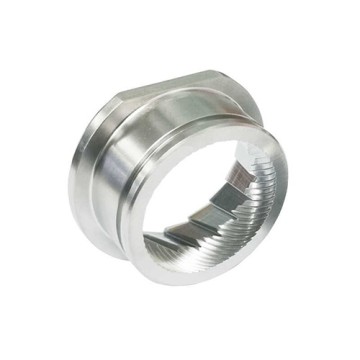
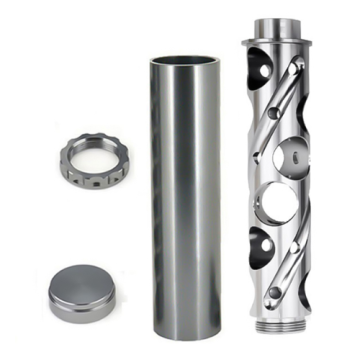
We process over 100 materials, including copper, steel, aluminum, zinc, and engineering plastics, and supply components for applications in automotive engineering, electrical systems, and furniture hardware.


At LVMA CNC, our mission is to drive production line automation through our AI platform, enabling our clients to accelerate product iteration. By seamlessly blending cutting-edge manufacturing technologies with a collaborative network, we provide our customers with solutions characterized by precise delivery, scalable mass production, and rapid iteration capabilities.
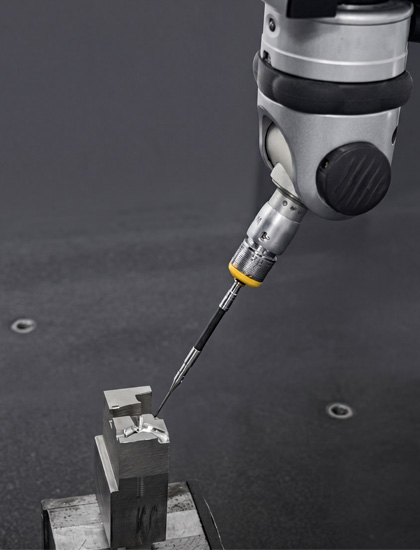
Explore Our CapabilitiesLVMA CNC offers standardized component inspection as well as tailored inspection solutions. Our multi-stage quality control system ensures every machined metal part leaving our facility meets or exceeds the specifications required for industrial machinery applications.
From incoming raw material verification through in-process dimensional checks to final outgoing inspection, every step is documented and traceable. Our CMM inspection capabilities enable us to verify complex 3D geometries with sub-micron accuracy.
LVMA has a dedicated testing center and professional inspection team. Products are inspected according to production process standards before shipment, ensuring customers receive components that meet exact specifications for their industrial machinery applications.
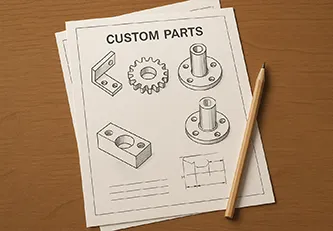
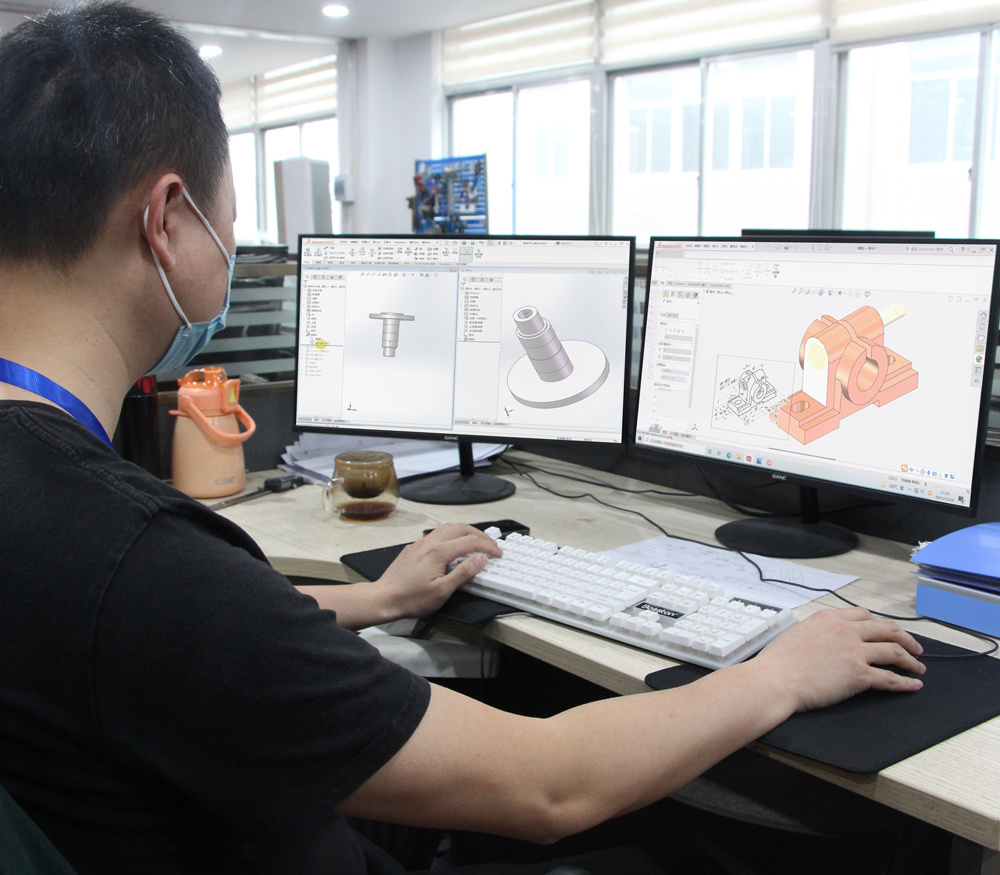
LVMA focuses on non-standard and customized component development, integrating cross-industry technical resources to meet design requirements for automotive parts, precision instruments, hardware, furniture, robotics, and industrial automation systems.
Our experienced business team offers 7×24-hour service response with rich expertise in cost assessment and international logistics. Our mature delivery system achieves a 99.9% on-time delivery rate to customers in over 80 countries worldwide.
Through remote diagnosis via our digital operations platform, we analyze equipment usage data to drive continuous process improvement, reducing production costs and optimizing component performance throughout the entire product lifecycle.
From raw material tracking to production waste recycling, we have collaborated with upstream and downstream partners to implement multiple carbon reduction plans. Our factory has obtained ISO 14001 certification and is committed to becoming a low-carbon benchmark supplier recognized by customers worldwide. Our green manufacturing initiatives include energy-efficient machining processes, responsible chemical management, and circular economy principles applied throughout our supply chain.
Click for Inquiry


Partner with LVMA CNC for reliable, ISO-certified precision components. Whether you need prototypes, small batches, or large-scale production runs, our team is ready to deliver the exact parts your industrial machinery demands — on time, every time.
Request a Free Quote