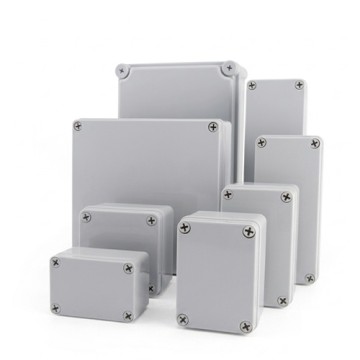
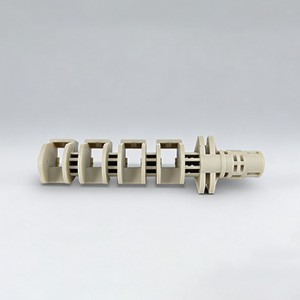
Explore our precision injection molded components engineered for medical, therapeutic, and industrial applications.
Understanding the commercial landscape, technical demands, and strategic importance of injection molding in the global medical device sector.
The global medical device injection molding market has experienced robust and sustained growth over the past decade. Valued at over USD 8.5 billion in 2023, the market is projected to surpass USD 15 billion by 2032, driven by aging populations worldwide, the rapid expansion of minimally invasive surgery, wearable health technology, and the increasing demand for single-use sterile components. Injection molding has become the dominant manufacturing process for producing high-volume, high-precision plastic medical parts โ from diagnostic instrument housings to implantable device components.
Unlike conventional industrial injection molding, the tooling and process requirements for medical device manufacturing are governed by strict regulatory frameworks including FDA 21 CFR Part 820, ISO 13485, and EU MDR 2017/745. These standards mandate full traceability, validated processes, and biocompatible material selection. As a result, medical injection mold tooling must be engineered to tolerances often tighter than ยฑ0.01mm, and molds must demonstrate consistent performance across millions of cycles without dimensional drift.
Key Insight: Over 60% of all plastic components used in medical devices globally are manufactured via injection molding โ making it the single most critical manufacturing process in the medical device supply chain.
Medical-grade injection molding tooling is fundamentally distinct from standard industrial tooling in several critical dimensions. The molds must be fabricated from corrosion-resistant steels (such as S136, NAK80, or H13) capable of withstanding repeated sterilization cycles. Surface finishes must meet SPI A1 or A2 standards for transparent optical components, or controlled Ra values for implant-contact surfaces.
Material selection is equally critical. Medical injection molding commonly employs biocompatible polymers including:
The tooling design must also accommodate clean-room compatible runners, hot-runner systems with precise temperature zoning, and validated ejection mechanisms that prevent part distortion or contamination. Multi-cavity molds for high-volume disposables (such as syringe barrels or diagnostic test strips) require exceptional balance and consistent fill across all cavities.
Injection molding tooling for medical devices spans a remarkably diverse range of clinical and therapeutic applications.
High-volume micro-fluidic chips, PCR plates, pipette tips, and test cartridges demand ultra-thin walls, tight tolerances, and optically clear materials. Multi-cavity tooling with hot-runner systems enables millions of identical parts per day at micron-level consistency.
Endoscope handles, electrosurgical device grips, and laparoscopic tool bodies require ergonomic overmolding with TPE over rigid PC or ABS cores. Tooling must support two-shot or insert molding processes with precise alignment and no flash at parting lines.
Inhaler bodies, auto-injector components, IV connectors, and syringe barrels represent some of the highest-volume medical molding applications. Tooling must maintain dimensional stability across millions of cycles, with validated fill profiles and zero contamination from mold release agents.
PEEK and medical-grade nylon injection molding tools produce dental brackets, temporary crowns, and orthopedic trial implants. These applications demand surface finishes compatible with biological tissue contact and sterilization by autoclaving, EO gas, or gamma radiation.
Continuous glucose monitors, cardiac event recorders, and therapeutic massage devices require injection molded housings with IP-rated sealing features, soft-touch overmolded interfaces, and integrated snap-fit assembly features. LSR and TPU tooling is central to this growing segment.
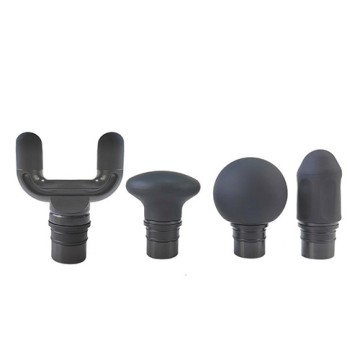
Ventilator components, infusion pump housings, and home-use rehabilitation devices such as massage gun therapeutic attachments require durable, cleanable, and ergonomically optimized injection molded parts. Eco-friendly silicone and medical-grade ABS are the materials of choice.
The next decade will be defined by four transformative forces reshaping how medical injection molds are designed, built, and operated.
Artificial intelligence is transforming mold design by enabling real-time simulation of polymer flow, cooling uniformity, shrinkage prediction, and warpage analysis. AI platforms can reduce mold trial iterations by up to 70%, dramatically compressing time-to-market for new medical device programs. LVMA CNC integrates AI-assisted process optimization into its production line automation platform, enabling clients to accelerate product iteration with unprecedented speed.
Regulatory pressure and ESG commitments are driving adoption of bio-based polymers, recycled medical-grade resins, and solvent-free mold release systems. LSR (Liquid Silicone Rubber) and eco-certified TPE compounds are increasingly specified for therapeutic device components, including massage gun heads and wearable interfaces, aligning product performance with environmental responsibility.
The trend toward minimally invasive surgery and implantable micro-devices is driving demand for micro-injection molding tools capable of producing parts weighing less than 0.1 gram with features measured in microns. This requires specialized micro-mold tooling, ultra-precise injection units, and clean-room molding environments โ a rapidly growing niche within medical device manufacturing.
Post-pandemic supply chain disruptions have prompted many medical OEMs to diversify their injection molding tool suppliers, increasing demand for ISO 13485-aligned manufacturers in Asia with proven export capabilities. China-based manufacturers like LVMA CNC โ with ISO 9001, 14001, and 45001 certifications, 20+ years of precision manufacturing experience, and global logistics infrastructure โ are positioned as strategic partners for medical device brands seeking quality, cost efficiency, and supply chain resilience.
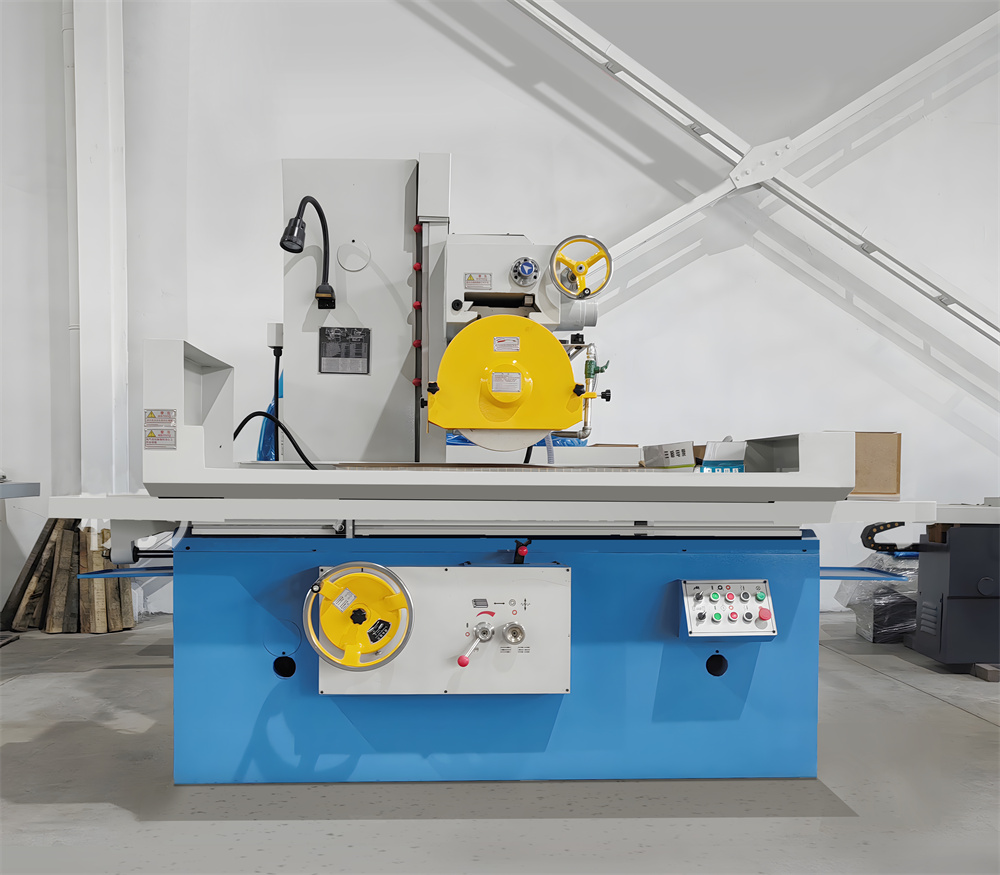
LVMA CNC was established in 2018 as an integrated division focused on parts machining and export services. Our own factory, founded in 2004, contributes more than 20 years of experience in precision manufacturing.
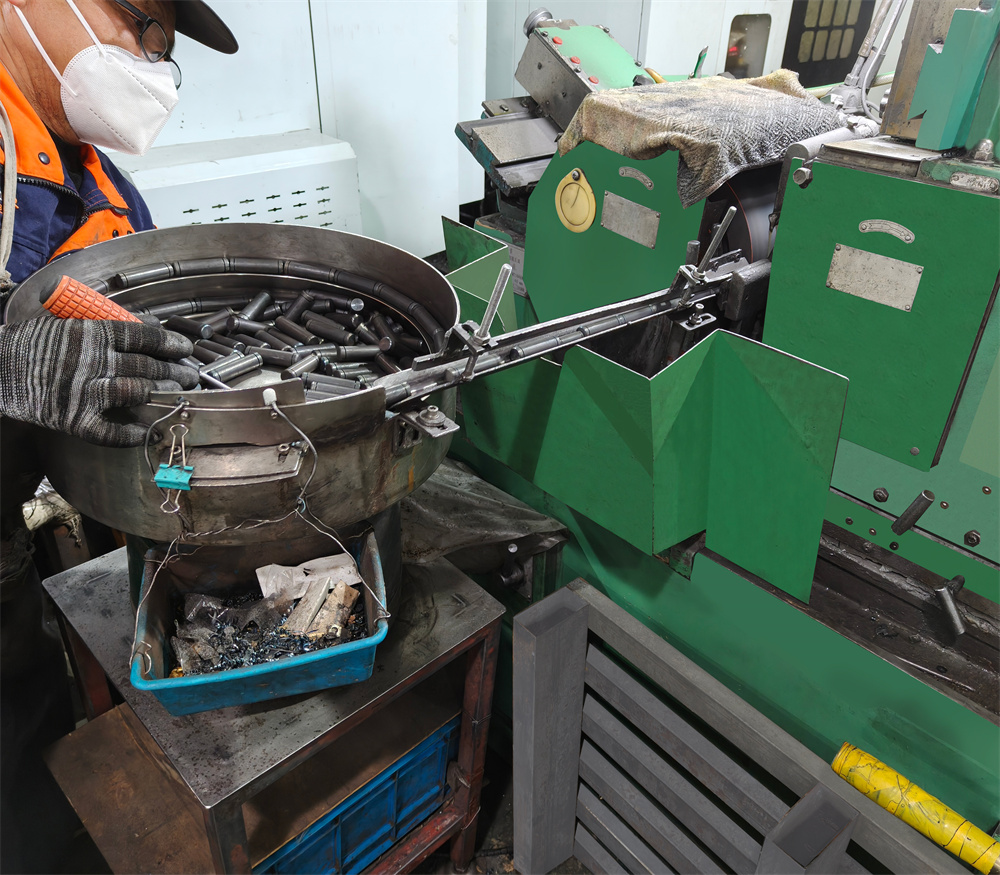
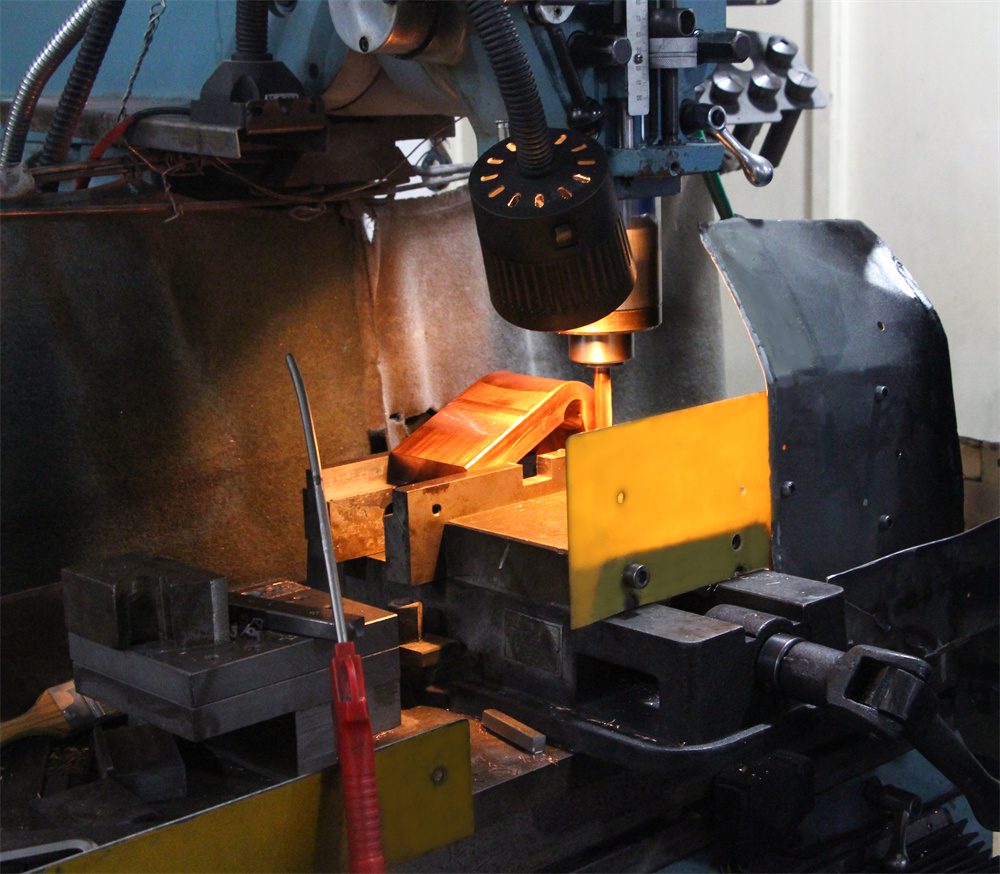
LVMA CNC combines export operations with in-house production capabilities. Our manufacturing capacity covers CNC machining, injection molding, die casting, and stamping, supported by a wide range of established industrial processes. Our operations are governed by a structured quality management system and are ISO 9001 certified.
We process over 100 materials, including copper, steel, aluminum, zinc, and engineering plastics, and supply components for applications in automotive engineering, electrical systems, and furniture hardware.
At LVMA CNC, our mission is to drive production line automation through our AI platform, enabling our clients to accelerate product iteration. By seamlessly blending cutting-edge manufacturing technologies with a collaborative network, we provide our customers with solutions characterized by precise delivery, scalable mass production, and rapid iteration capabilities.


Four pillars that make LVMA CNC the trusted partner for precision medical injection molding tooling worldwide.
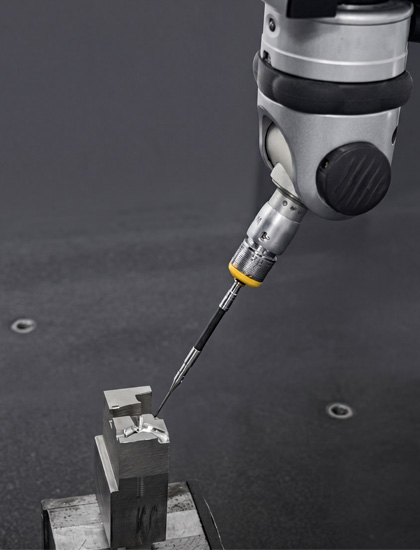
LVMA has a dedicated testing center and a professional QC team. All products are inspected against production process standards before shipment, ensuring customers receive components that meet the most demanding medical device specifications.
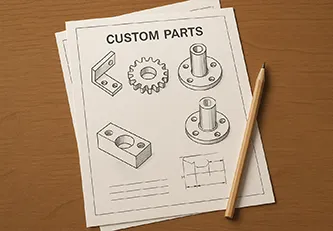
LVMA focuses on non-standard and customized component development, integrating cross-industry technical resources to meet design requirements for medical devices, automotive parts, precision instruments, and hardware โ delivering solutions that conventional suppliers cannot match.
Our experienced business team offers 7ร24-hour service response, mature delivery systems, and a logistics on-time delivery rate of 99.9%. We serve clients in over 80 countries with seamless export documentation and compliance support.
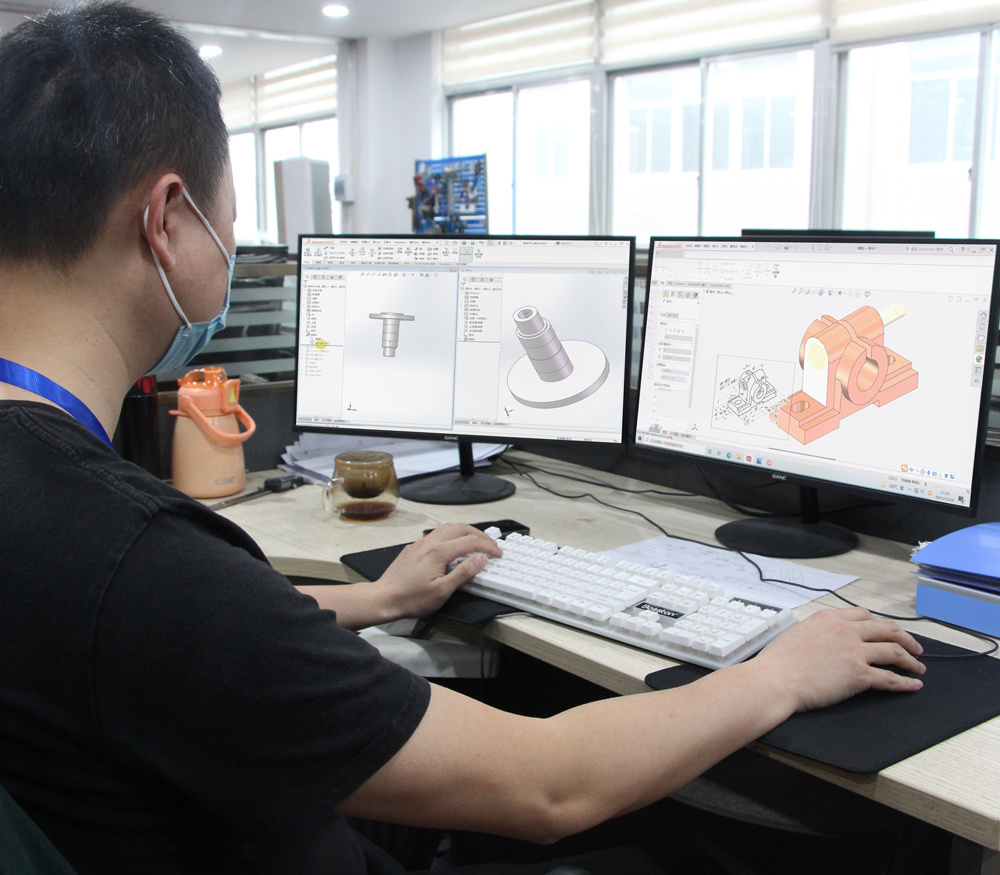
From mold design and DFM analysis through to production validation, ongoing quality monitoring, and mold maintenance, LVMA CNC provides remote diagnosis via a digital operations platform โ continuously optimizing processes to reduce production costs over the full product lifecycle.
LVMA CNC offers standardized component inspection as well as tailored inspection solutions designed to meet the rigorous documentation requirements of medical device OEMs and regulatory bodies.
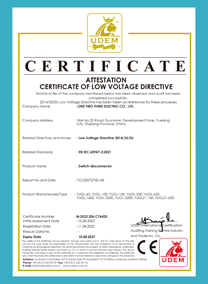
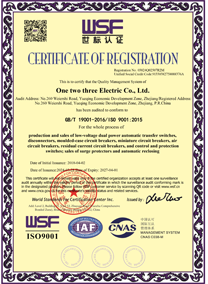
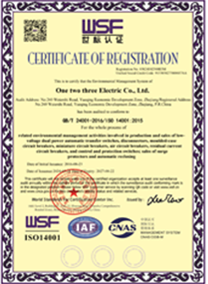
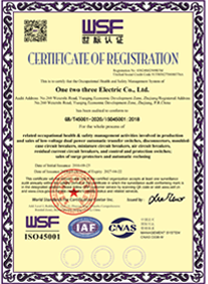
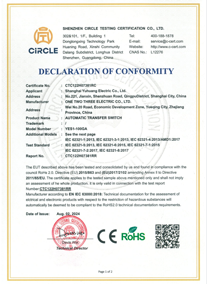
Backed by ISO 9001, ISO 14001, and ISO 45001 certifications, LVMA CNC guarantees uncompromising quality by providing comprehensive SGS testing, detailed dimensional inspection reports, Material Test Certificates (MTC), and industry-specific CE compliance.


Two decades of precision manufacturing excellence โ building the foundation for world-class medical injection molding tooling.
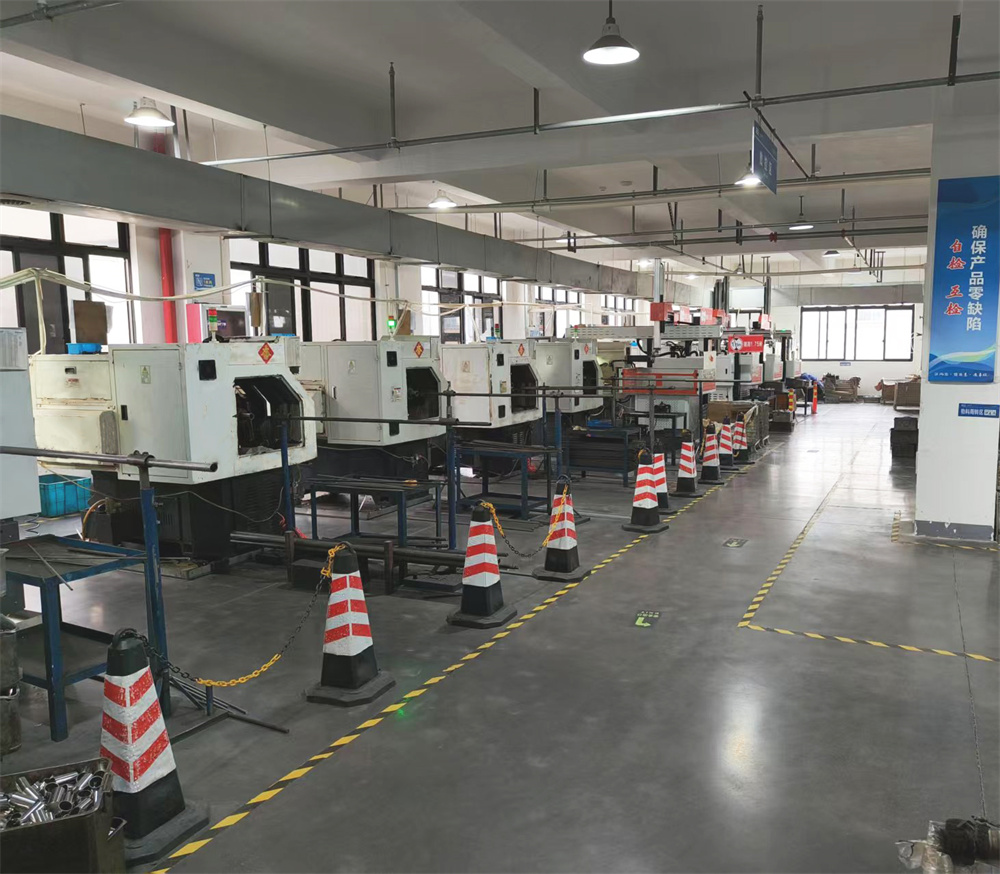
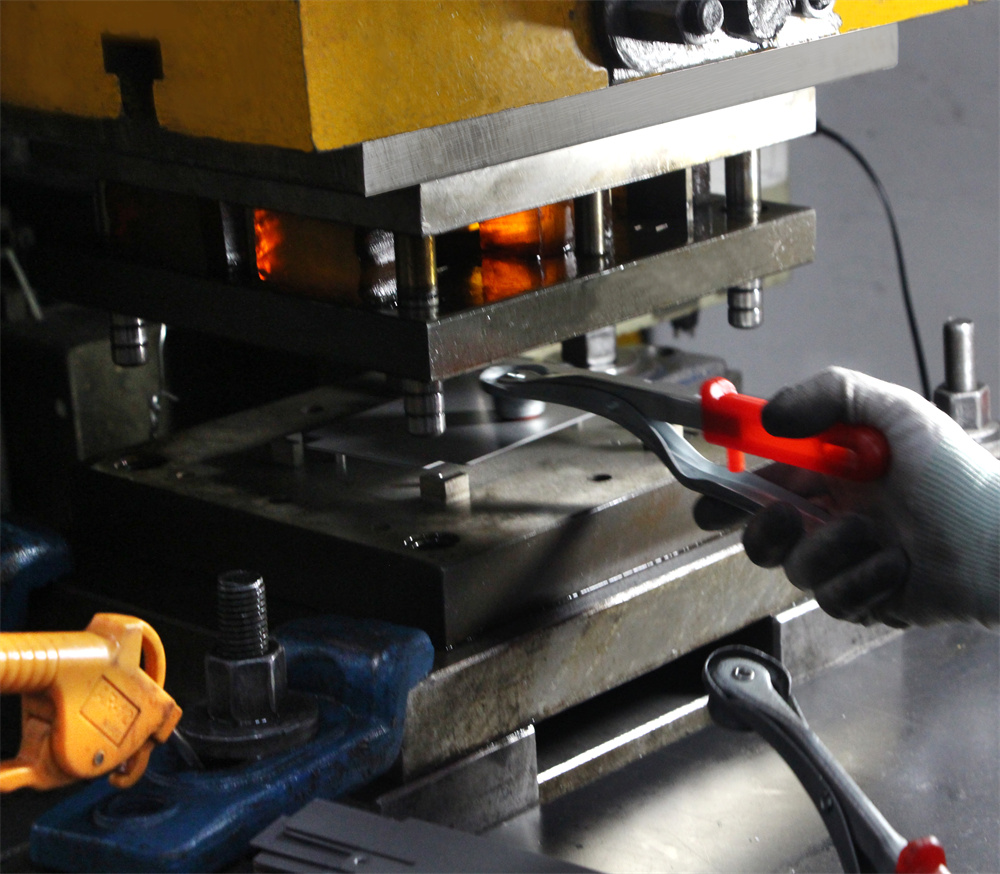
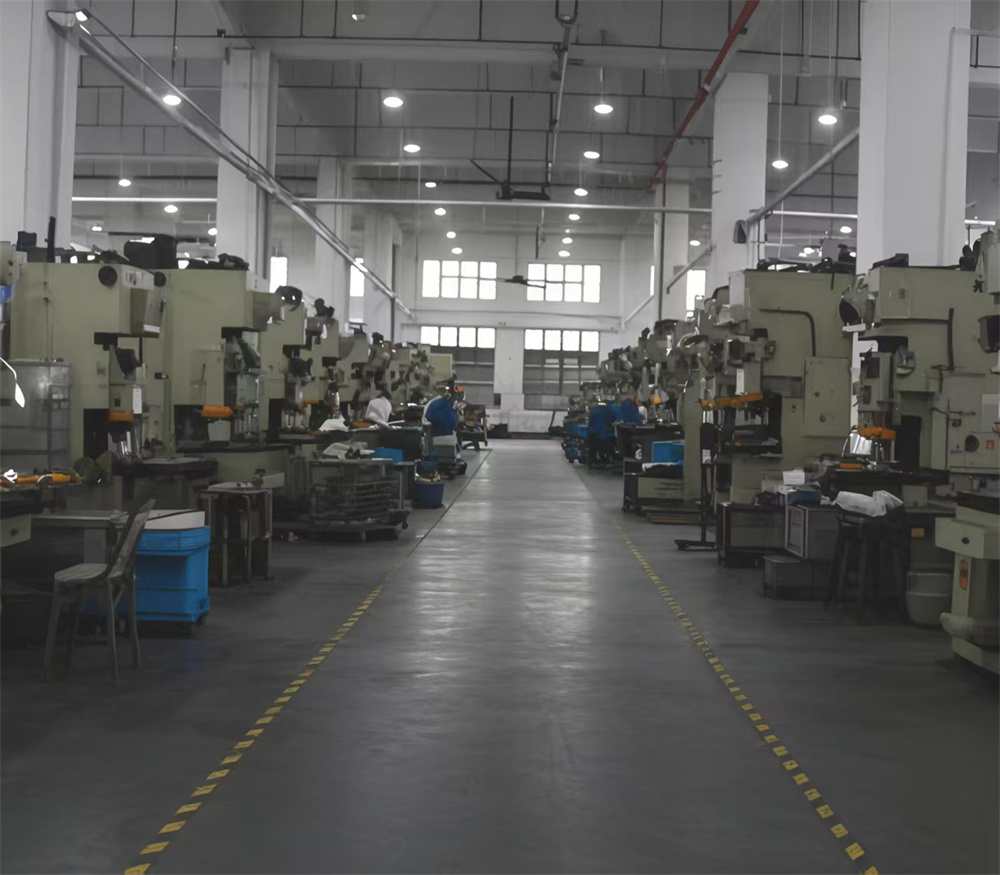
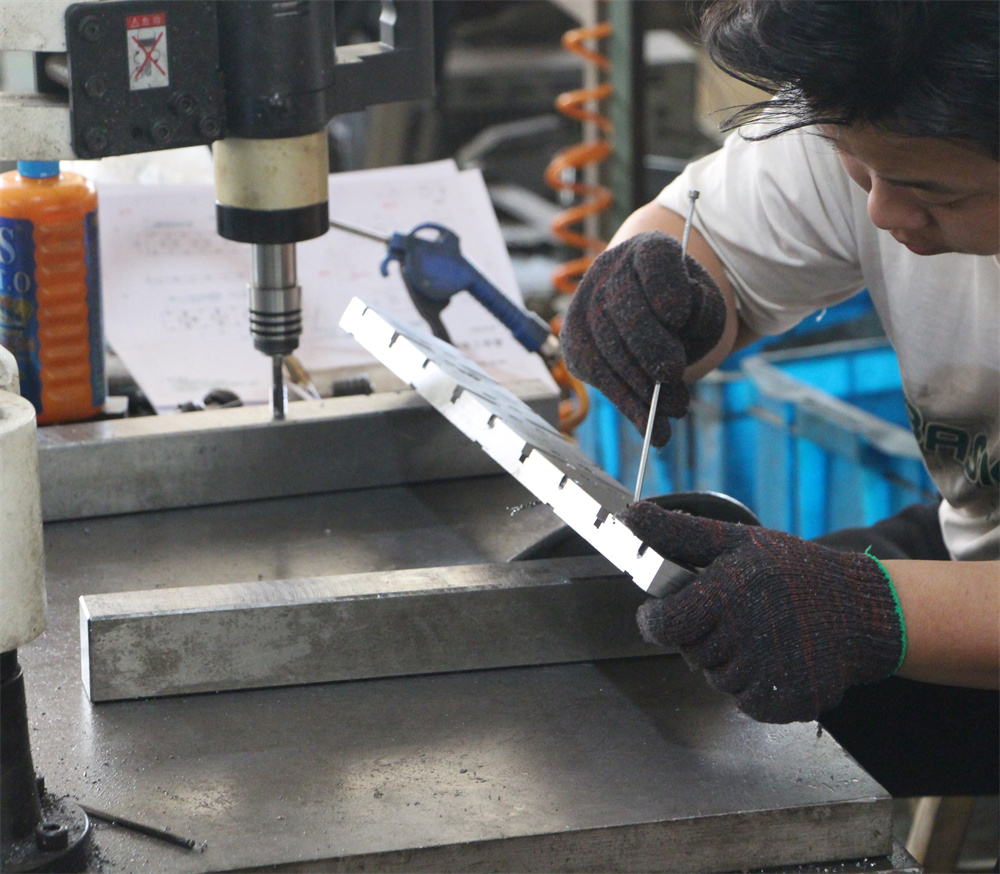
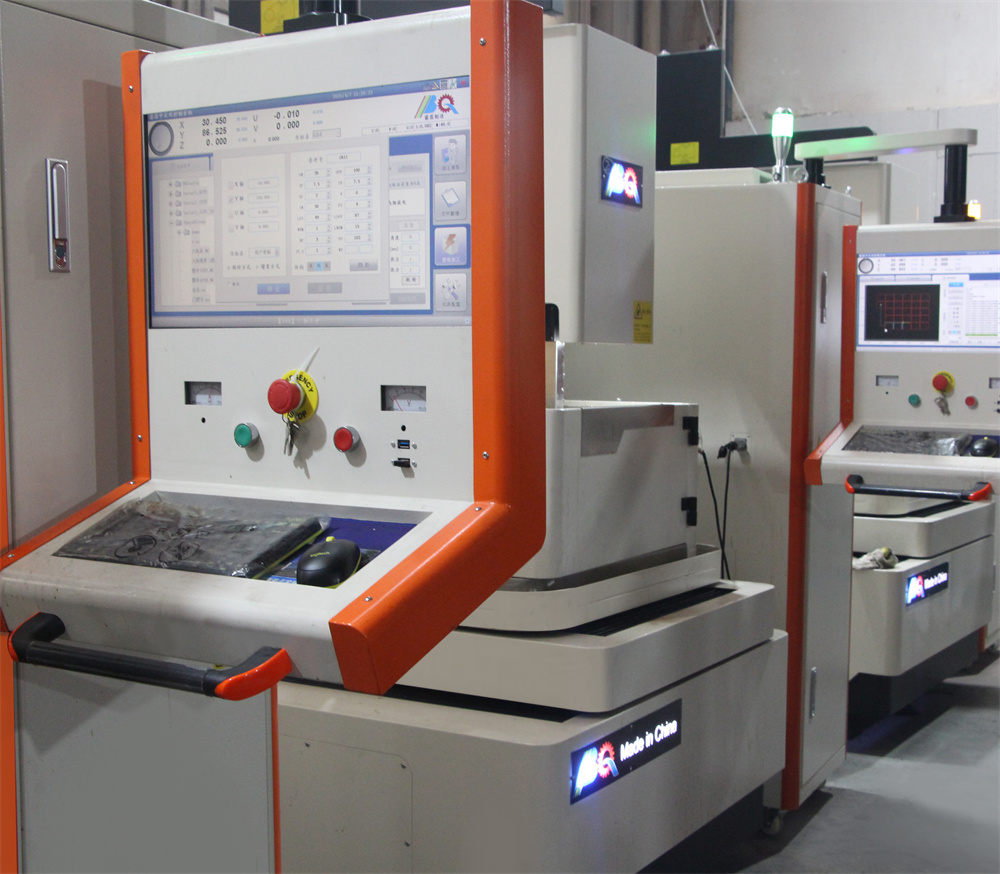
Take a virtual tour of our state-of-the-art manufacturing facility โ where precision injection molding tools for medical devices are engineered and produced.


From raw material tracking to production waste recycling, we have collaborated with upstream and downstream partners to implement multiple carbon reduction plans. Our factory has obtained ISO 14001 certification and is committed to becoming a low-carbon benchmark supplier recognized by customers worldwide.
Click for InquiryDiscover our full range of precision injection molded components for medical, therapeutic, industrial, and electronic applications.