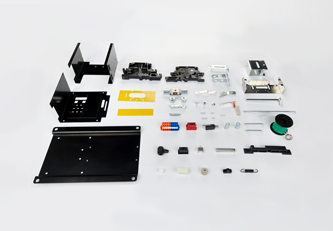
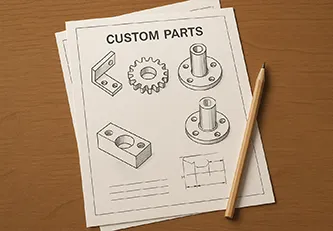
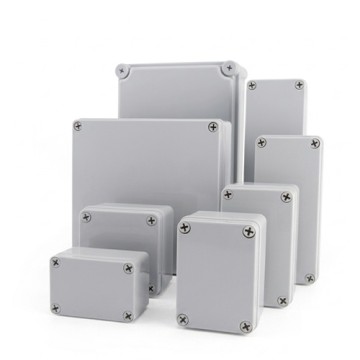
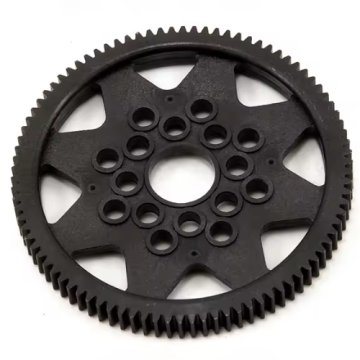
Explore our precision injection molding products engineered specifically for consumer electronics applications โ delivering tight tolerances, superior surface finish, and reliable performance at scale.
The global consumer electronics market surpassed $1.1 trillion in 2024 and continues to accelerate. Injection molding tooling sits at the heart of this growth โ enabling manufacturers to produce millions of precision plastic components with consistent quality, minimal waste, and rapid cycle times.
Modern smartphones require hundreds of precisely molded plastic parts โ internal structural frames, camera lens holders, button mechanisms, SIM tray guides, and antenna isolation inserts. Injection molding tools must achieve tolerances within ยฑ0.05mm to meet OEM assembly specifications. As 5G devices demand thinner walls and more complex geometries, advanced hot-runner tooling and micro-injection molding are becoming standard requirements.
The wearables market โ smartwatches, earbuds, fitness trackers โ is projected to reach $186 billion by 2030. These products demand ultra-compact injection molded enclosures with integrated snap-fit features, living hinges, and overmolded soft-touch surfaces. Multi-shot and insert molding techniques allow manufacturers to combine rigid and flexible materials in a single automated cycle, reducing assembly steps and improving waterproofing performance.
Smart speakers, connected thermostats, security cameras, and home automation hubs all rely heavily on injection molded housings. The emphasis here is on aesthetics, UV stability, and EMI shielding integration. Mold tools for smart home devices often incorporate textured surfaces, in-mold decoration (IMD), and precision gating systems to achieve premium consumer-facing finishes without secondary painting or coating operations.
As consumer electronics evolve at unprecedented speed, injection molding technology is undergoing a parallel transformation driven by AI, sustainability mandates, and miniaturization demands.
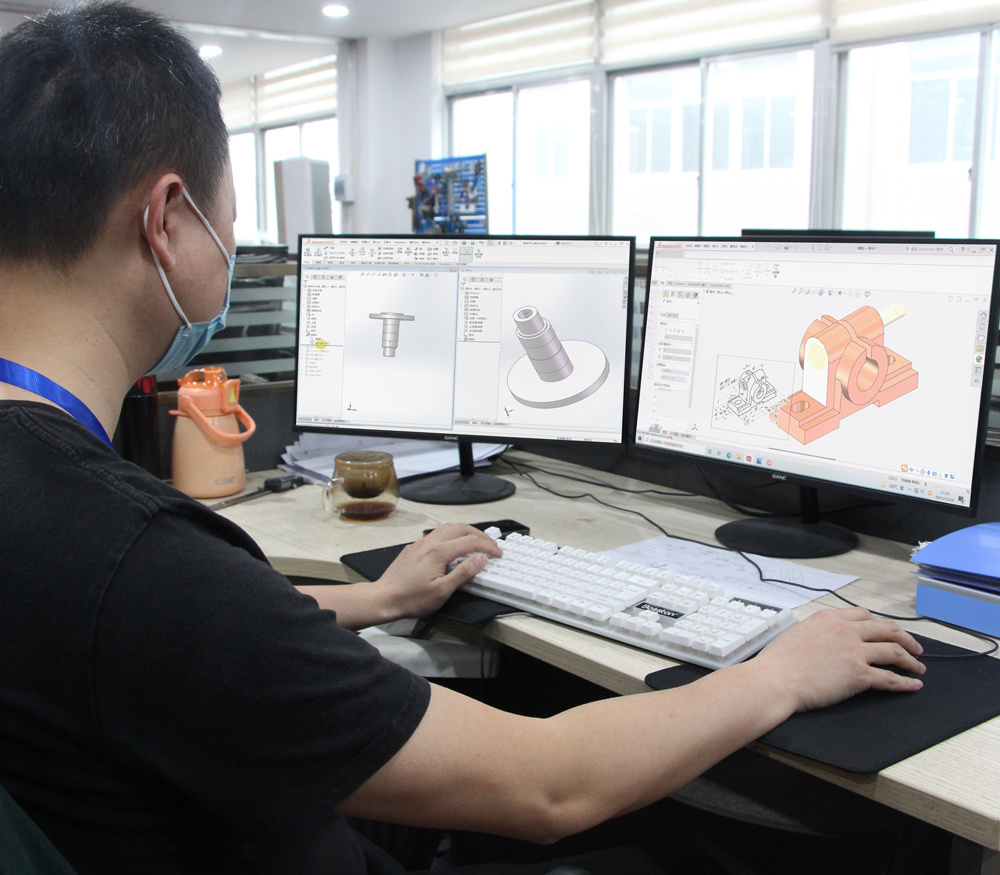
Artificial intelligence is revolutionizing mold design workflows. AI-powered simulation tools can predict warp, sink marks, and flow imbalances before a single cut is made on steel. Machine learning algorithms analyze historical production data to optimize gate locations, cooling channel geometries, and injection parameters โ reducing mold trial iterations by up to 60% and compressing time-to-market for new consumer electronics products.
Traditional straight-line cooling channels leave hot spots that cause warpage and extend cycle times. Conformal cooling channels โ manufactured via metal additive printing โ follow the contour of the mold cavity precisely, reducing cooling time by 20โ40%. For high-volume consumer electronics components where millions of parts are produced annually, this efficiency gain translates directly into significant cost reductions and improved dimensional consistency.
Consumer electronics brands are under increasing pressure to reduce their environmental footprint. Injection molding tooling is now being optimized for bio-based resins, recycled ABS, and post-consumer PCR plastics. These materials require modified processing parameters โ adjusted melt temperatures, extended residence times, and specialized screw geometries โ but enable brands to achieve sustainability certifications without compromising component performance or aesthetics.
As consumer devices shrink in size while expanding in functionality, micro-injection molding is becoming a critical capability. Components weighing less than 0.1 gram with wall thicknesses below 0.3mm are now routinely produced for medical-grade wearables, hearing aids, and micro-drone electronics. Specialized micro-molding machines with precision shot control and high-speed injection profiles are enabling geometries previously considered impossible in thermoplastic materials.
Modern injection molding facilities are integrating IoT sensors directly into mold tooling โ monitoring cavity pressure, temperature, and fill balance in real time. This data feeds into centralized MES platforms that automatically adjust machine parameters to maintain consistent quality across multi-cavity tools. Predictive maintenance algorithms analyze vibration and thermal data to schedule mold maintenance before failures occur, achieving near-zero unplanned downtime in high-volume consumer electronics production.
Two-shot and overmolding processes are enabling consumer electronics manufacturers to integrate multiple materials and colors in a single automated production step. Soft-touch TPE grips, transparent optical windows, and rigid structural backbones can now be combined without secondary assembly. Advanced rotary platen and core-back tooling designs are making these complex multi-material components economically viable even at medium production volumes.
From precision internal mechanisms to consumer-facing aesthetic surfaces, injection molding tooling serves every layer of modern consumer electronics product architecture.
Laptop lids, keyboard bezels, and bottom covers demand Class-A surface finishes combined with structural rigidity. Injection mold tools for these large thin-wall parts utilize sequential valve gating to control flow fronts across 300โ400mm part lengths, preventing weld lines in visible areas. Glass-fiber reinforced nylon and PC/ABS blends are commonly processed in family molds that produce matching top and bottom halves in a single production cycle, ensuring color and texture consistency.
USB-C ports, HDMI sockets, and proprietary connector housings require injection molded parts with extremely tight dimensional tolerances to ensure reliable mating and IP-rated sealing. High-precision mold tooling with hardened steel inserts (HRC 52+) and EDM-finished cavity surfaces produces these components to within ยฑ0.02mm. Insert molding integrates metal contacts and shields directly into the plastic housing during the molding cycle, eliminating secondary assembly and improving electrical reliability.
Smartwatch cases and fitness tracker enclosures must combine scratch resistance, impact absorption, and biocompatibility. Liquid silicone rubber (LSR) injection molding produces soft-touch bands and gaskets with Shore A hardness precisely controlled between 20 and 80. Two-shot processes combine rigid polycarbonate structural frames with soft LSR interfaces in a single automated cycle, achieving the premium tactile quality expected by consumers while maintaining IP67/IP68 waterproofing standards.
Gaming peripherals demand ergonomic contoured surfaces, textured grip zones, and precision button mechanisms โ all produced through injection molding. Controller housings use complex side-action and lifter mechanisms in the mold tool to release undercut features. Overmolded rubber thumb-pad inserts and transparent LED diffuser lenses are produced in multi-shot tools that maintain tight color registration. High-gloss piano-black finishes require mirror-polished mold cavities and careful process control to avoid gate blush and flow marks.
Camera lens barrels, sensor housings, and optical filter frames require injection molded parts with exceptional dimensional stability and low birefringence. Optical-grade polycarbonate and PMMA are processed in thermally balanced hot-runner tools with precision temperature control (ยฑ0.5ยฐC) to prevent material degradation. Mold surfaces are polished to SPI A1 standards and chrome-plated to achieve the optical clarity required for imaging applications. Tight roundness tolerances (within 3 microns) are achieved through precision core-cavity alignment systems.
Power bank housings, wireless charger pads, and adapter enclosures represent high-volume injection molding applications where cost efficiency is paramount. Multi-cavity tools (8, 16, or 32 cavity) with hot-runner systems produce these components at cycle times below 20 seconds. Flame-retardant ABS and PC materials meeting UL94 V-0 ratings are standard requirements. Integrated snap-fit assembly features and ultrasonic welding bosses are molded directly into parts, enabling fully automated final assembly lines with zero fasteners.
LVMA CNC was established in 2018 as an integrated division focused on parts machining and export services. Our own factory, founded in 2004, contributes more than 20 years of experience in precision manufacturing.
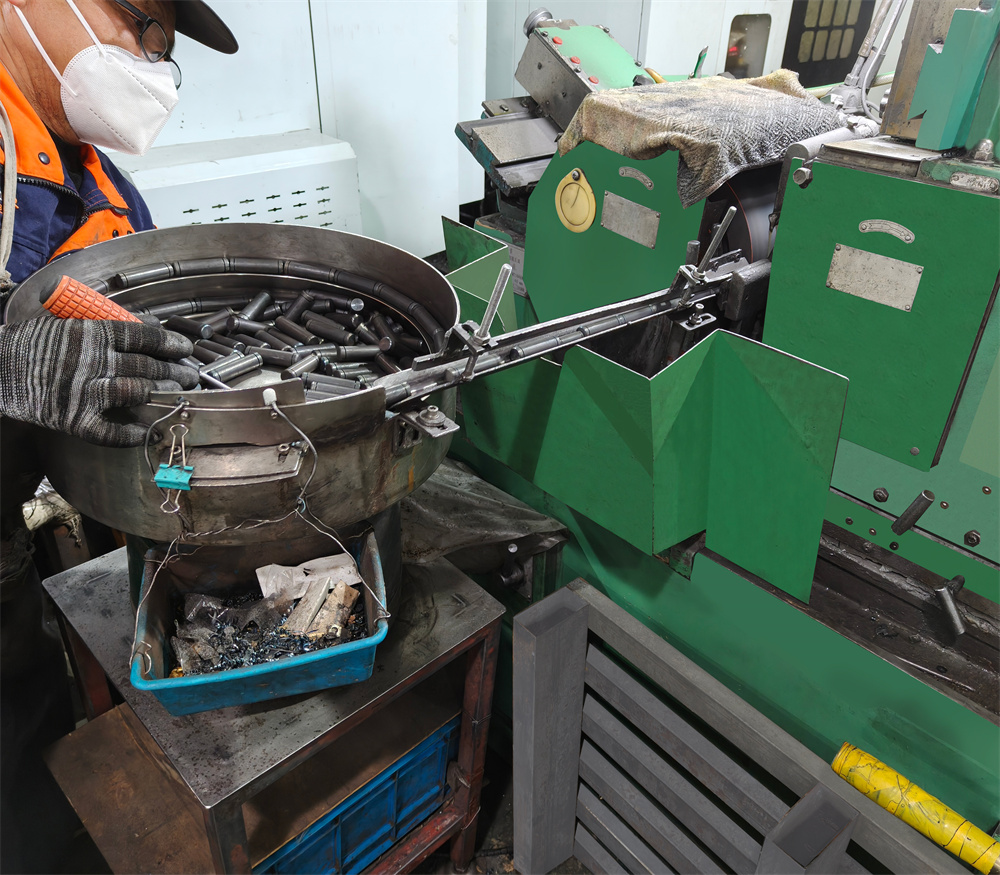
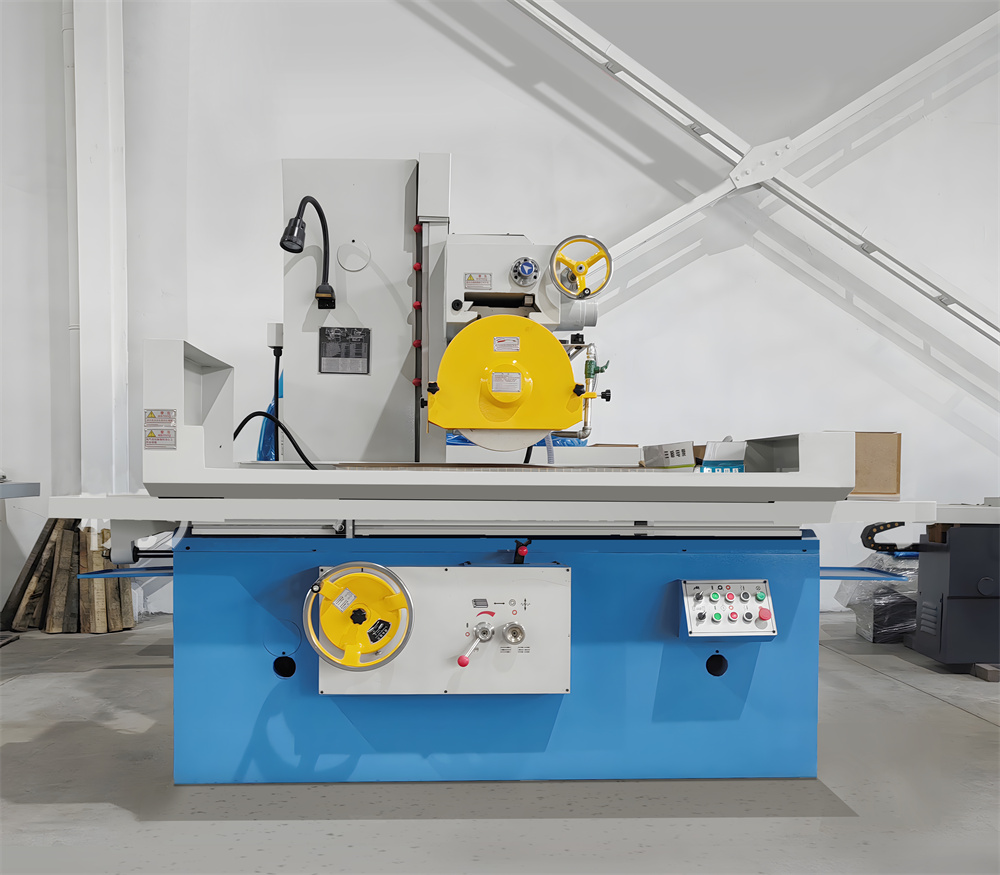
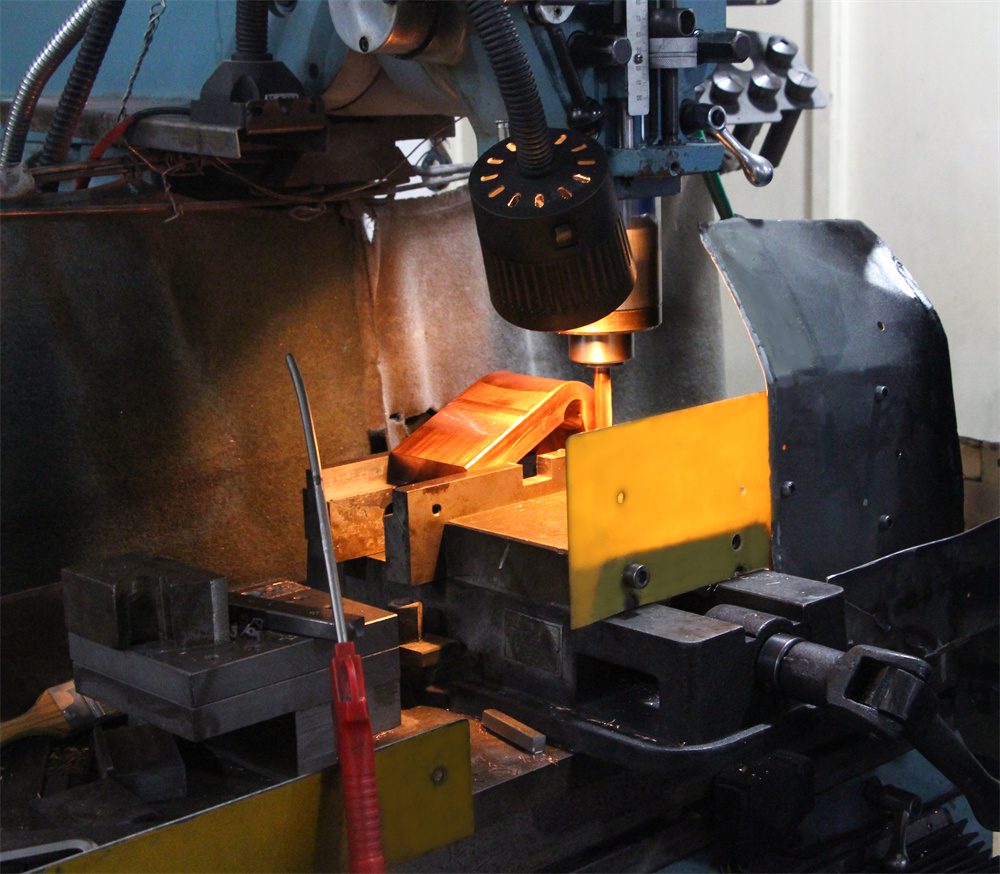
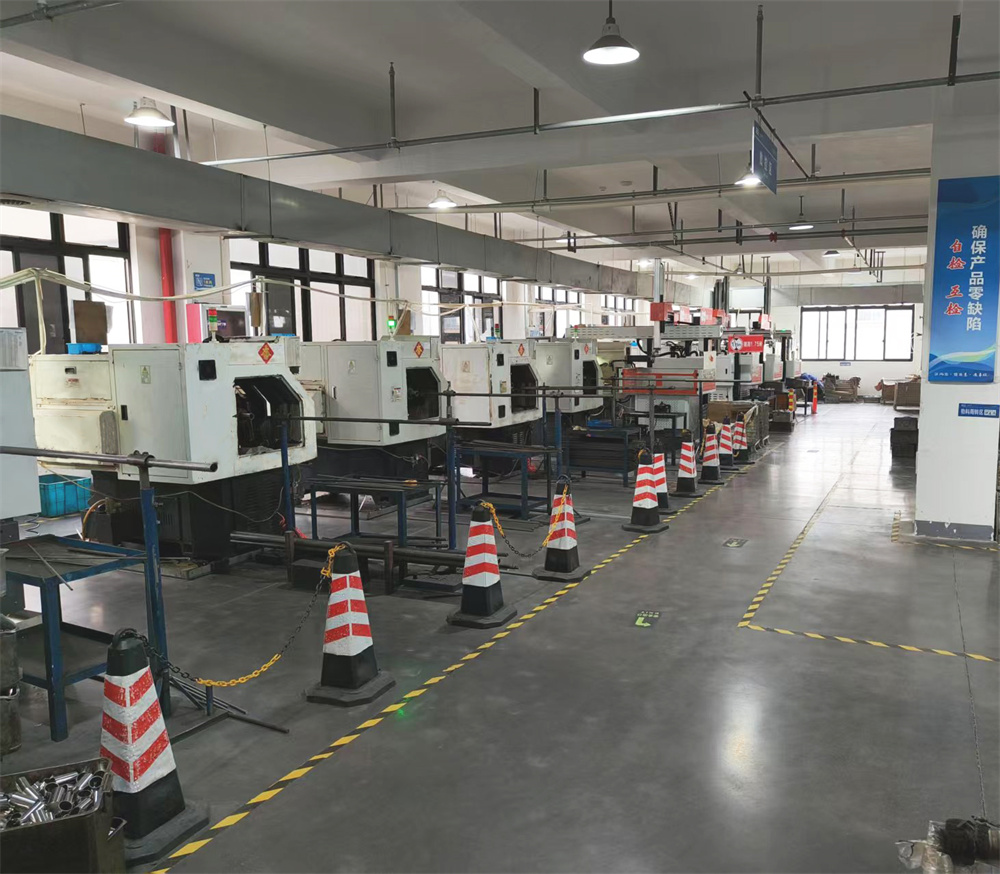
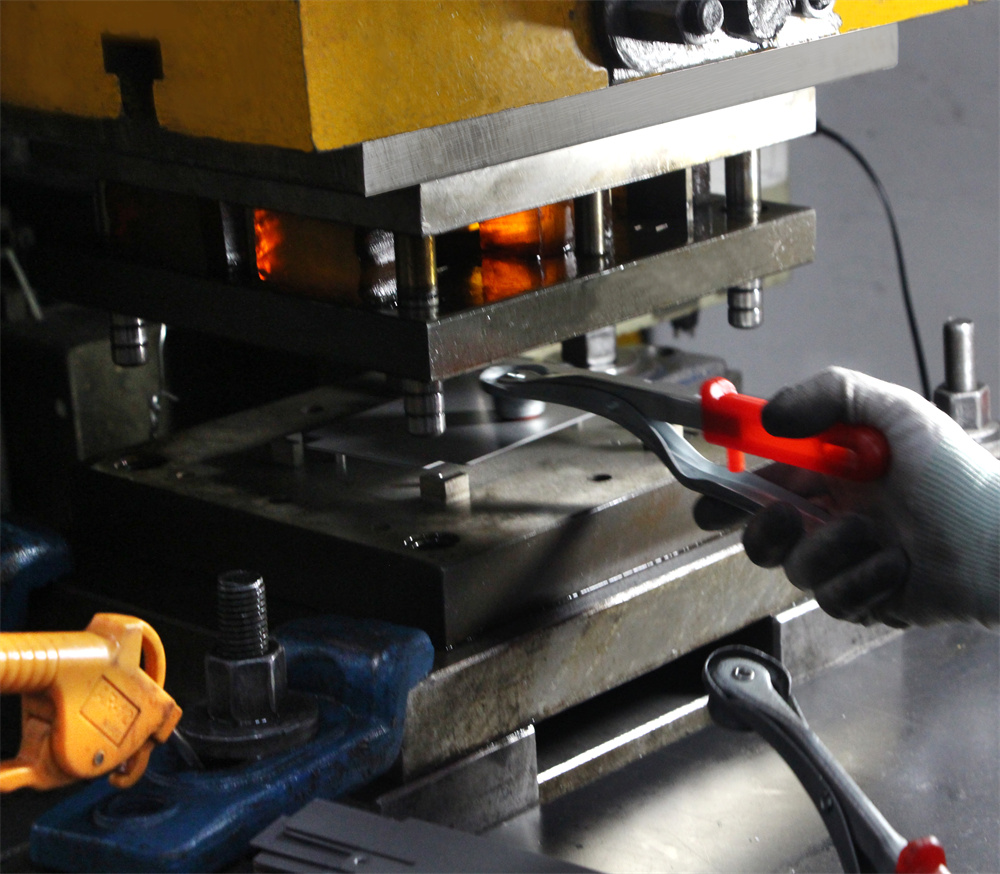
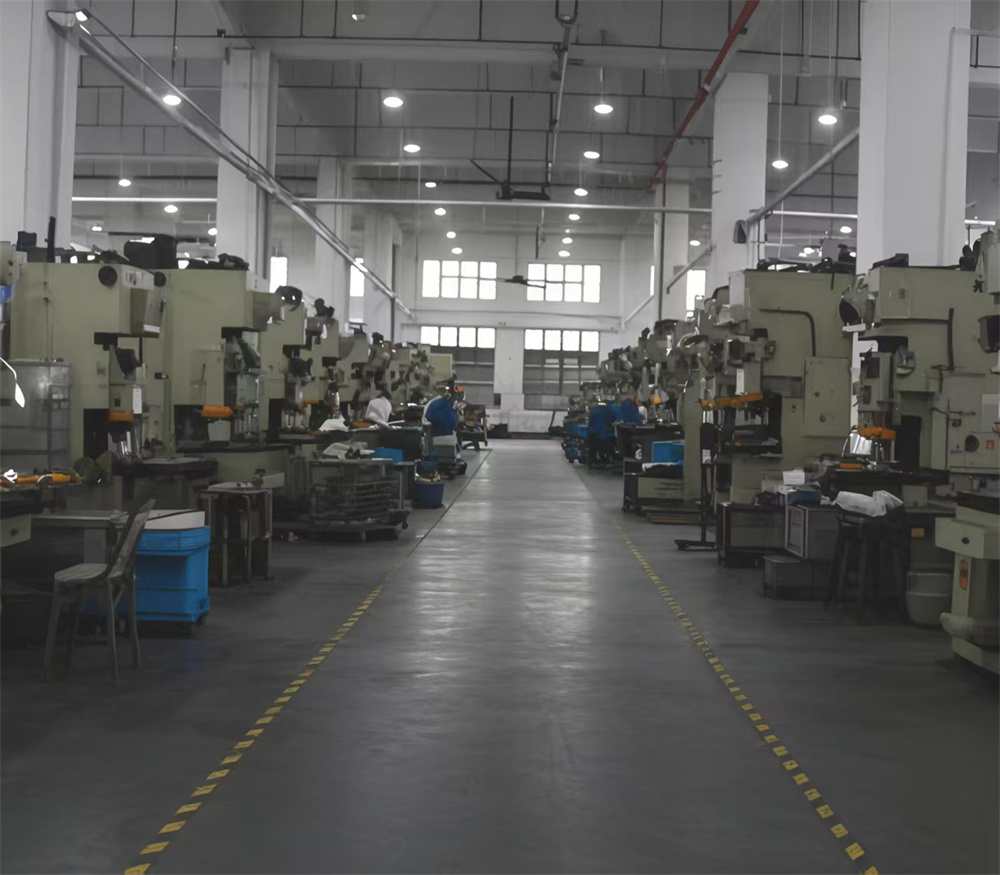
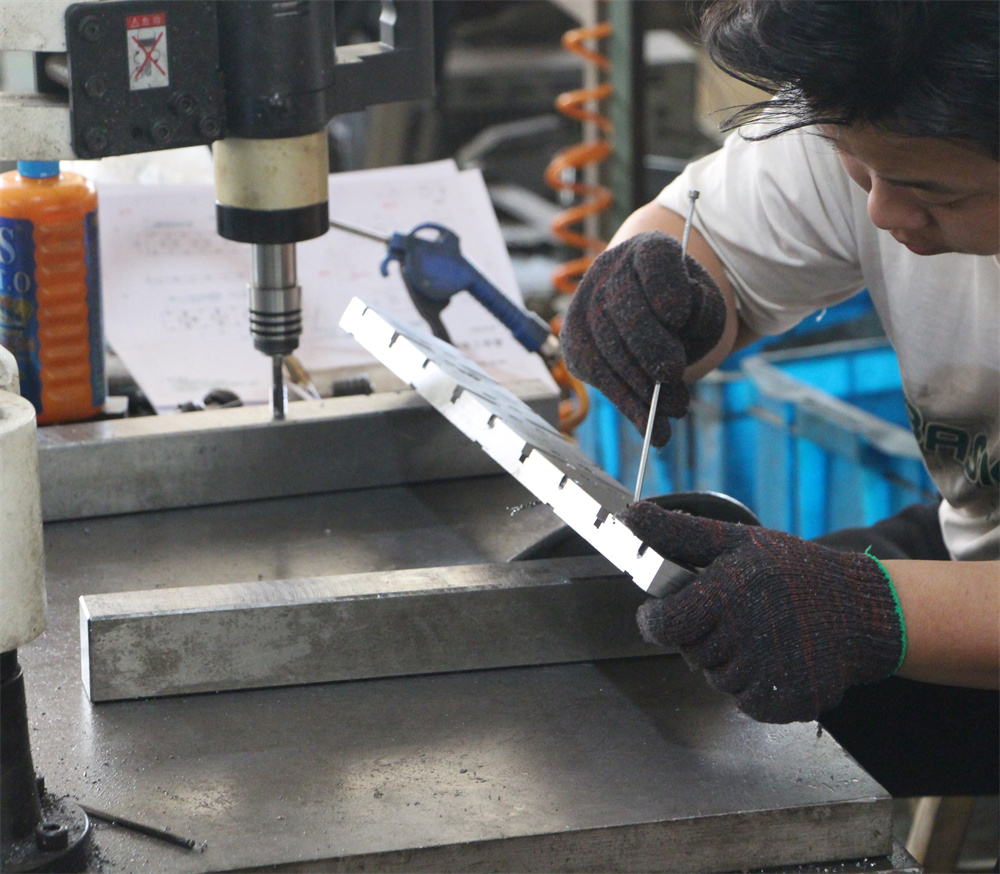
LVMA CNC combines export operations with in-house production capabilities. Our manufacturing capacity covers CNC machining, injection molding, die casting, and stamping, supported by a wide range of established industrial processes. Our operations are governed by a structured quality management system and are ISO 9001 certified.
We process over 100 materials, including copper, steel, aluminum, zinc, and engineering plastics, and supply components for applications in automotive engineering, electrical systems, and furniture hardware.


Partnering with LVMA CNC means accessing two decades of precision manufacturing expertise, combined with modern AI-driven production systems and a global export infrastructure.
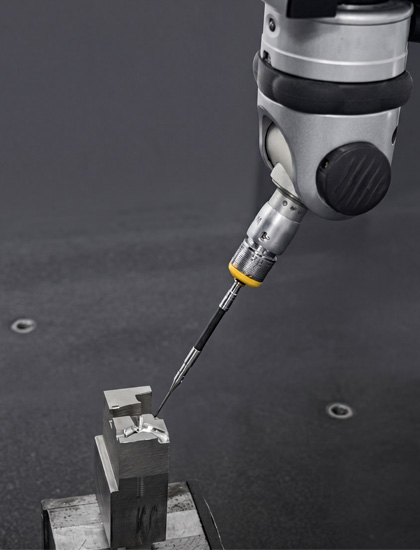
LVMA has a dedicated testing center and a professional QC team. Every injection molded component is inspected against production process standards before shipment โ ensuring customers receive parts that meet or exceed specification every time.
LVMA focuses on non-standard and customized component development, integrating cross-industry technical resources. From consumer electronics enclosures to precision instrument components, our engineering team brings deep application knowledge to every project.
Our international business team offers 7ร24-hour service response with rich experience in cost assessment and export logistics. Our mature delivery system achieves a 99.9% on-time delivery rate to clients across 80+ countries worldwide.
Through our digital operations platform, we provide remote diagnostics, process improvement driven by equipment usage data, and continuous optimization services โ reducing your total production cost throughout the entire product life cycle.
At LVMA CNC, our mission is to drive production line automation through our AI platform, enabling our clients to accelerate product iteration. By seamlessly blending cutting-edge manufacturing technologies with a collaborative network, we provide our customers with solutions characterized by precise delivery, scalable mass production, and rapid iteration capabilities.
For consumer electronics injection molding, dimensional accuracy and material consistency are non-negotiable. LVMA CNC offers both standardized component inspection and tailored inspection solutions to meet the specific requirements of every customer and application.
From raw material tracking to production waste recycling, we have collaborated with upstream and downstream partners to implement multiple carbon reduction plans. Our factory has obtained ISO 14001 certification and is committed to becoming a low-carbon benchmark supplier recognized by customers worldwide.
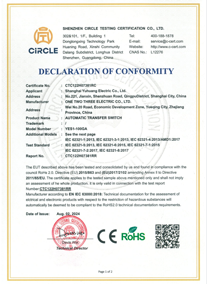
Click for InquiryBacked by ISO 9001, ISO 14001, and ISO 45001 certifications, LVMA CNC guarantees uncompromising quality by providing comprehensive SGS testing, detailed dimensional inspection reports, Material Test Certificates (MTC), and industry-specific CE compliance.


Take a virtual tour of our state-of-the-art injection molding facility โ equipped with advanced machinery, precision tooling, and automated quality inspection systems dedicated to consumer electronics manufacturing.


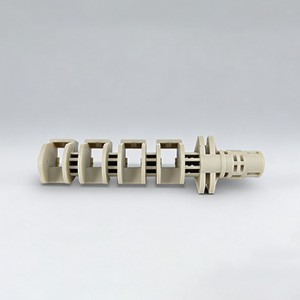
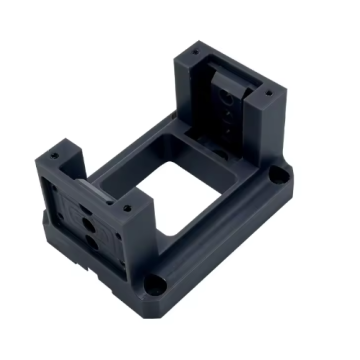
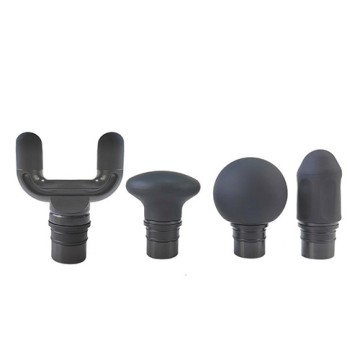
Browse our complete range of injection molded components and assemblies designed for consumer electronics applications โ from waterproof enclosures and precision gears to silicone massage device attachments and structural brackets.