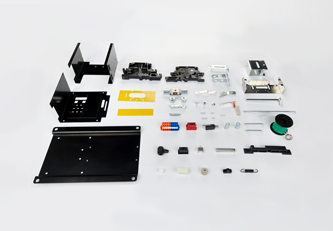
The global robotics market is projected to exceed $260 billion by 2030, driven by accelerating automation in manufacturing, logistics, healthcare, and consumer applications. At the heart of every robot — from a six-axis industrial arm to a surgical assistant — lies a network of precision-engineered spare parts, many of which are produced through injection molding.
Injection molding offers an unmatched combination of design freedom, dimensional accuracy, material versatility, and cost efficiency at scale. For robotics engineers, this translates directly into faster prototyping cycles, consistent part quality across millions of units, and the ability to integrate complex geometries — such as snap-fit joints, internal channels, and multi-material overmolds — that are difficult or impossible to achieve with other manufacturing methods.
Over 65% of structural and enclosure components in commercial robotics platforms are manufactured via injection molding, making it the dominant production method in the robotics supply chain.
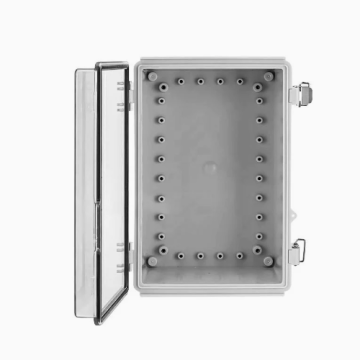
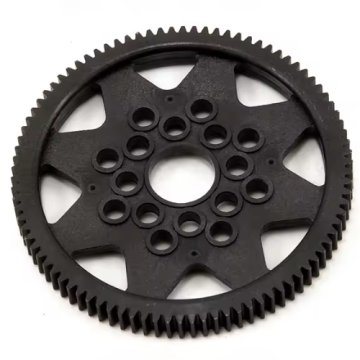
From waterproof housings that protect sensitive electronics in harsh environments, to precision gear sets that transmit motion with minimal backlash, injection molded components are the invisible backbone of modern robotics engineering.
Global factory automation investment reached record highs in 2024, with automotive, electronics, and semiconductor manufacturers deploying robot-intensive production lines. This has created exponential demand for injection molded robot end-effectors, cable management housings, sensor brackets, and joint covers — components that must meet tight tolerances while withstanding continuous mechanical stress.
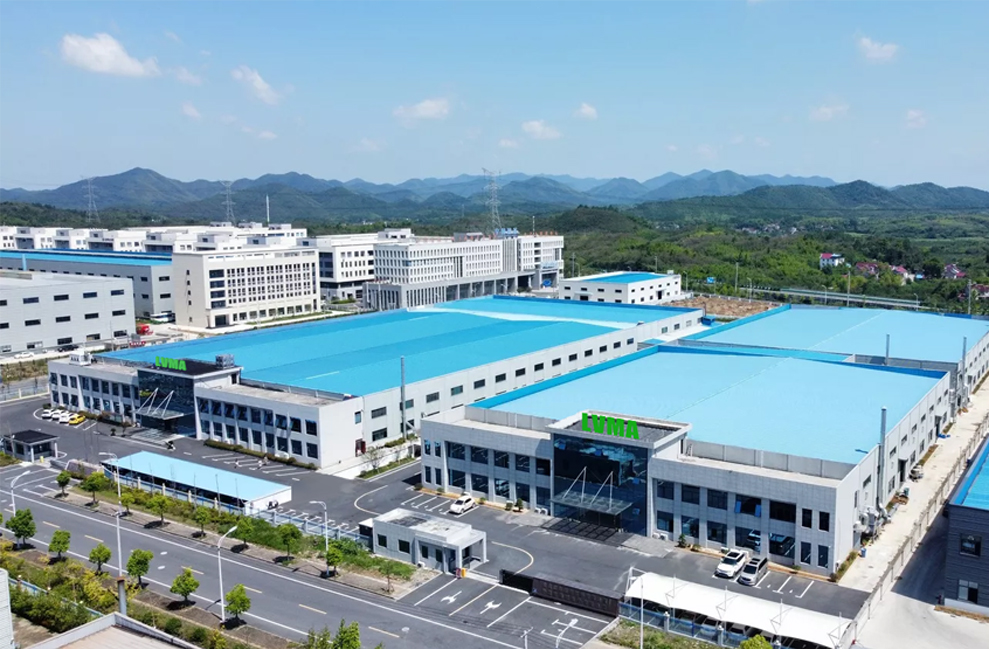
China accounts for over 40% of global injection molded parts production, with clusters in Guangdong, Zhejiang, and Jiangsu specializing in precision robotics components. Manufacturers like LVMA CNC, based in Yueqing, Zhejiang, serve clients in over 80 countries, offering factory-direct pricing with ISO-certified quality management — a combination that is reshaping global robotics supply chains.
The robotics industry is driving a material revolution in injection molding. Traditional ABS and PP are being supplemented — and in many applications replaced — by PEEK, POM, PA66-GF30, and PPS resins that offer superior heat resistance, chemical stability, and mechanical strength. These materials enable injection molded parts to perform reliably in robot joints, actuators, and thermal management systems.
As collaborative robots (cobots) and medical robotics demand ever-smaller components, micro-injection molding has emerged as a critical capability. Parts with features measured in micrometers — micro gears, miniature connectors, and precision sensor housings — require specialized tooling, advanced process control, and rigorous inspection protocols that only experienced manufacturers can consistently deliver.
Post-pandemic supply chain disruptions accelerated a trend toward vertically integrated suppliers — manufacturers who control mold design, injection molding, secondary operations, and quality inspection under one roof. This model reduces lead times, minimizes quality escapes, and provides robotics OEMs with a single point of accountability for critical spare parts.
Leading robotics companies are moving away from transactional purchasing toward strategic supplier partnerships. They seek manufacturers who can co-develop components, provide DFM (Design for Manufacturability) feedback, and scale production in lockstep with product launches — relationships that require deep technical capability and proven quality systems.
The integration of artificial intelligence into injection molding processes is transforming quality control and process optimization. Smart molds equipped with embedded sensors monitor cavity pressure, temperature, and fill patterns in real time, enabling closed-loop process control that virtually eliminates defects. For robotics applications — where a single out-of-spec component can cause system failure — this level of process intelligence is invaluable.
LVMA CNC's AI platform drives production line automation, enabling rapid iteration and consistent quality across high-volume robotics component orders. Our digital manufacturing infrastructure connects design, tooling, molding, and inspection in a seamless workflow that reduces time-to-market by up to 40%.
AI-powered defect detection systems can identify surface defects, dimensional deviations, and internal voids in injection molded parts with 99.7% accuracy — far exceeding traditional manual inspection methods.
Generative design tools are also enabling robotics engineers to specify injection molded components with topology-optimized geometries that maximize strength-to-weight ratios — critical for battery-powered autonomous robots where every gram of weight reduction extends operational range.
Additive manufacturing is increasingly used for rapid mold prototyping, allowing robotics teams to validate injection molded part designs in days rather than weeks. This hybrid approach — 3D printed prototype molds followed by production steel tooling — is accelerating the development cycles of next-generation robotics platforms.
Injection molded nylon and PEEK joint covers, cable routing guides, and end-effector housings protect internal mechanisms from metal chips, coolant, and thermal stress in CNC machining and welding environments. Precision gear sets molded from POM deliver the low-backlash motion transmission that robotic welding and assembly applications demand.
Collaborative robots operating alongside humans require injection molded outer shells with specific hardness profiles, impact absorption characteristics, and surface finishes that minimize injury risk. ABS and TPE overmolded components provide the tactile properties and aesthetic quality that cobot manufacturers demand for consumer-facing deployments.
Medical-grade injection molded parts for surgical robots must meet FDA and CE regulatory requirements, withstand repeated autoclave sterilization cycles, and maintain dimensional stability under surgical loads. Materials such as PSU, PPSU, and medical-grade PC are injection molded to micron-level tolerances for robotic surgical instrument components.
Autonomous Mobile Robots (AMRs) deployed in e-commerce fulfillment centers rely on injection molded chassis panels, wheel covers, LiDAR sensor housings, and battery compartment enclosures. These parts must withstand continuous 24/7 operation, floor-level impacts, and the electromagnetic environment of busy warehouse floors — requirements that demand both material expertise and process consistency.
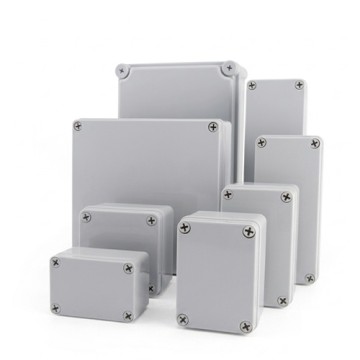
Agricultural robots operating in fields and greenhouses face UV exposure, moisture, dust, and temperature extremes. ABS injection molded waterproof enclosures with IP67 or IP68 ratings protect electronic control systems, battery management units, and sensor arrays — enabling reliable operation across seasons and climates. Our custom waterproof junction boxes are already deployed in precision agriculture robotics globally.
Unmanned aerial and ground vehicles for inspection, surveillance, and defense applications demand injection molded structural components that minimize weight while maximizing rigidity. Carbon-fiber-reinforced nylon and glass-filled PP components produced through precision injection molding deliver the structural performance of metals at a fraction of the weight — directly extending mission endurance.


LVMA CNC was established in 2018 as an integrated division focused on parts machining and export services. Our own factory, founded in 2004, contributes more than 20 years of experience in precision manufacturing.
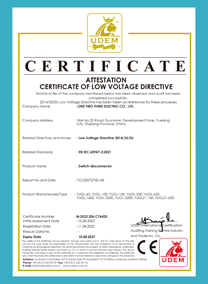
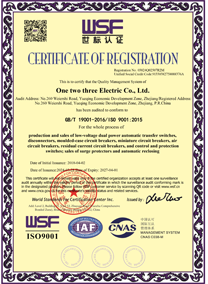
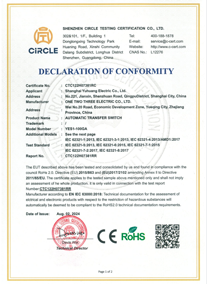
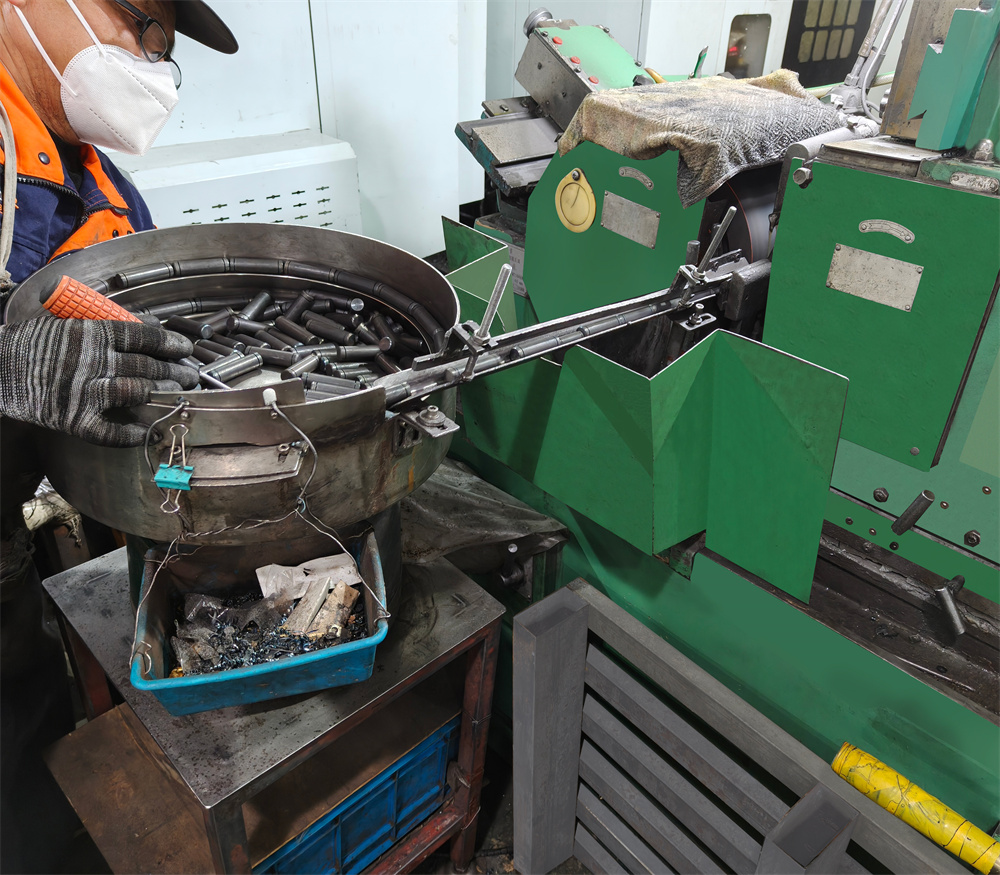
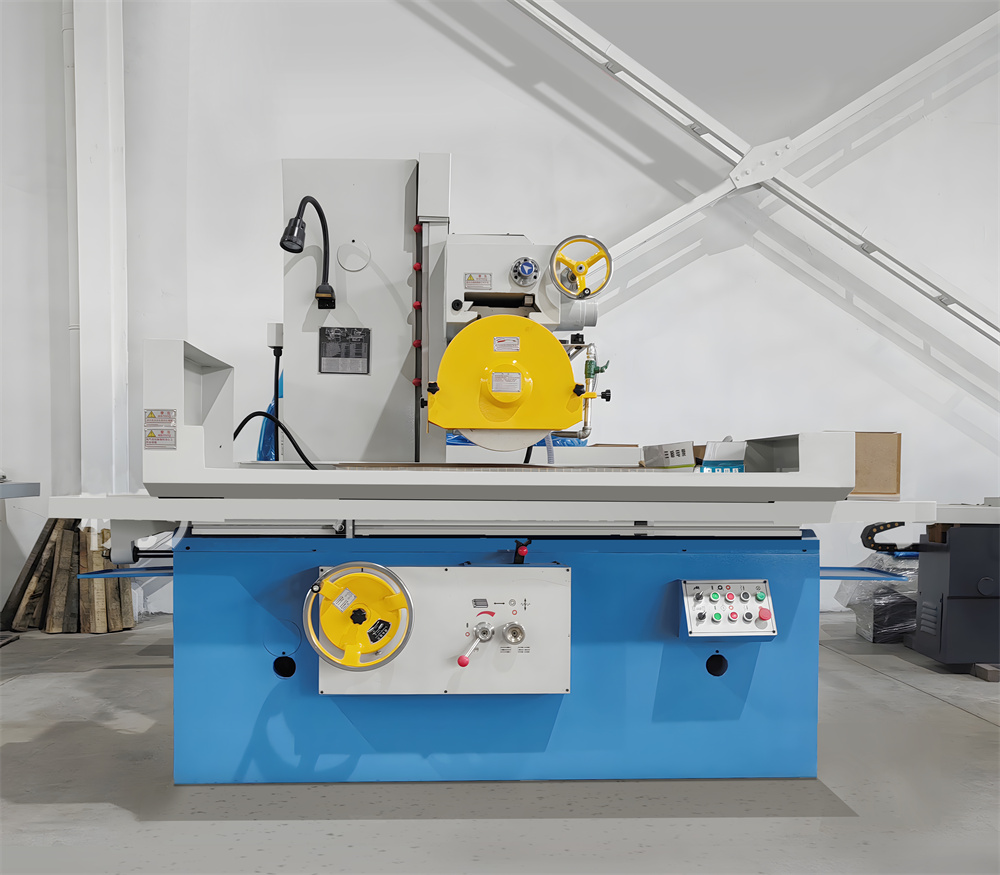
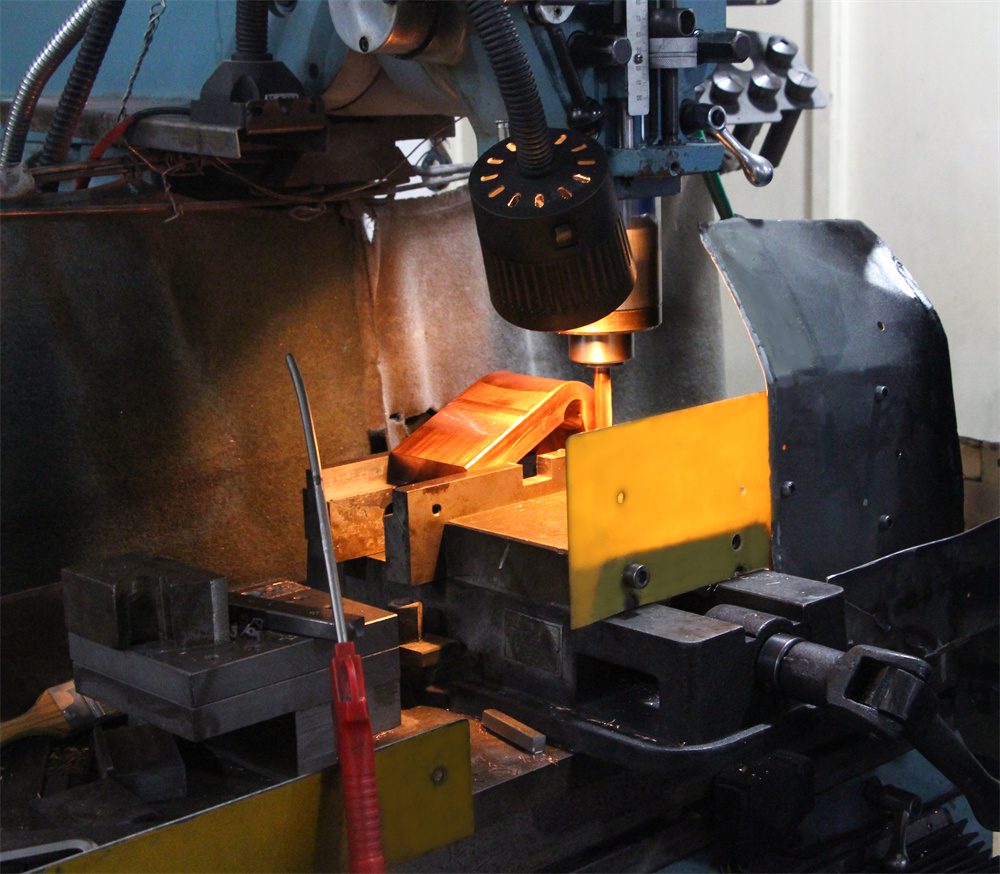
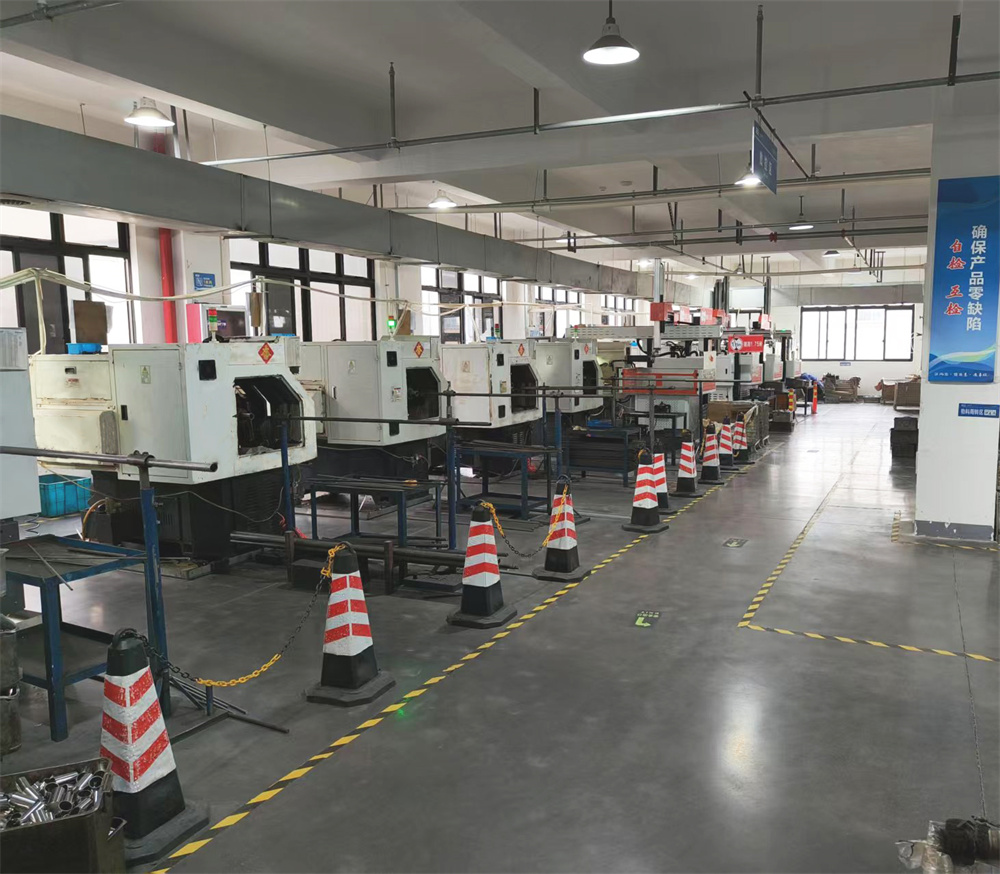
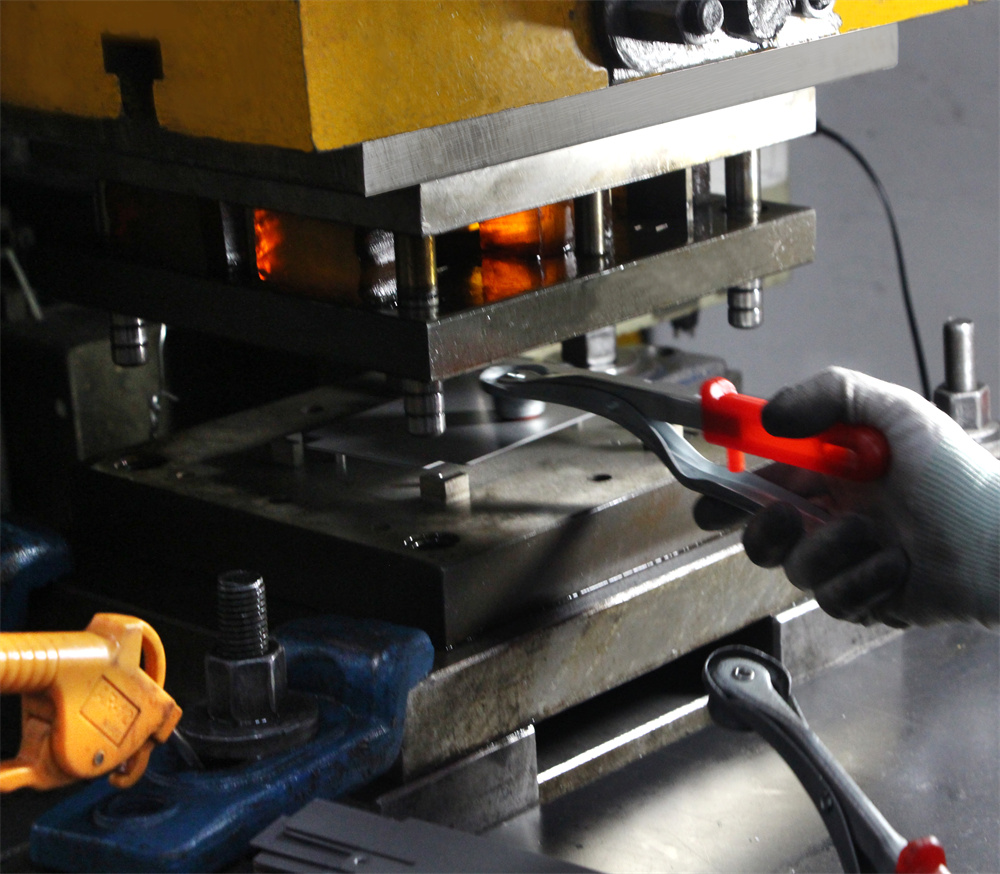
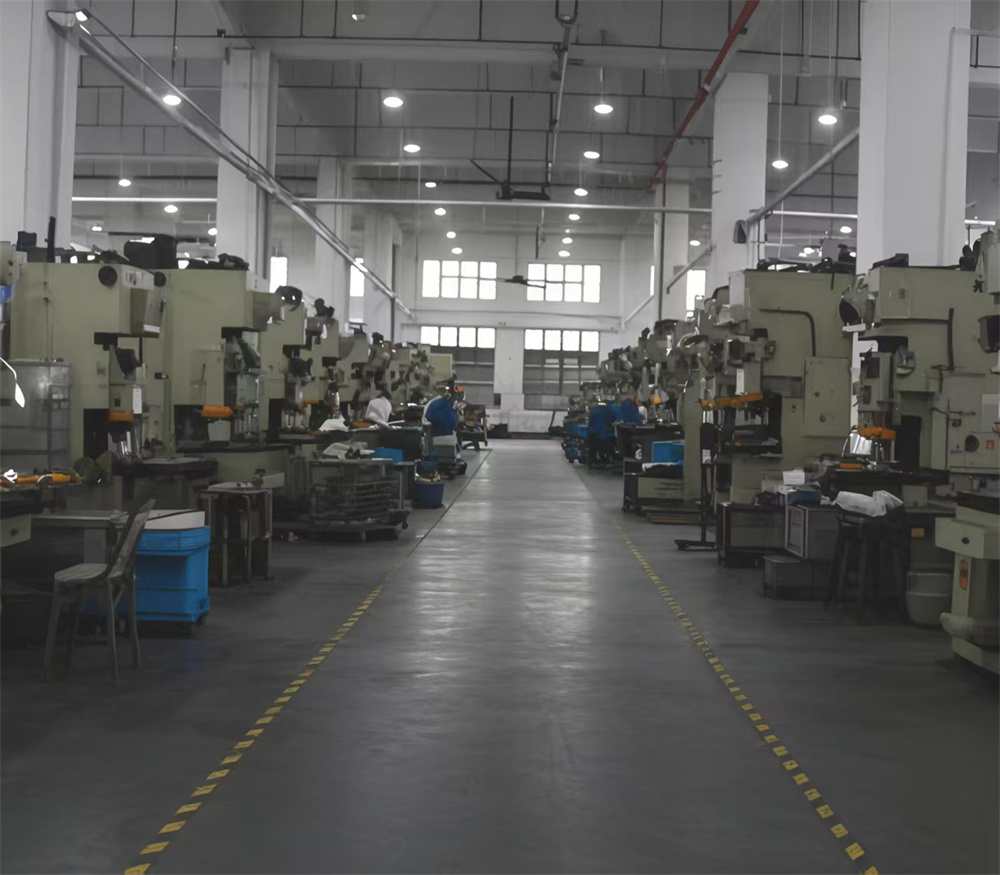
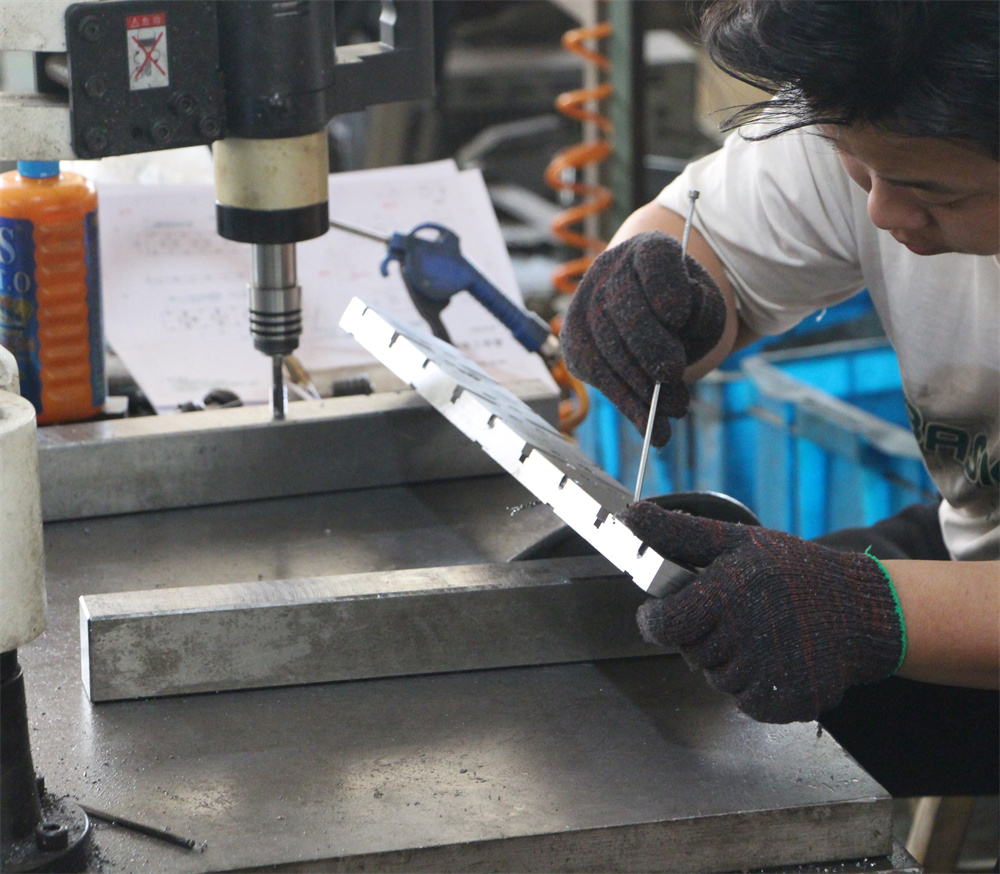
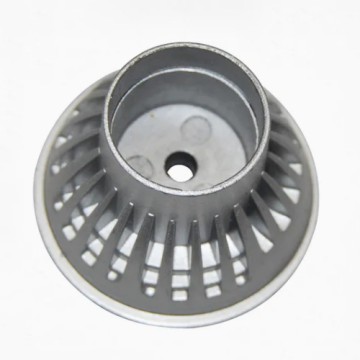
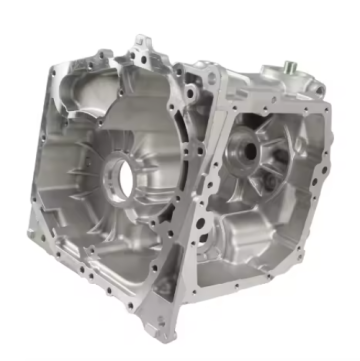
LVMA CNC combines export operations with in-house production capabilities. Our manufacturing capacity covers CNC machining, injection molding, die casting, and stamping, supported by a wide range of established industrial processes. Our operations are governed by a structured quality management system and are ISO 9001 certified.
We process over 100 materials, including copper, steel, aluminum, zinc, and engineering plastics, and supply components for applications in automotive engineering, electrical systems, robotics engineering, and furniture hardware.
For robotics engineering clients, we offer dedicated project management, DFM consultation, and rapid tooling services — ensuring that your injection molded spare parts meet specification from the very first production run.
Learn More About LVMA CNCRobotics engineering demands zero-defect components. A single out-of-tolerance injection molded gear or a housing with inadequate IP sealing can cause system failure, production downtime, or — in safety-critical applications — personal injury. LVMA CNC's full-cycle quality assurance system is designed to eliminate these risks at every stage of production.
LVMA CNC offers standardized component inspection as well as tailored inspection solutions:
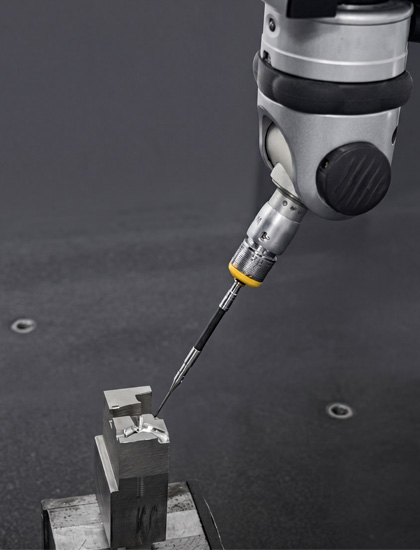
Our CMM (Coordinate Measuring Machine) inspection capability ensures that complex injection molded geometries — including curved surfaces, internal features, and fine thread forms — are verified to micron-level accuracy before shipment. Every robotics component leaves our facility with full traceability documentation.
Get a Quality Quote
LVMA has a dedicated testing center and professional quality team. All injection molded robotics components are inspected against production process standards before shipment, ensuring customers receive parts that perform exactly as specified.
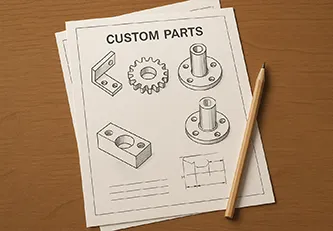
LVMA focuses on non-standard and custom component development, integrating cross-industry technical resources to meet the design requirements of robotics, automotive, precision instruments, and industrial hardware — bringing multi-sector expertise to every robotics project.
Our experienced business team offers 7×24-hour service response, expert cost assessment, and a mature logistics system with 99.9% on-time delivery rate — giving robotics OEMs worldwide the supply chain reliability they need to maintain production schedules.
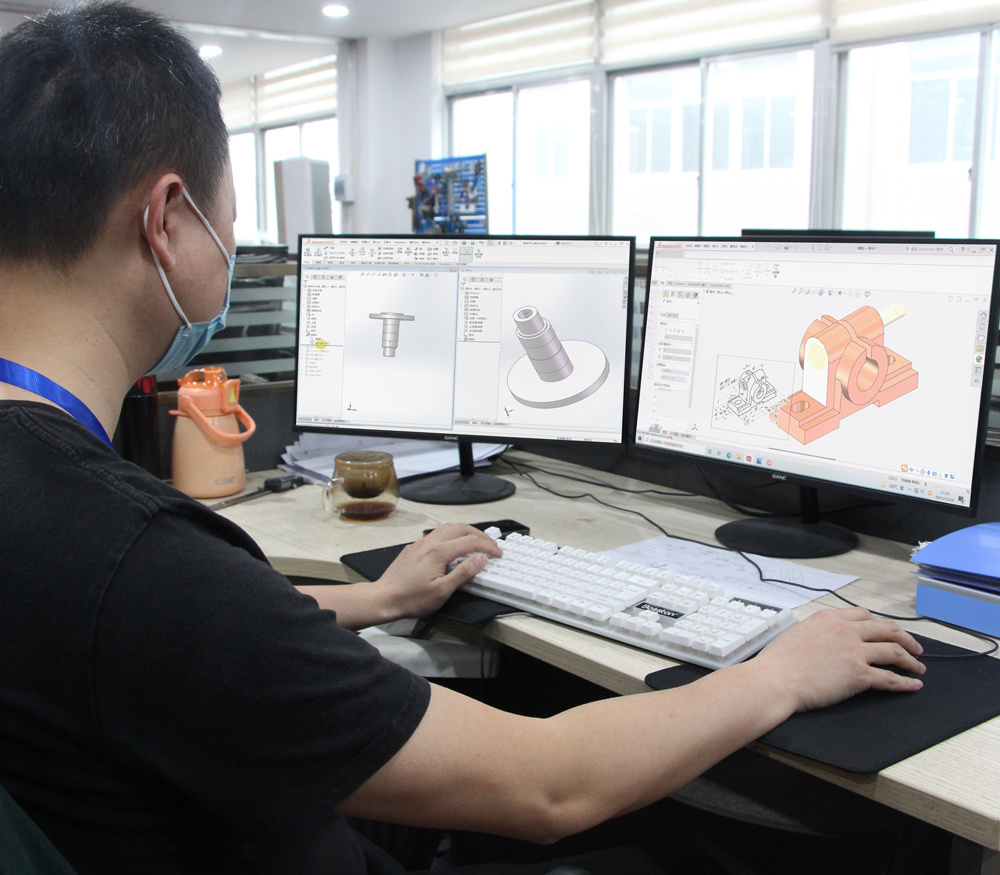
Through our digital operation platform, we provide remote diagnostics, process improvement driven by equipment usage data, and continuous optimization — reducing total production costs and supporting robotics customers throughout the entire product life cycle, from prototype to mass production.


Our factory is established and located in Yueqing, China.
One Two Three Electric Co., Ltd. continues to innovate, introducing custom components for high-end electrical products.
One Two Three Electric Co., Ltd. has commenced the mass customization of stamping parts, CNC machining parts, and injection molded parts.
The factory has reached the milestone of an annual production volume of five million custom parts.
LVMA CNC has been officially established, specializing in the export of custom CNC parts, sheet metal components, and injection-molded parts.
LVMA CNC provides custom machining services to clients in over 80 countries worldwide.
From raw material tracking to production waste recycling, we have collaborated with upstream and downstream partners to implement multiple carbon reduction plans. Our factory has obtained ISO 14001 certification and is committed to becoming a low-carbon benchmark supplier recognized by customers — supporting the robotics industry's transition to greener, more responsible manufacturing.
Click for Inquiry