The global medical device die casting market is projected to exceed USD 6.8 billion by 2028, growing at a CAGR of over 7.2%. Increasing demand for minimally invasive surgical instruments, portable diagnostic equipment, and implantable device housings is driving unprecedented growth in precision die casting mold requirements.
Medical device die casting molds must comply with FDA 21 CFR Part 820, ISO 13485, and EU MDR 2017/745 regulations. These standards mandate rigorous material traceability, dimensional consistency, and biocompatibility testing — making certified die casting suppliers indispensable partners for medical OEMs worldwide.
Advanced medical-grade aluminum alloys (A380, A356), zinc alloys (Zamak series), and magnesium alloys are increasingly adopted in medical die casting. These materials offer exceptional strength-to-weight ratios, corrosion resistance, and EMI shielding properties critical for diagnostic imaging, patient monitoring, and surgical robotics applications.
Die casting molds produce near-net-shape components with tolerances as tight as ±0.02mm, reducing post-machining requirements by up to 60% compared to traditional methods. For high-volume medical device production, this translates directly into lower per-unit costs, faster time-to-market, and more consistent quality — critical factors when patient safety is the top priority.
Precision die casting molds produce lightweight yet rigid housings for powered surgical tools, laparoscopic instruments, and robotic surgery end-effectors. Aluminum die castings achieve wall thicknesses below 1.5mm while maintaining structural integrity under sterilization cycles exceeding 1,000 autoclave treatments at 134°C.
MRI, CT scanner, and ultrasound device manufacturers rely on die casting molds for complex structural frames, detector array housings, and EMI shielding enclosures. Magnesium alloy die castings offer 33% weight reduction versus aluminum while providing superior vibration damping — essential for high-resolution imaging accuracy.
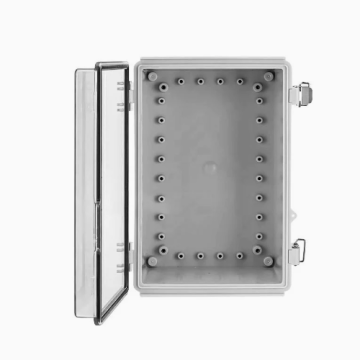
Wearable and bedside patient monitoring devices demand die cast enclosures that are simultaneously lightweight, impact-resistant, and IP67-rated for fluid ingress protection. Custom die casting molds with integrated gasket channels and connector ports eliminate secondary assembly steps, reducing device assembly time by up to 40%.
Titanium and medical-grade zinc alloy die casting molds produce hermetically sealed housings for cardiac pacemakers, cochlear implants, and neurostimulators. These components must pass rigorous biocompatibility testing per ISO 10993, with surface roughness values of Ra ≤ 0.8μm to prevent bacterial adhesion in implanted environments.
High-throughput PCR machines, automated hematology analyzers, and robotic sample handling systems utilize die cast aluminum frames and module housings. The dimensional repeatability of precision die casting molds ensures ±0.05mm positional accuracy across thousands of production units — critical for automated assay calibration and result reproducibility.
Smart infusion pumps and drug delivery device manufacturers require die cast housings with integrated mounting features, precise motor cavities, and fluid-tight sealing surfaces. Multi-cavity die casting molds enable simultaneous production of 8–16 identical components per cycle, supporting the high-volume demands of hospital procurement contracts.
Artificial intelligence and machine learning algorithms are now being applied to die casting mold flow simulation, gate location optimization, and thermal management design. AI-assisted mold design reduces iteration cycles from weeks to days, cuts tooling costs by 15–25%, and predicts defect formation with over 92% accuracy before the first steel is cut.
The miniaturization trend in wearable medical devices, ingestible sensors, and nano-scale surgical tools is driving demand for micro die casting molds capable of producing components with feature sizes below 0.3mm. Advanced EDM and high-speed CNC machining of H13 tool steel enables mold cavities with surface finishes of Ra 0.1μm or better.
Conformal cooling channel networks, previously impossible with conventional drilling, are now produced via metal 3D printing integrated into die casting mold inserts. Conformal cooling reduces cycle times by 20–35% and improves dimensional consistency across high-volume medical device production runs — directly impacting cost-per-part economics.
Leading medical device manufacturers now require die casting operations performed in ISO Class 7 or Class 8 cleanroom environments to prevent particulate contamination of critical components. Enclosed die casting cells with HEPA filtration, robotic part extraction, and automated cleaning stations are becoming standard requirements in medical supplier qualification audits.
Digital twin technology creates virtual replicas of die casting molds and production processes, enabling real-time monitoring of injection pressure, fill velocity, and solidification patterns. Integrated IoT sensors in mold cavities transmit data to cloud platforms, triggering automatic process adjustments that maintain Cpk values above 1.67 for critical medical device dimensions.
Environmental regulations and ESG commitments from major medical device OEMs are accelerating adoption of recycled aluminum alloys, energy-efficient die casting machines with servo-hydraulic systems, and closed-loop water cooling. Life cycle assessments show that optimized die casting mold processes can reduce CO₂ emissions per component by up to 42% versus baseline benchmarks.
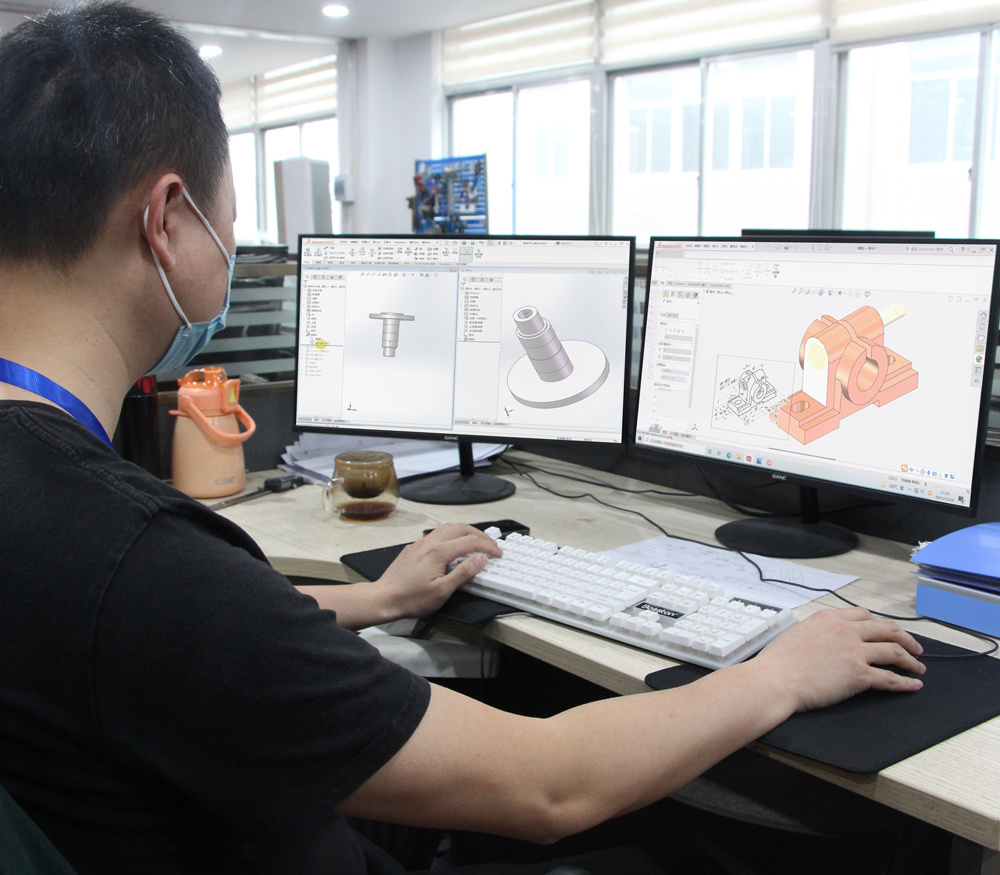
CAD/CAE-based design for manufacturability review, mold flow simulation, and biocompatibility material selection for medical applications.
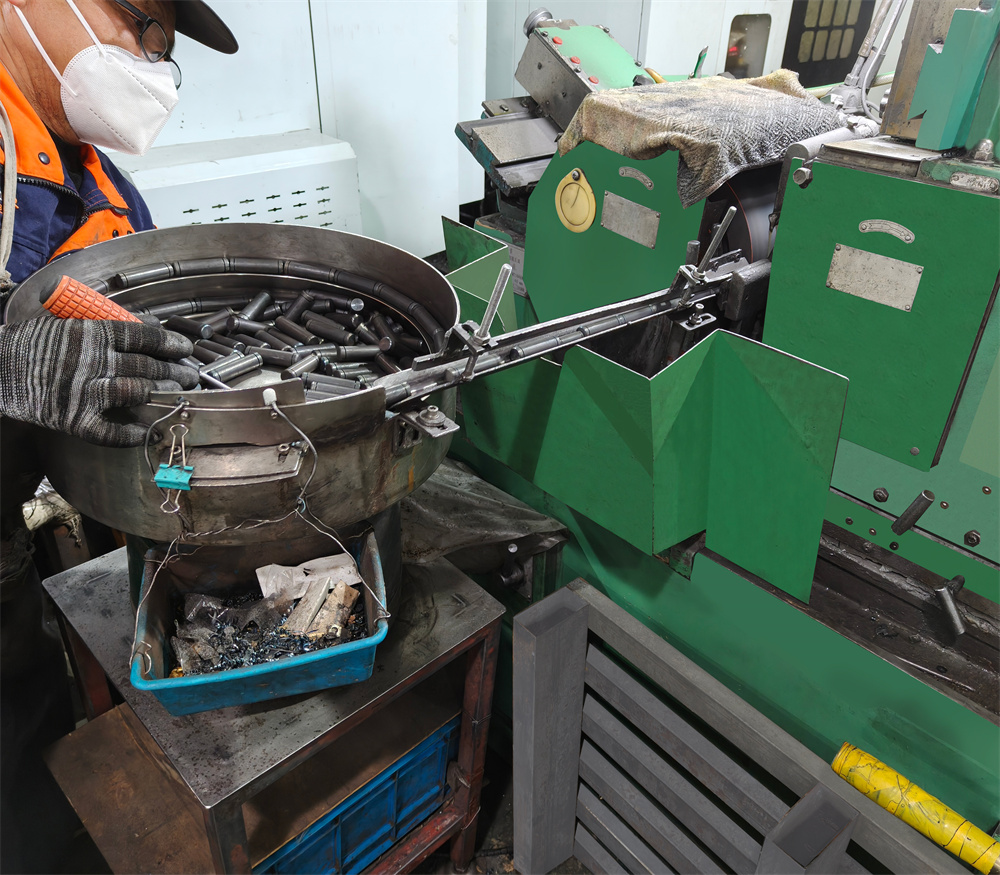
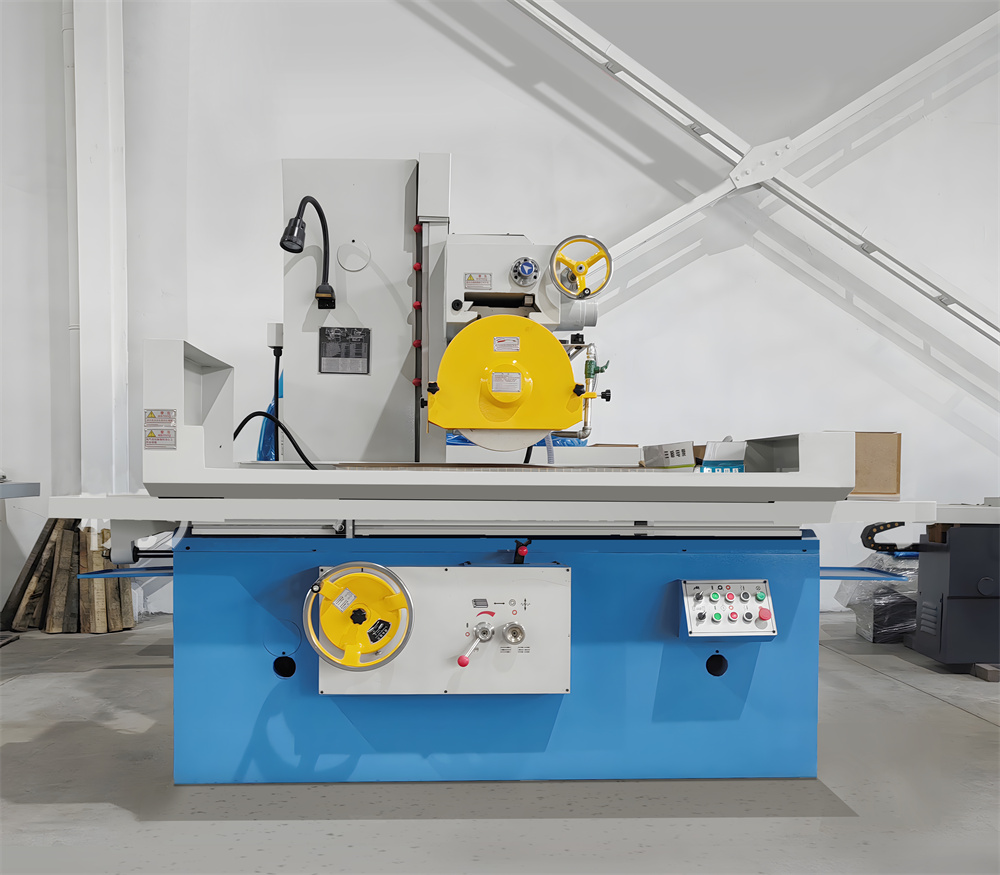
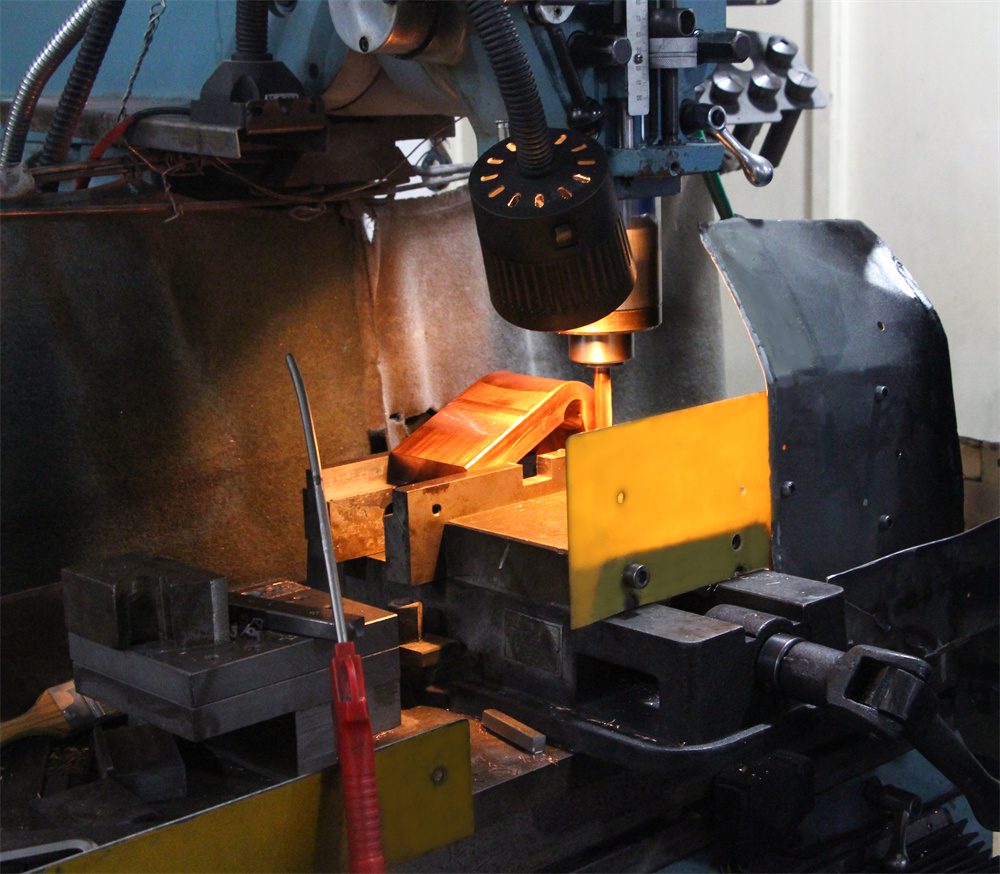
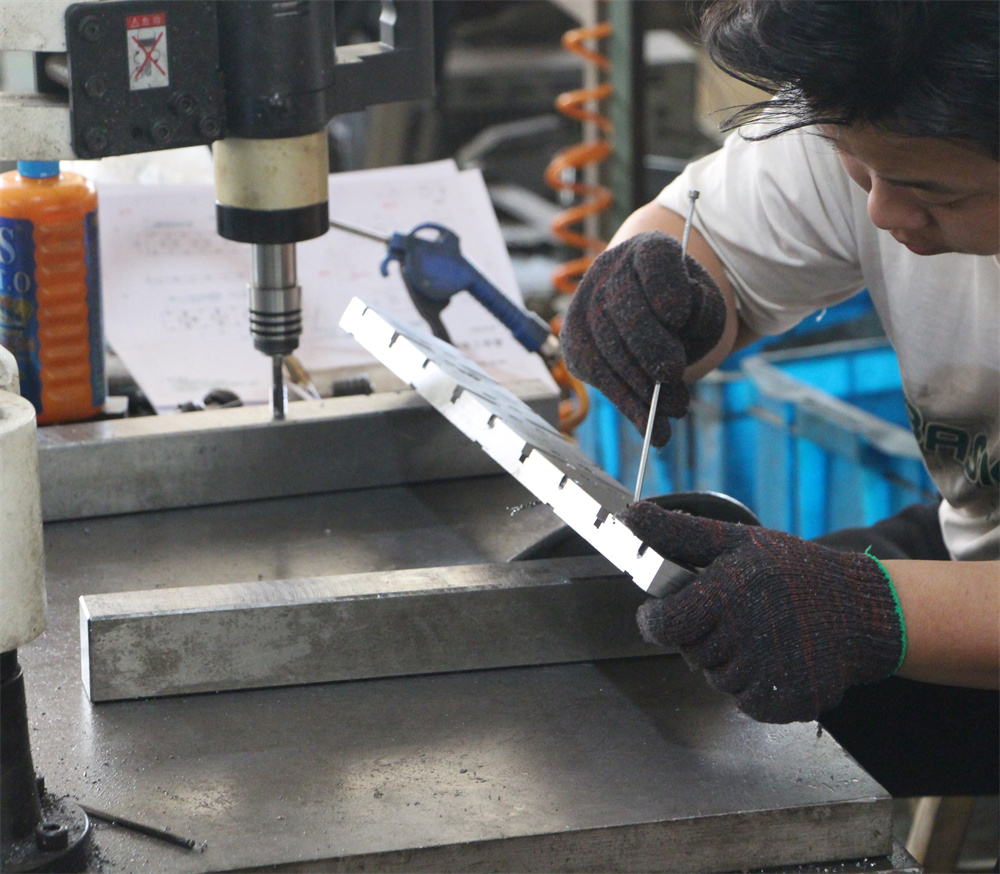
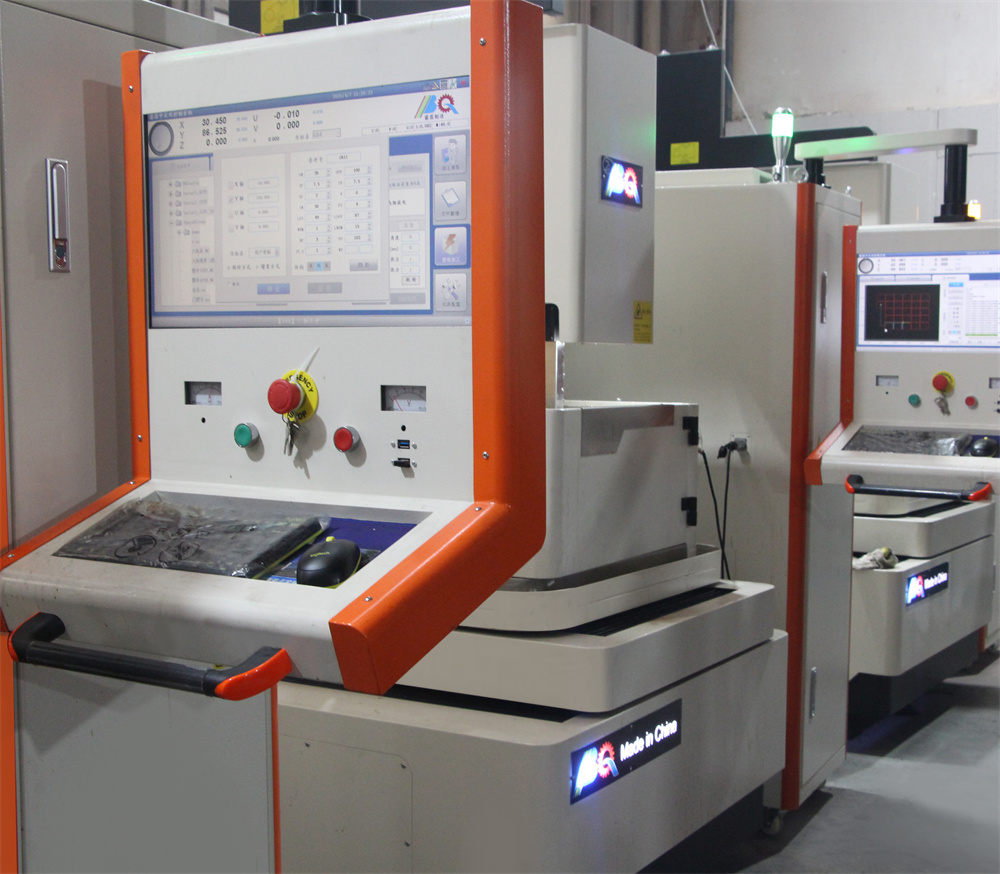
High-speed CNC milling, EDM spark erosion, and wire-cutting of H13/P20 tool steel with surface hardness up to HRC 52.
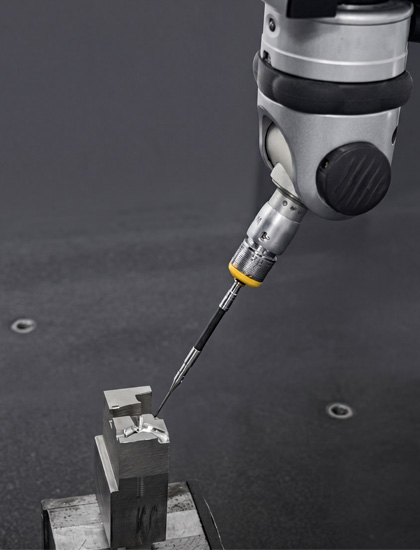
T1 sample production, CMM dimensional inspection, X-ray porosity testing, and first article inspection reports per AS9102 standards.
Full-cycle SPC monitoring, automated vision inspection, material test certificates, and complete traceability documentation for medical device compliance.
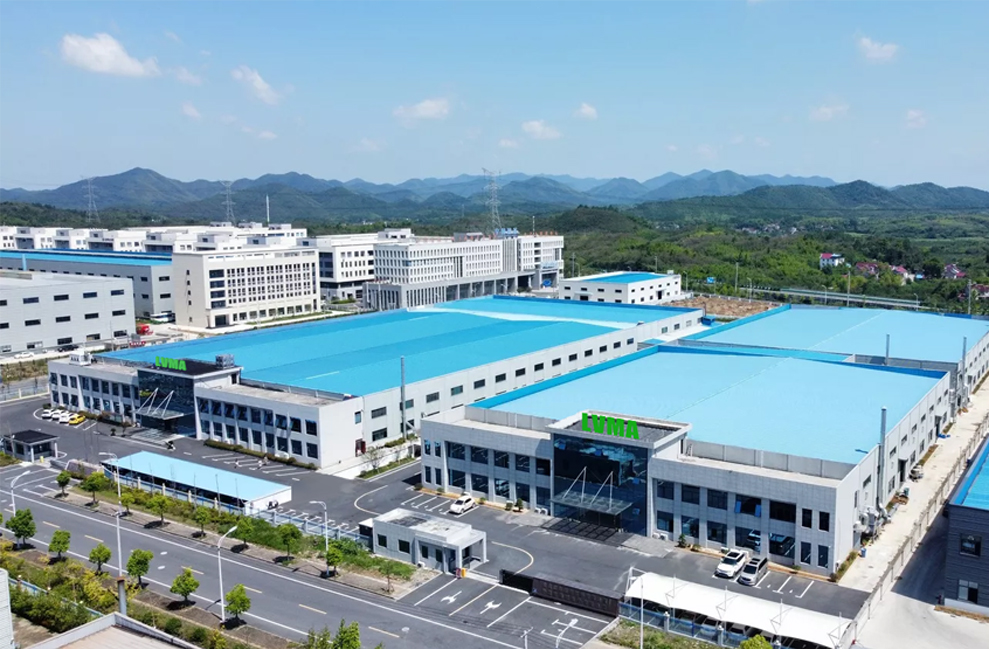
LVMA CNC was established in 2018 as an integrated division focused on parts machining and export services. Our own factory, founded in 2004, contributes more than 20 years of experience in precision manufacturing.
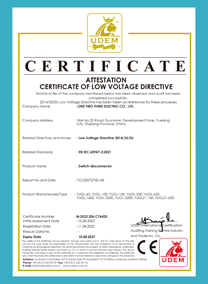
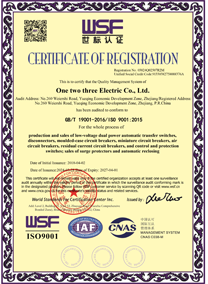
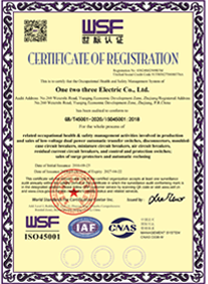
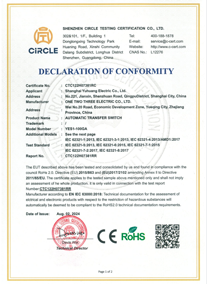
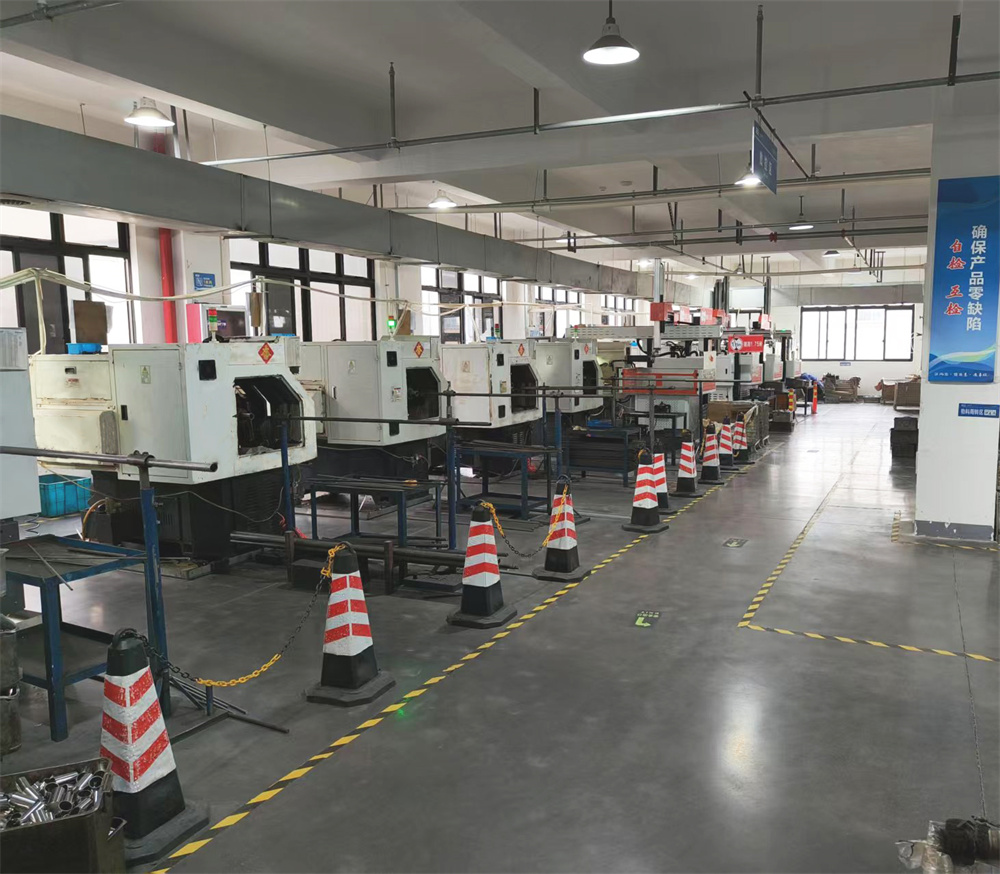
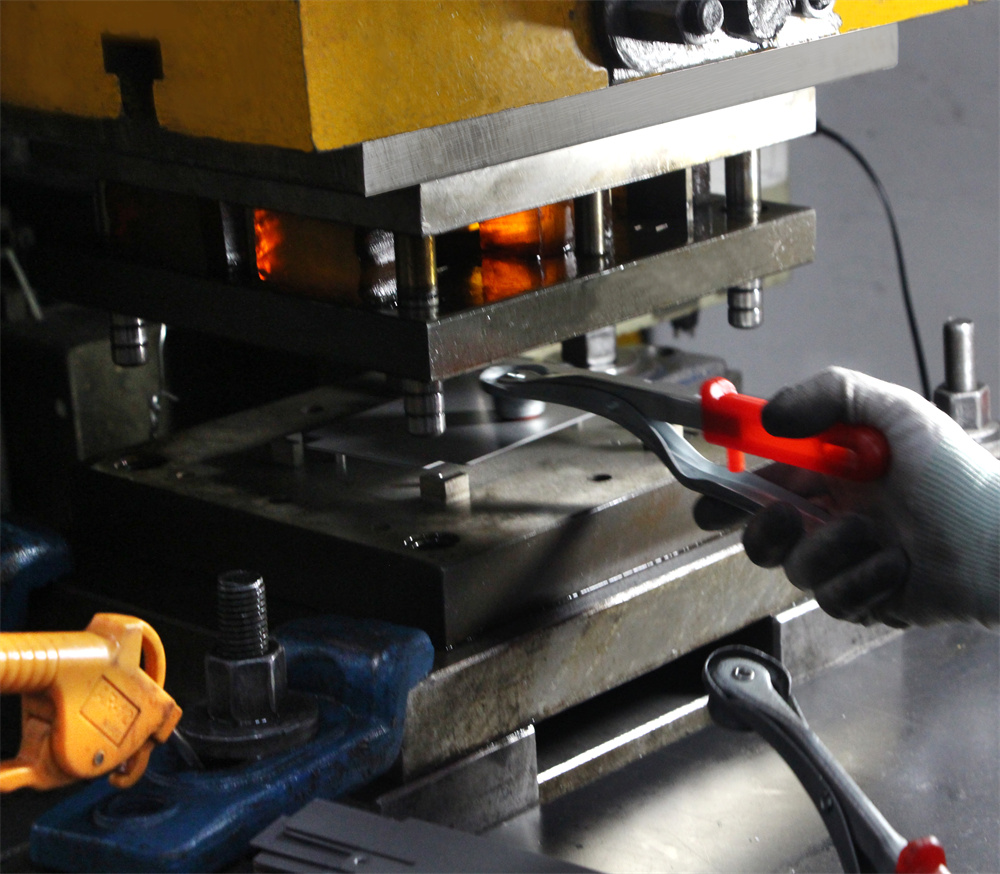
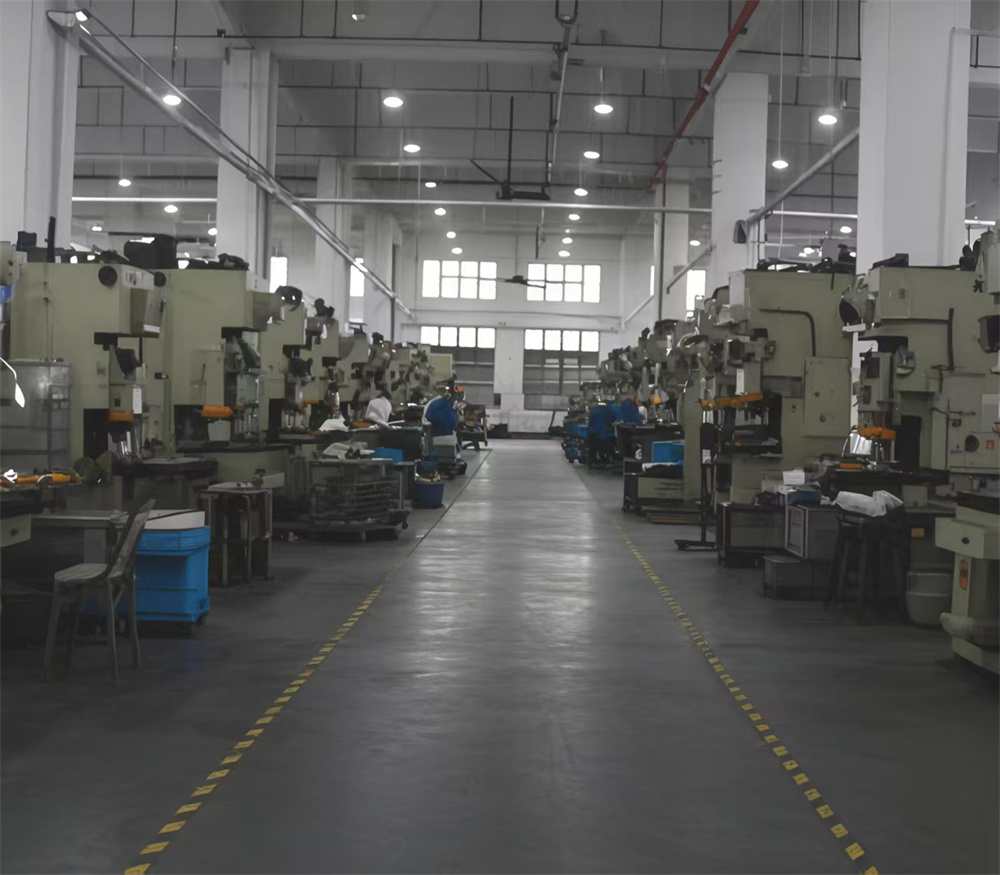
LVMA CNC combines export operations with in-house production capabilities. Our manufacturing capacity covers CNC machining, injection molding, die casting, and stamping, supported by a wide range of established industrial processes. Our operations are governed by a structured quality management system and are ISO 9001 certified.
We process over 100 materials, including copper, steel, aluminum, zinc, and engineering plastics, and supply components for applications in automotive engineering, electrical systems, and furniture hardware.


At LVMA CNC, our mission is to drive production line automation through our AI platform, enabling our clients to accelerate product iteration. By seamlessly blending cutting-edge manufacturing technologies with a collaborative network, we provide our customers with solutions characterized by precise delivery, scalable mass production, and rapid iteration capabilities.
LVMA CNC offers standardized component inspection as well as tailored inspection solutions. Our comprehensive quality assurance framework covers every stage of the die casting mold manufacturing process — from incoming material verification to final dimensional validation.
LVMA has a dedicated testing center and a professional testing team. All die casting mold products are inspected and qualified according to production process standards before leaving the factory, ensuring that customers receive satisfactory, compliant medical-grade components every time.
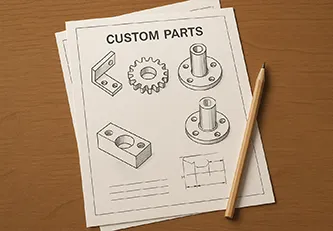
LVMA focuses on the development of non-standard parts and customized components, integrating cross-industry technical resources to meet the design requirements of medical devices, automotive parts, precision instruments, hardware and furniture, and more — bringing versatile expertise to every medical die casting project.
Our professional business team has rich experience in cost calculation and assessment. With customer development as the corporate culture, we offer 7×24-hour service response. We maintain a mature delivery system and the logistics on-time delivery rate reaches 99.9% — critical for medical device production schedules.
By providing remote diagnosis services through a digital operation platform, based on the data of equipment usage, process improvement is driven and continuously optimized to reduce production costs. From mold design to end-of-life mold maintenance, we support the complete lifecycle of your medical device die casting program.
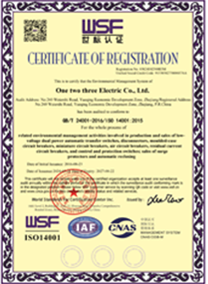
From raw material tracking to production waste recycling, we have collaborated with upstream and downstream partners to implement multiple carbon reduction plans. Our factory has obtained ISO 14001 certification and is committed to becoming a low-carbon benchmark supplier recognized by customers worldwide.
Click for Inquiry