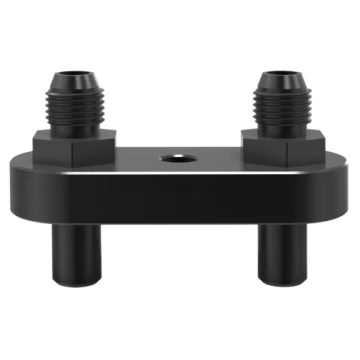
Precision-machined components engineered for robotic joints, actuator housings, servo motor mounts, and structural frames โ built to the tightest tolerances your automation system demands.
As robotics transitions from controlled factory floors to dynamic real-world environments, the demand for ultra-precise, lightweight, and structurally robust components has never been greater.
The global industrial robotics market surpassed $20 billion in 2024 and is projected to reach $43 billion by 2030. Every robot arm, delta robot, and SCARA system relies on dozens of CNC-milled structural and functional parts โ from base frames to end-effector flanges โ demanding tolerances as tight as ยฑ0.005 mm.
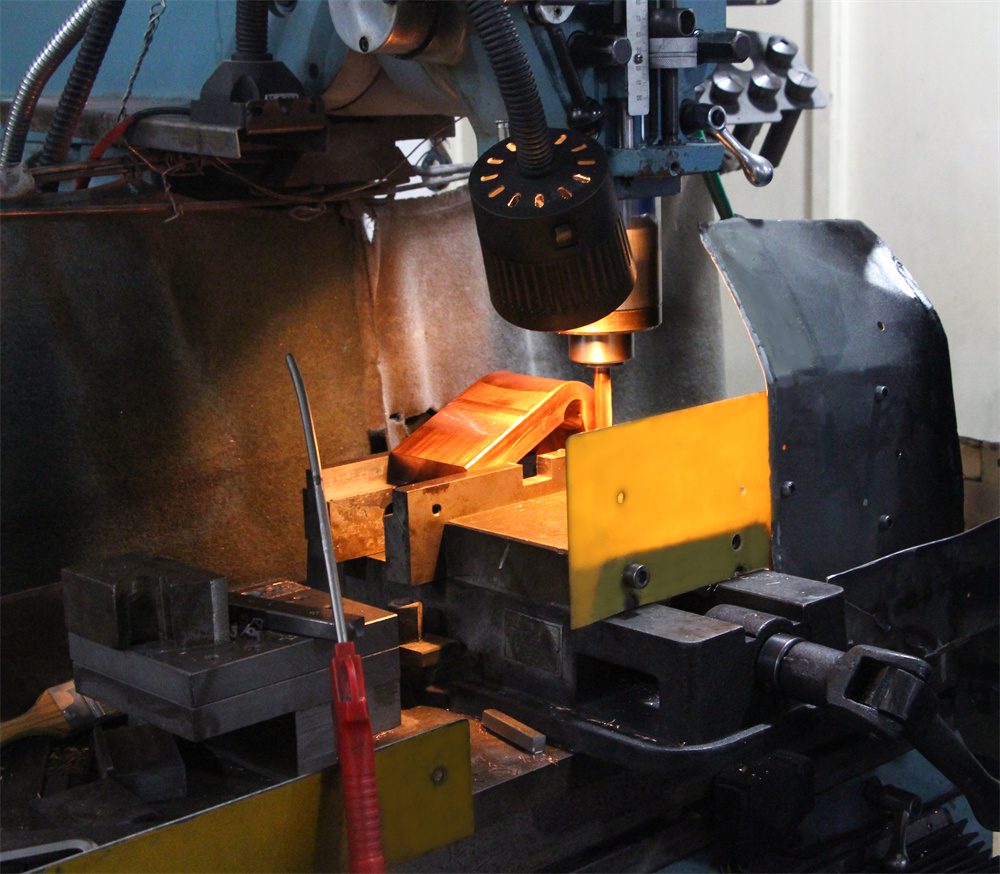
CNC milling enables the production of complex, multi-axis geometries that are impossible to achieve through conventional machining. For robotics, this means perfectly circular bearing seats, precisely threaded servo motor mounts, and intricately profiled linkage arms that ensure smooth, repeatable motion in every cycle.
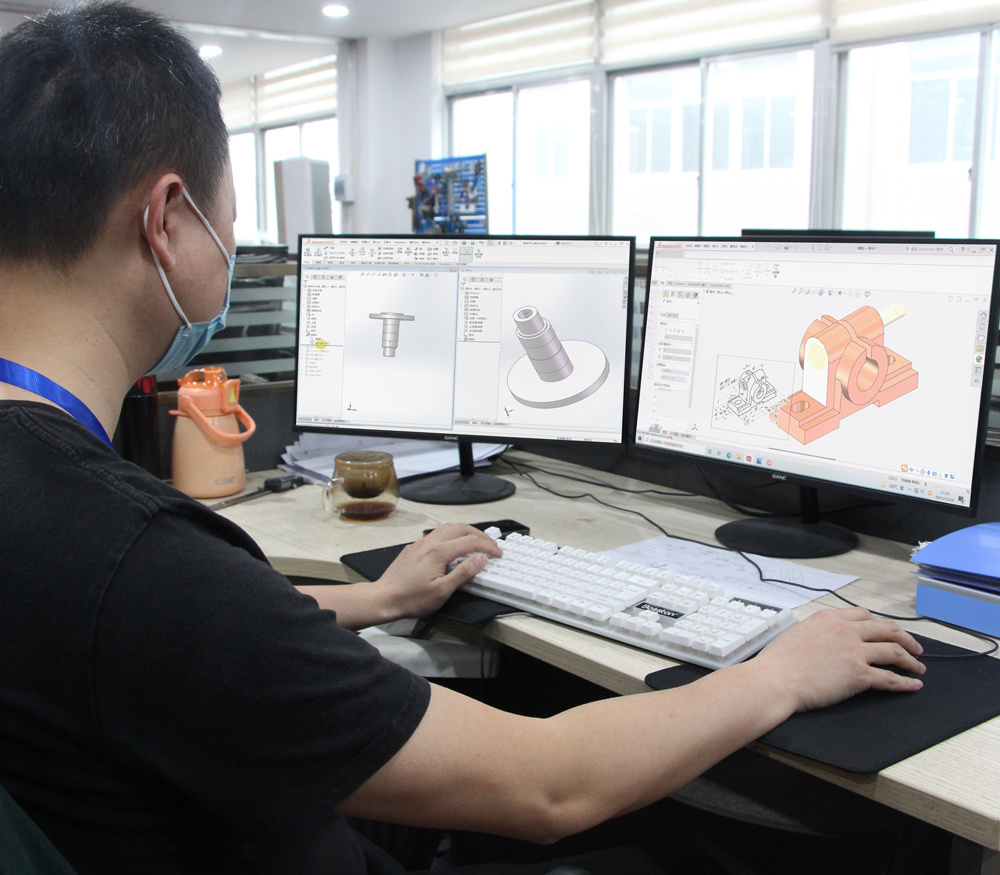
Robotics engineering demands rapid iteration. CNC milling bridges the gap between early-stage prototyping and scalable production โ a single programming change can accommodate a design revision overnight, while 5-axis machining centers deliver production-grade quality from batch 1 through batch 10,000.
Across every segment of the robotics industry โ from collaborative robots to autonomous mobile platforms โ CNC milled parts are the critical link between design intent and functional reality.
Cobots require lightweight yet rigid joint housings that can withstand continuous dynamic loads while maintaining micron-level positional accuracy. CNC milled aluminum alloy (6061-T6, 7075-T6) housings provide the ideal strength-to-weight ratio, enabling cobots to operate safely alongside human workers without sacrificing payload capacity or reach.
Servo motor alignment is critical โ even a 0.1 mm offset can introduce cumulative positioning errors across a 6-axis robot arm. CNC milling delivers the flatness, parallelism, and bore concentricity required for precise motor mounting, ensuring consistent torque transmission and minimizing vibration in high-speed automation cycles.
AMRs navigating warehouse floors demand chassis components that balance structural stiffness with minimal weight. CNC milled aluminum and titanium frames, combined with precision-drilled sensor mounting plates, allow AMR designers to integrate LiDAR, ultrasonic, and camera systems with exact angular and positional relationships โ directly impacting navigation accuracy.
End-effectors are the hands of a robot โ and their geometry must be tailored precisely to the object being handled. CNC milling enables the rapid production of custom gripper fingers, vacuum cup manifolds, and tool-change flanges in materials ranging from engineering plastics to hardened steel, supporting quick changeover in flexible manufacturing cells.
UAV and drone platforms represent one of the fastest-growing segments of robotics engineering. CNC milled carbon fiber composite plates, aluminum motor arms, and titanium fastener interfaces reduce airframe weight while maintaining the structural integrity needed for high-G maneuvers, payload delivery, and extended flight endurance in commercial and defense applications.
Surgical robots such as laparoscopic systems and orthopedic alignment platforms require components machined to tolerances of ยฑ0.002 mm in biocompatible materials including titanium Grade 5, 316L stainless steel, and PEEK. CNC milling combined with CMM inspection and full material traceability ensures compliance with FDA and CE medical device standards.
The convergence of AI, advanced materials, and digital manufacturing is reshaping what CNC milling can deliver for robotics engineering teams worldwide.
Machine learning algorithms now analyze historical cutting data to automatically optimize toolpaths, reducing cycle times by up to 30% while extending tool life. For robotics component production, this translates to faster delivery and lower per-unit cost at scale.
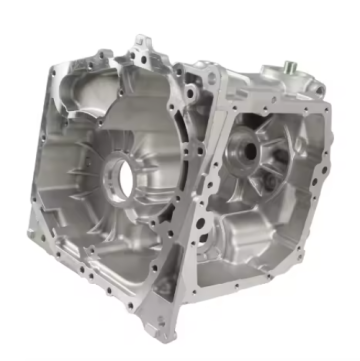
Modern 5-axis CNC machining centers can complete complex robotic joint housings in a single setup, eliminating re-fixturing errors and achieving surface finishes of Ra 0.4 ฮผm or better. Multi-tasking machines combining milling and turning further compress lead times for prismatic-rotational hybrid parts.
The push for higher payload-to-weight ratios in robotics is driving adoption of aerospace-grade aluminum (7075, 2024), titanium alloys, and magnesium alloys in CNC milled robot structures. These materials demand specialized tooling and cutting parameters โ expertise that separates tier-1 suppliers from commodity shops.
Leading robotics manufacturers now require CNC suppliers to provide digital inspection data that feeds directly into their digital twin models. CMM measurement data, surface scan reports, and material certificates are transmitted electronically, enabling real-time quality validation before parts ever leave the factory.
Robotics OEMs increasingly mandate supply chain sustainability. ISO 14001-certified CNC facilities that implement minimum quantity lubrication (MQL), coolant recycling, and aluminum swarf reclamation are becoming preferred partners for Tier 1 robot manufacturers committed to Scope 3 carbon reduction targets.
Robotics startups and R&D teams require CNC milled prototypes with no minimum order quantity. Advanced scheduling software and flexible machining cells now enable suppliers to deliver single-piece CNC milled robot components within 3โ5 business days, accelerating development cycles from months to weeks.
Whether you're developing the next generation of collaborative robots, autonomous mobile platforms, or surgical robotics systems โ LVMA CNC delivers CNC milled parts with the precision, traceability, and scalability your engineering team demands. From single prototypes to 5 million+ parts per year, we're ready to support every stage of your product lifecycle.
Get a Free Quote Now
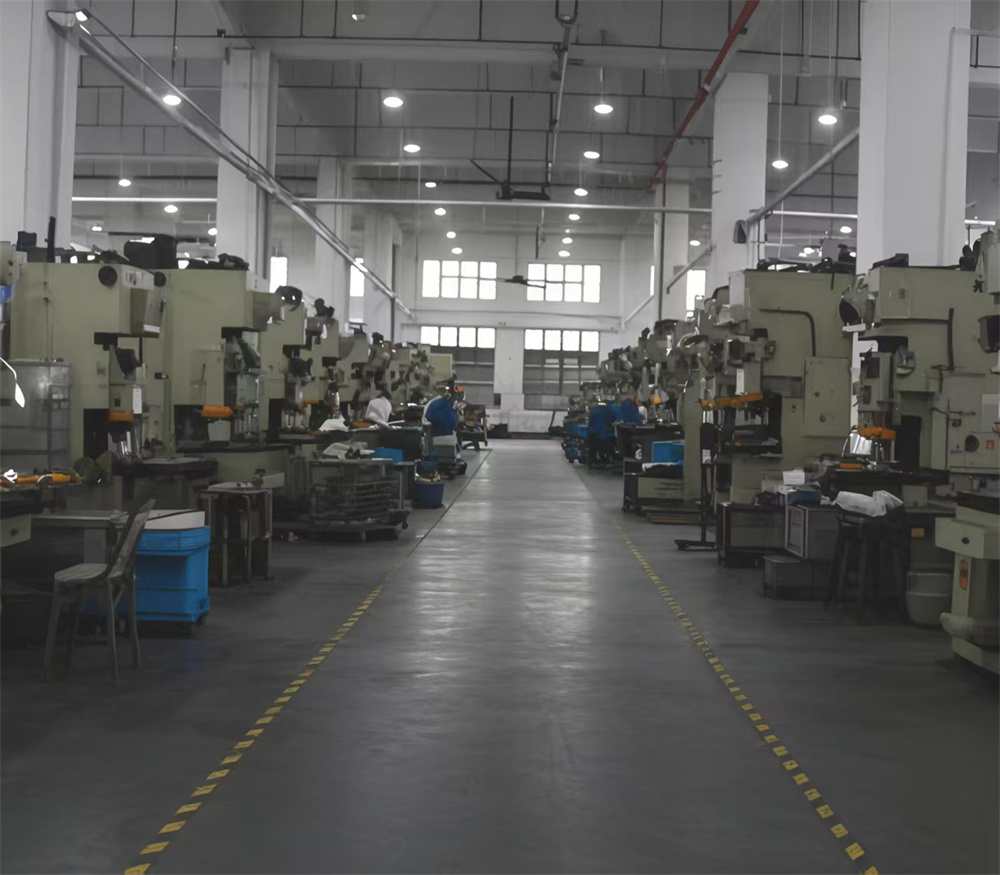
LVMA CNC was established in 2018 as an integrated division focused on parts machining and export services. Our own factory, founded in 2004, contributes more than 20 years of experience in precision manufacturing.
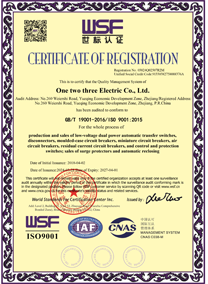
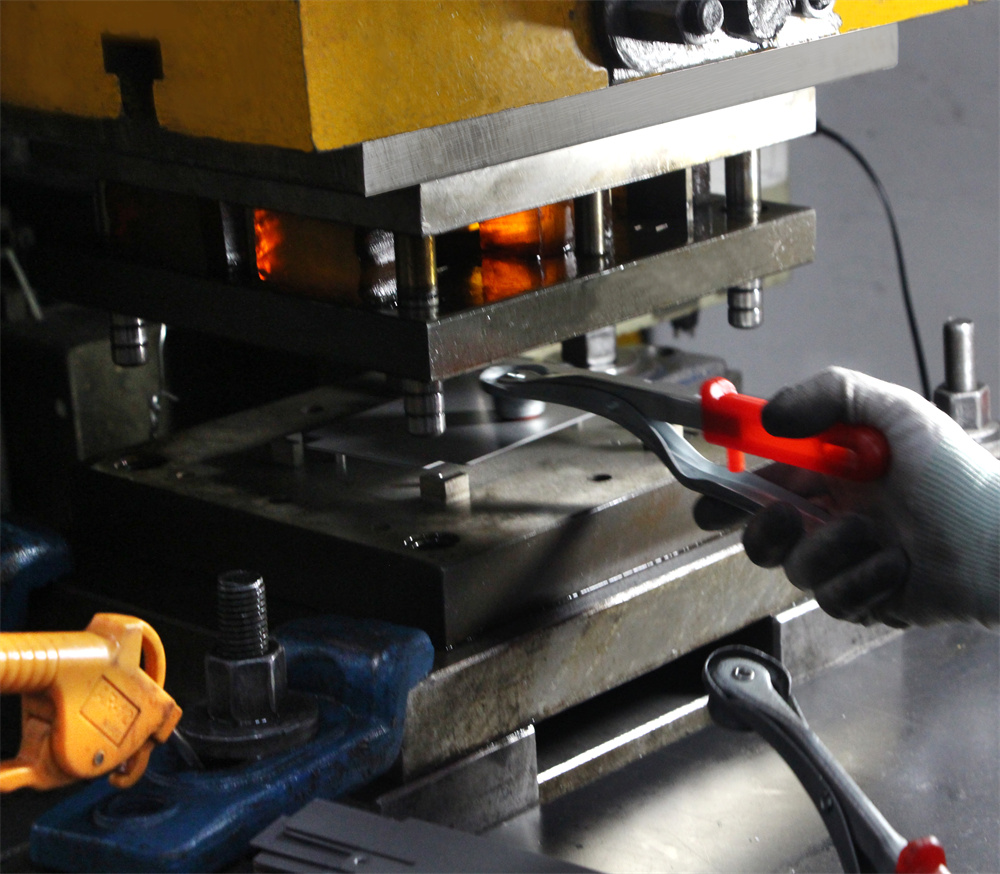
LVMA CNC combines export operations with in-house production capabilities. Our manufacturing capacity covers CNC machining, injection molding, die casting, and stamping, supported by a wide range of established industrial processes. Our operations are governed by a structured quality management system and are ISO 9001 certified.
We process over 100 materials, including copper, steel, aluminum, zinc, and engineering plastics, and supply components for applications in automotive engineering, electrical systems, robotics, and furniture hardware.
At LVMA CNC, our mission is to drive production line automation through our AI platform, enabling our clients to accelerate product iteration. By seamlessly blending cutting-edge manufacturing technologies with a collaborative network, we provide our customers with solutions characterized by precise delivery, scalable mass production, and rapid iteration capabilities.


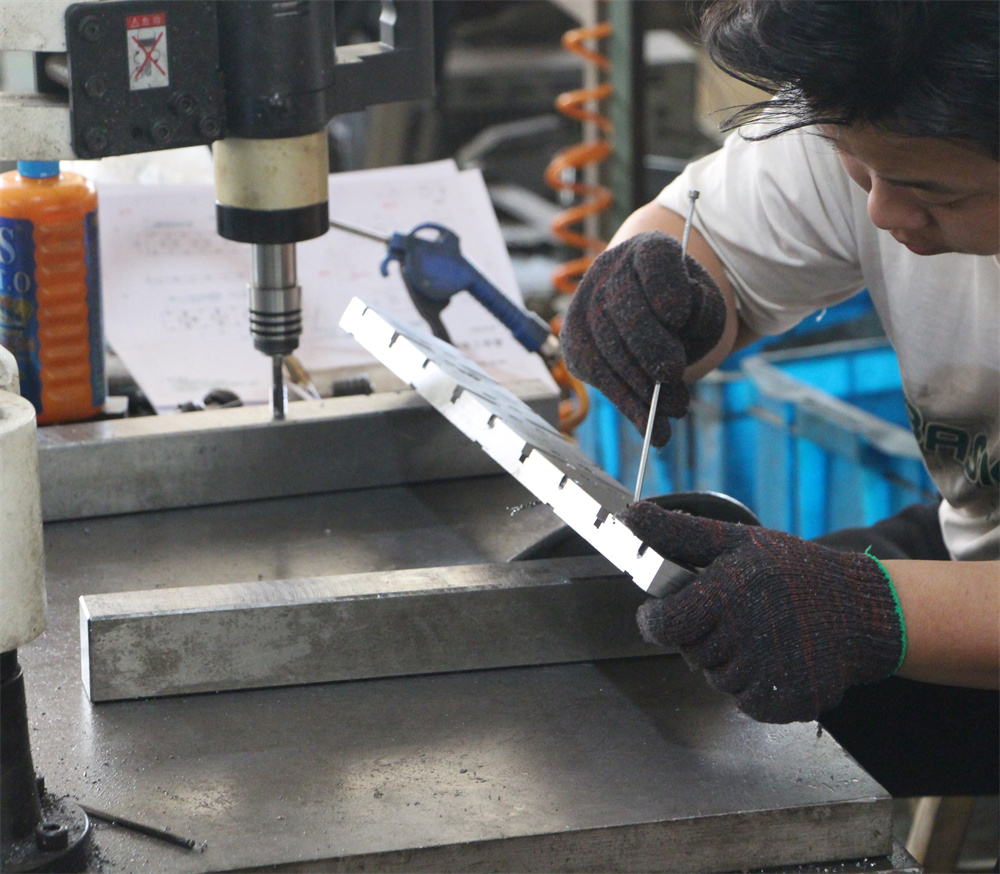
LVMA has a dedicated testing center and professional inspection team. Every CNC milled component is inspected against production process standards before shipment, ensuring customers receive parts that meet or exceed specification.
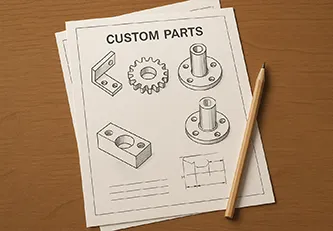
LVMA focuses on non-standard and customized components, integrating cross-industry technical resources to meet design requirements across automotive, robotics, precision instruments, and hardware applications.
Our experienced business team offers 7ร24-hour service response, a mature delivery system, and a logistics on-time delivery rate of 99.9% โ serving robotics manufacturers in over 80 countries worldwide.
Through our digital operation platform, we provide remote diagnosis, data-driven process improvement, and continuous optimization โ reducing production costs across the entire product lifecycle of your robotics components.
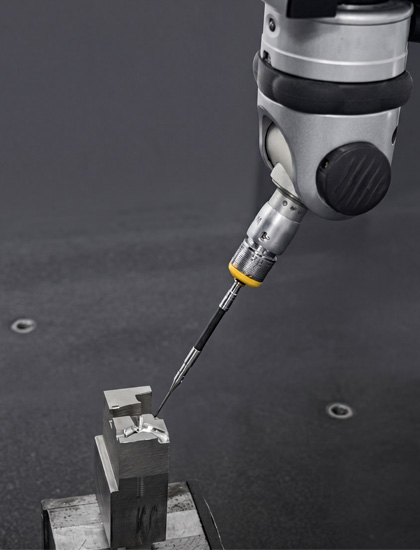
For robotics engineering applications where component failure is not an option, LVMA CNC offers both standardized and tailored inspection solutions. Our CMM (Coordinate Measuring Machine) inspection capability ensures every critical dimension is verified to drawing requirements before dispatch.
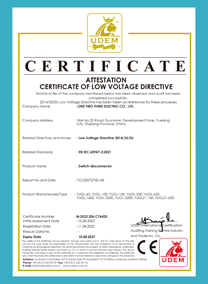
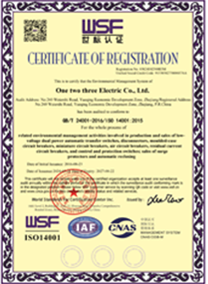
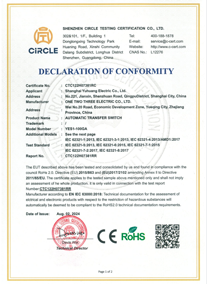
Backed by ISO 9001, ISO 14001, and ISO 45001 certifications, LVMA CNC guarantees uncompromising quality by providing comprehensive SGS testing, detailed dimensional inspection reports, Material Test Certificates (MTC), and industry-specific CE compliance.


From raw material tracking to production waste recycling, we have collaborated with upstream and downstream partners to implement multiple carbon reduction plans. Our factory has obtained ISO 14001 certification and is committed to becoming a low-carbon benchmark supplier recognized by customers in the robotics and automation industry. By implementing minimum quantity lubrication, coolant recycling systems, and aluminum swarf reclamation programs, LVMA CNC actively reduces environmental impact while maintaining the highest standards of precision manufacturing excellence.
Over two decades of precision manufacturing excellence โ from a single factory in Yueqing to a global CNC machining partner for robotics engineers worldwide.
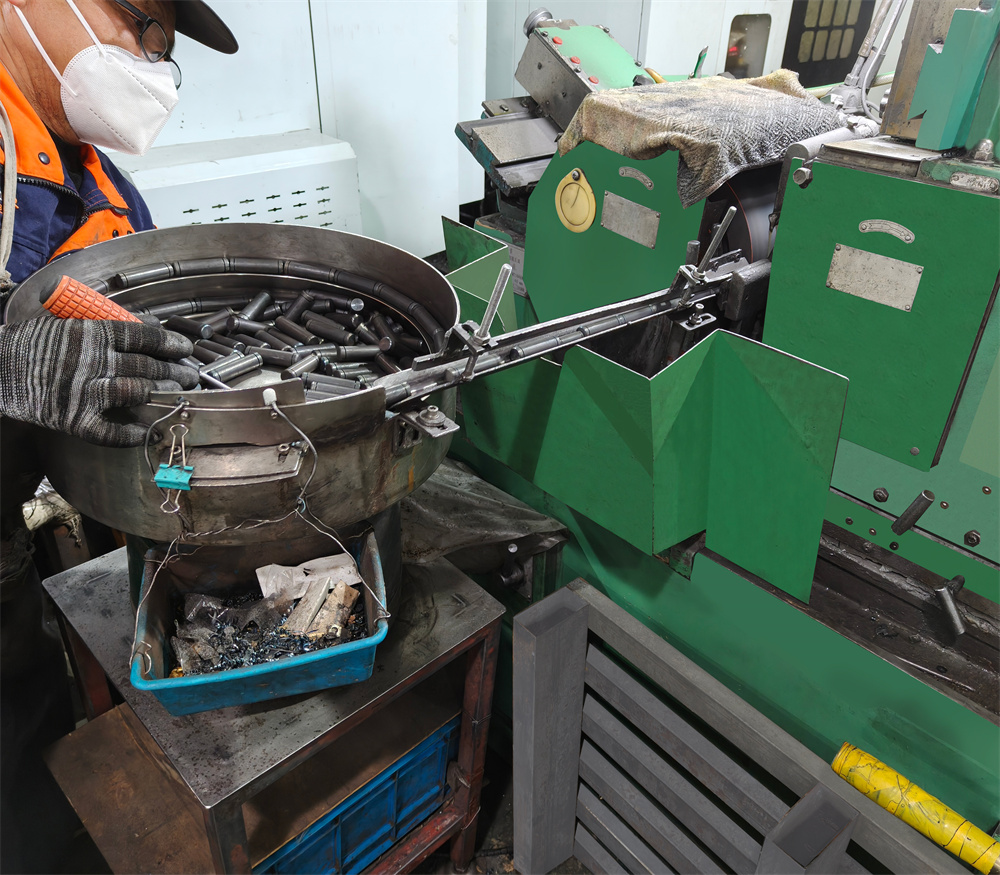
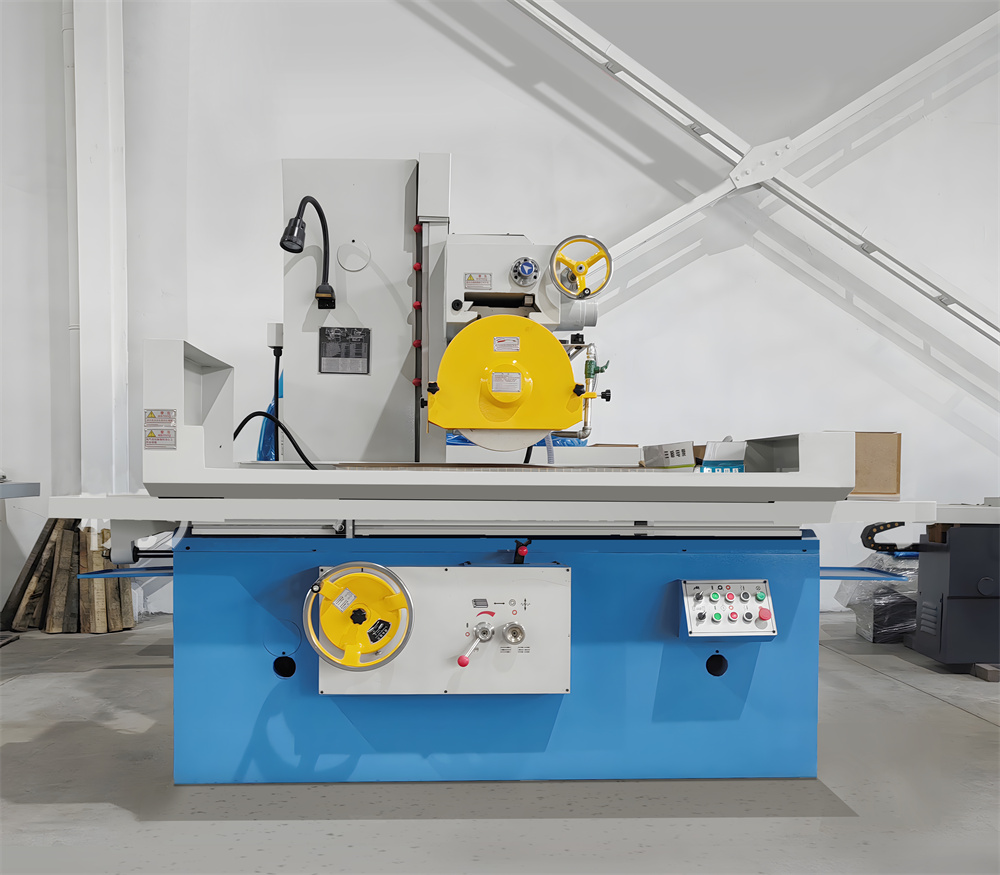
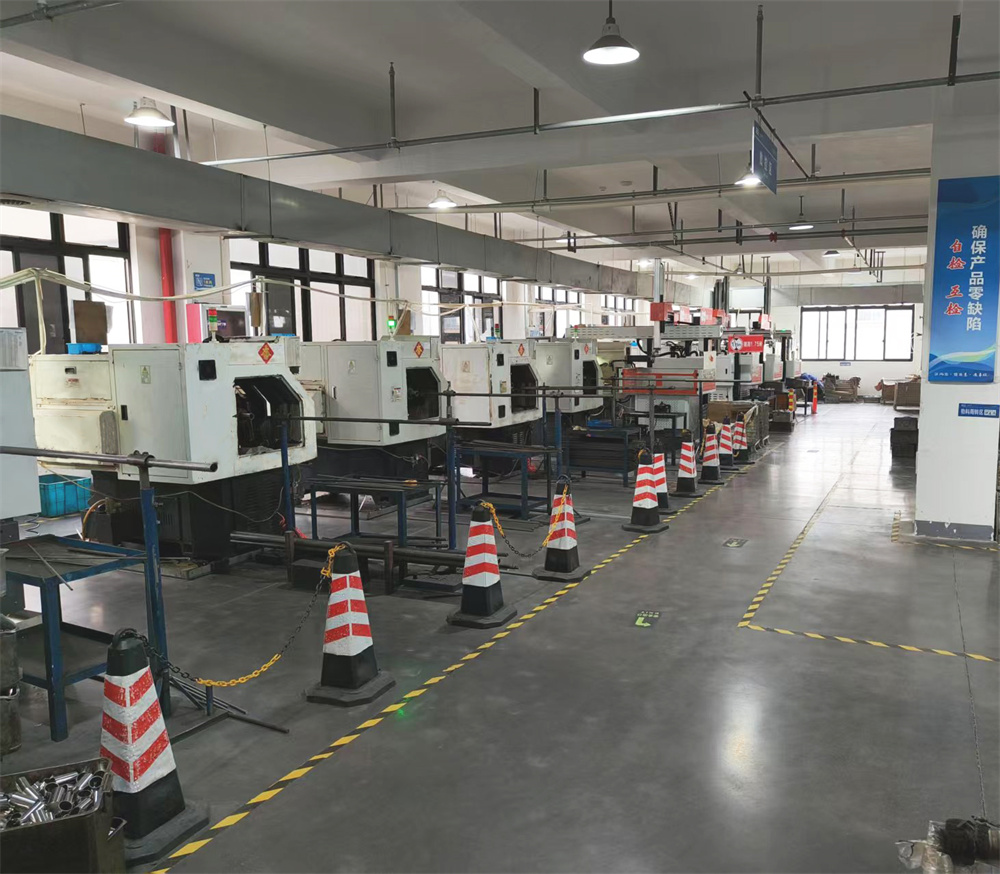
Step inside LVMA CNC's state-of-the-art manufacturing facility โ where advanced 5-axis machining centers, CMM inspection stations, and automated production lines combine to deliver world-class CNC milled parts for robotics engineering.


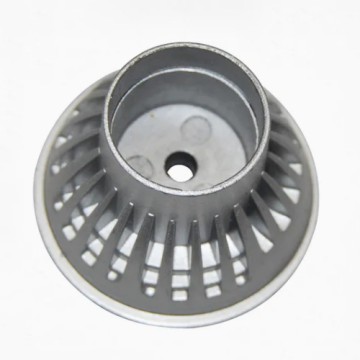
Explore our full range of precision CNC machined components โ from robotic actuator housings to transmission adapters โ all manufactured to the highest quality standards with full traceability.
"At LVMA CNC, our mission is to drive production line automation through our AI platform, enabling our clients to accelerate product iteration. By seamlessly blending cutting-edge manufacturing technologies with a collaborative network, we provide our customers with solutions characterized by precise delivery, scalable mass production, and rapid iteration capabilities โ purpose-built for the demands of modern robotics engineering."