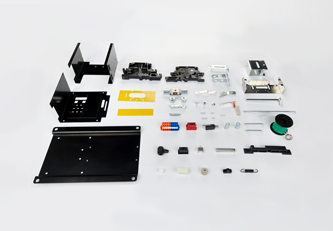
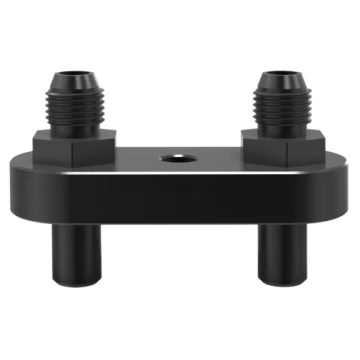
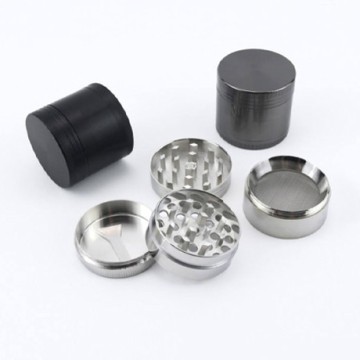
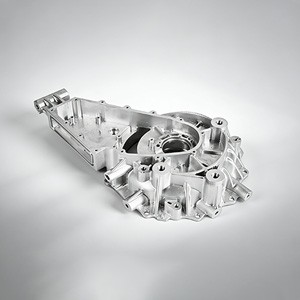
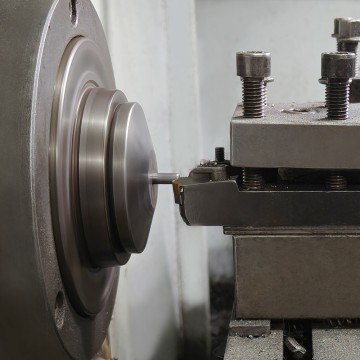
Explore our precision CNC milled components designed for aerospace-grade performance, manufactured to AS9100 standards with full traceability and dimensional verification.
The global aerospace components market is undergoing a profound transformation. CNC milling has emerged as the backbone of aerospace manufacturing — delivering repeatability, traceability, and the ultra-tight tolerances that flight-critical parts demand.
The global aerospace CNC machining market was valued at over $9.2 billion in 2023 and is projected to exceed $15 billion by 2030, driven by rising commercial aircraft orders, defense modernization programs, and the surge in private space exploration. OEMs and Tier-1 suppliers are increasingly outsourcing precision milling to specialized manufacturers capable of meeting AS9100 and NADCAP standards.
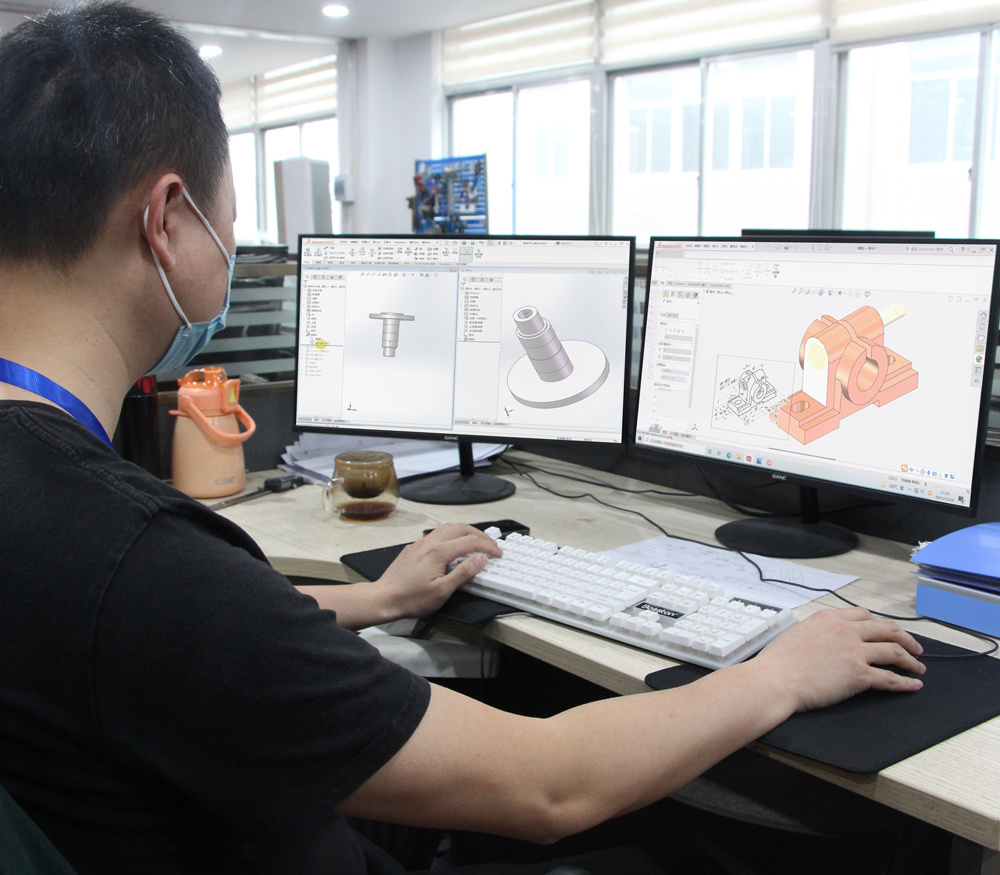
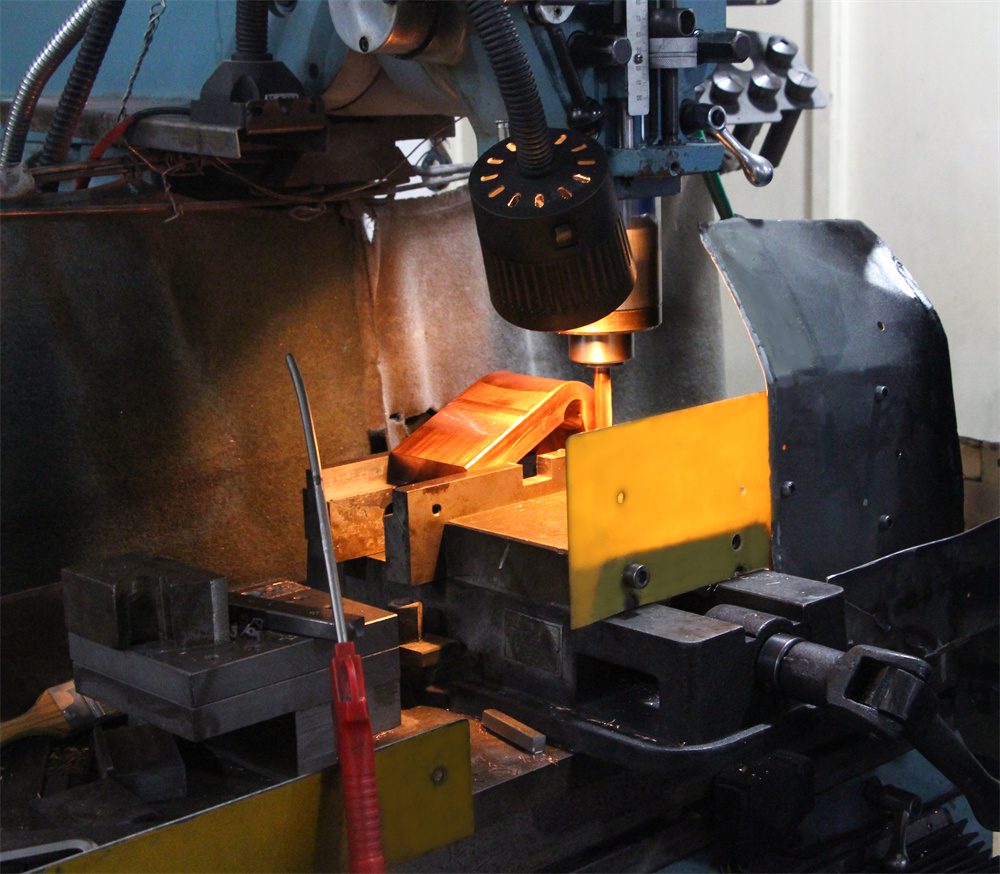
5-axis and 9-axis CNC milling centers now dominate aerospace production floors, enabling complex geometries — airfoil profiles, turbine blade pockets, structural ribs — in a single setup. Integration with CAD/CAM simulation, real-time tool wear monitoring, and AI-driven adaptive machining is reducing scrap rates and cycle times by up to 35%, fundamentally changing cost structures for aerospace suppliers.
Post-pandemic aerospace supply chains are being restructured for resilience. China-based precision machining suppliers with certified quality systems are winning significant share from traditional Western Tier-2 suppliers, offering 30–50% cost advantages while maintaining AS9100-aligned inspection protocols, full material traceability, and on-time delivery rates above 99%. This shift is accelerating qualification of new offshore suppliers.
CNC milling is not a single process — it is a family of precision operations applied across every major aerospace subsystem. Understanding where and how CNC milled parts perform reveals why material selection, tolerance control, and surface integrity are non-negotiable.
Wing ribs, fuselage frames, bulkheads, and floor beams are among the most demanding CNC milling applications. Aerospace-grade aluminum alloys (7075-T651, 2024-T3) and titanium (Ti-6Al-4V) are machined to tolerances of ±0.005 mm with surface roughness Ra ≤ 0.8 µm. Multi-axis milling allows complex pocket geometries that reduce weight while maintaining structural integrity — a critical requirement for modern fuel-efficient aircraft design.
Compressor casings, diffuser vanes, bearing housings, and accessory gearbox components require CNC milling of nickel superalloys (Inconel 718, Hastelloy) and titanium at extreme precision. These materials present significant machinability challenges — requiring specialized carbide tooling, high-pressure coolant, and adaptive feed rate control. LVMA's advanced machining centers handle these demanding materials with validated processes and full material traceability.
CubeSat chassis, optical bench structures, antenna mounts, and thruster brackets for satellite applications demand ultra-lightweight, dimensionally stable CNC milled parts. Aluminum 6061-T6 and beryllium-aluminum composites are common material choices. Thermal cycling requirements mean that part geometry must be optimized for minimal distortion — achieved through stress-relief heat treatment and precision fixturing during CNC milling operations.
Unmanned aerial vehicles (UAVs), missile guidance housings, radar mounts, and electro-optical sensor enclosures represent a fast-growing segment for CNC milled aerospace parts. These applications often combine tight dimensional tolerances with EMI shielding requirements, demanding machined-in features such as knife-edge seals, precision bores, and complex internal channel networks for cooling electronics.
Avionics enclosures, heat sink structures, and thermal management housings are CNC milled from high-conductivity aluminum alloys to dissipate heat from dense electronics packages. Precision milling of internal fin arrays, cold plate channels, and connector interfaces ensures that form, fit, and function are maintained across the full operating temperature range — critical for reliable avionics performance at altitude.
Landing gear components — trunnion fittings, torque links, actuator housings — are among the most safety-critical CNC milled parts in aerospace. High-strength steel (300M, 4340) and titanium alloys are machined to demanding fatigue-life specifications. First Article Inspection per AS9102, CMM dimensional verification, and full material test certificates (MTC) are standard requirements that LVMA CNC fulfills for every production lot.
The convergence of AI, advanced materials, and digital manufacturing is reshaping what is possible in aerospace CNC milling. Here are the forces driving the next decade of innovation.
The aerospace manufacturing landscape is being redefined by four converging forces: the adoption of AI-powered CNC systems, the rise of hybrid additive-subtractive manufacturing, increasing use of advanced composite and superalloy materials, and the digitalization of quality assurance through inline metrology and digital twin technology.
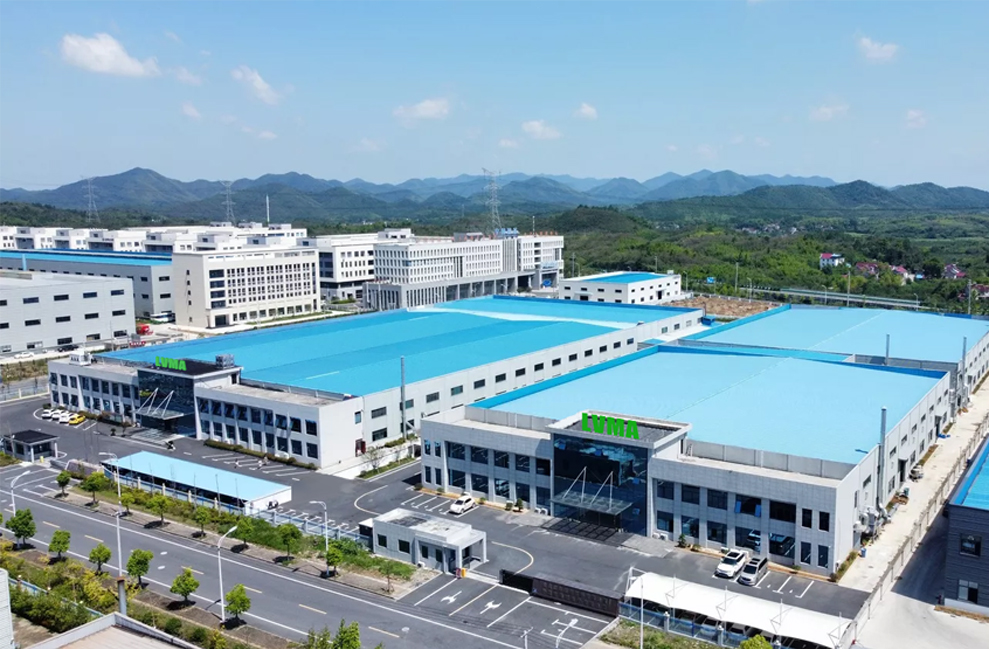
LVMA CNC was established in 2018 as an integrated division focused on parts machining and export services. Our own factory, founded in 2004, contributes more than 20 years of experience in precision manufacturing.
LVMA CNC combines export operations with in-house production capabilities. Our manufacturing capacity covers CNC machining, injection molding, die casting, and stamping, supported by a wide range of established industrial processes. Our operations are governed by a structured quality management system and are ISO 9001 certified.
We process over 100 materials, including copper, steel, aluminum, zinc, and engineering plastics, and supply components for applications in automotive engineering, electrical systems, aerospace, and furniture hardware.


At LVMA CNC, our mission is to drive production line automation through our AI platform, enabling our clients to accelerate product iteration. By seamlessly blending cutting-edge manufacturing technologies with a collaborative network, we provide customers with solutions characterized by precise delivery, scalable mass production, and rapid iteration capabilities — purpose-built for the demands of aerospace component manufacturing.
Our scale, expertise, and quality metrics speak directly to our capability as a trusted aerospace CNC milling partner.
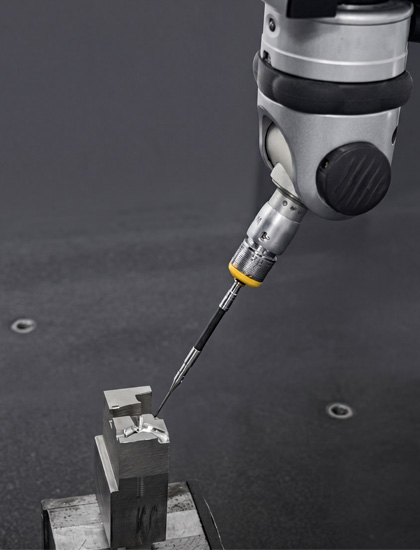
LVMA CNC offers standardized component inspection as well as tailored inspection solutions specifically designed to meet aerospace industry documentation requirements — including AS9102 First Article Inspection and full material traceability.
Four pillars that make LVMA CNC the preferred precision machining partner for aerospace engineers and procurement teams worldwide.
LVMA has a dedicated testing center and a professional inspection team. Every aerospace CNC milled part is inspected and qualified per production process standards before shipment, ensuring customers receive components that meet or exceed specification.
LVMA focuses on non-standard and customized components, integrating cross-industry technical resources to meet design requirements for aerospace, automotive, precision instruments, and hardware — bringing multi-sector insights to every aerospace project.
Our experienced international business team offers 7×24-hour service response with a mature global logistics system. On-time delivery rate reaches 99.9%, with full export documentation support for aerospace customers worldwide.
Remote diagnosis via our digital operation platform, data-driven process improvement, and continuous optimization reduce production costs over the full product life cycle — from prototype to high-volume aerospace component production.
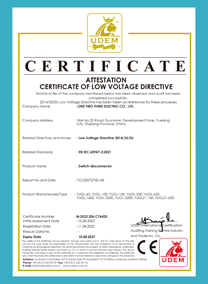
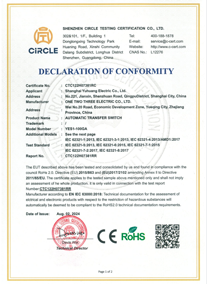
Backed by ISO 9001, ISO 14001, and ISO 45001 certifications, LVMA CNC guarantees uncompromising quality by providing comprehensive SGS testing, detailed dimensional inspection reports, Material Test Certificates (MTC), and industry-specific CE compliance.
Two decades of manufacturing excellence — from a single factory in Yueqing to a global aerospace CNC machining partner serving 80+ countries.
From raw material tracking to production waste recycling, we have collaborated with upstream and downstream partners to implement multiple carbon reduction plans. Our factory has obtained ISO 14001 certification and is committed to becoming a low-carbon benchmark supplier recognized by aerospace customers worldwide.
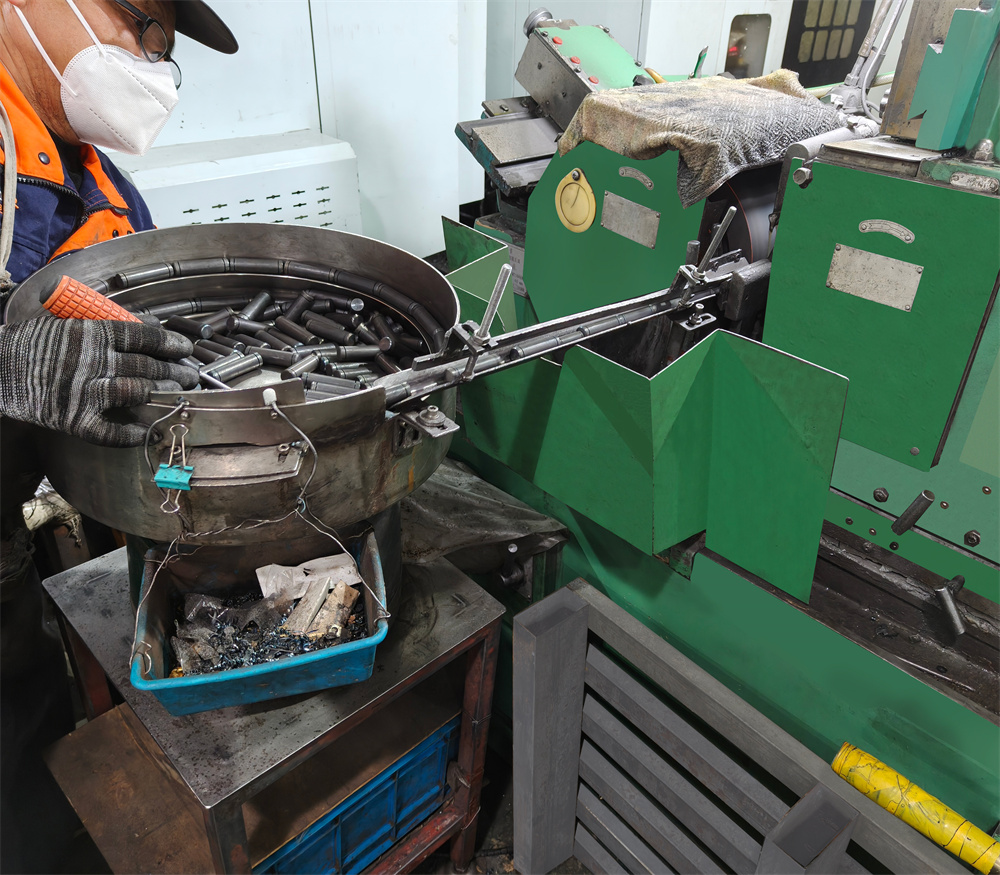
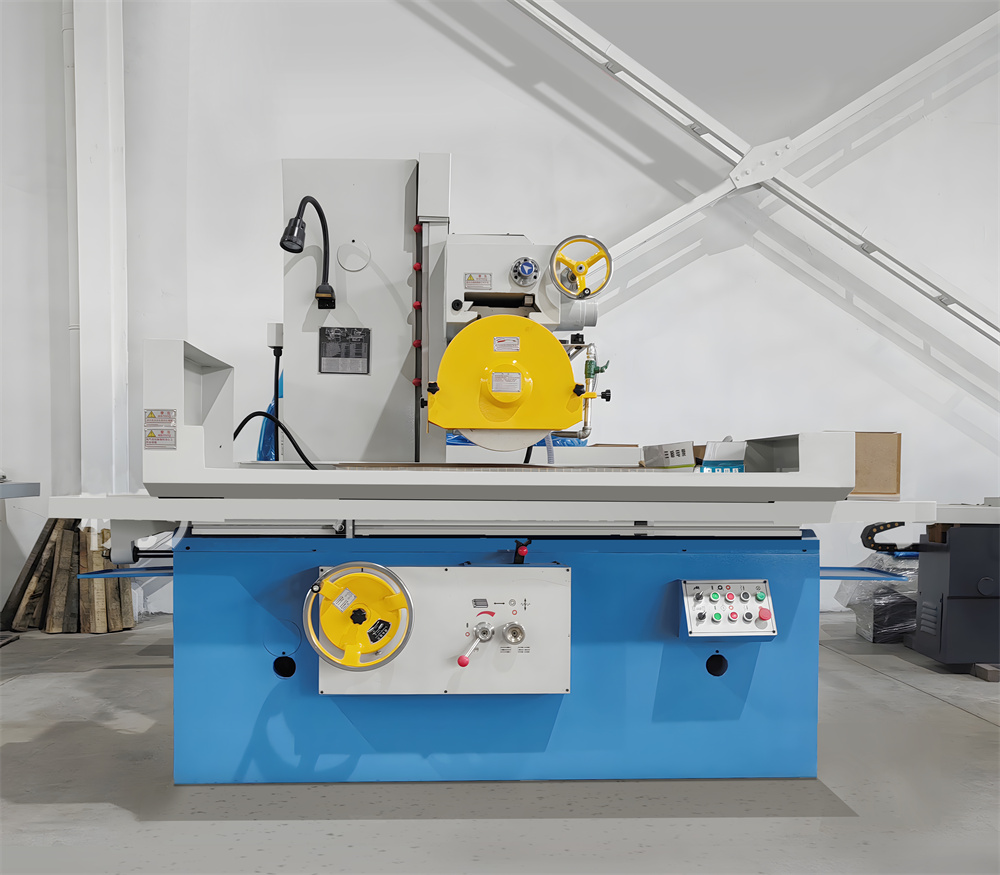
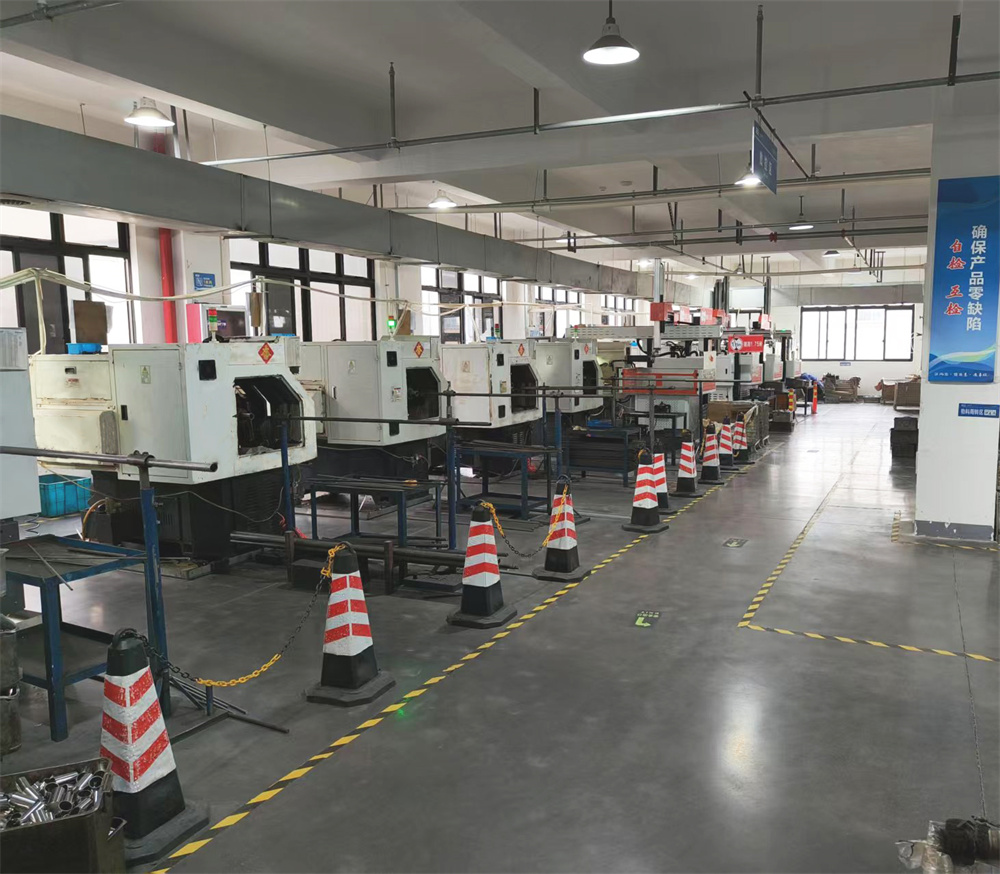
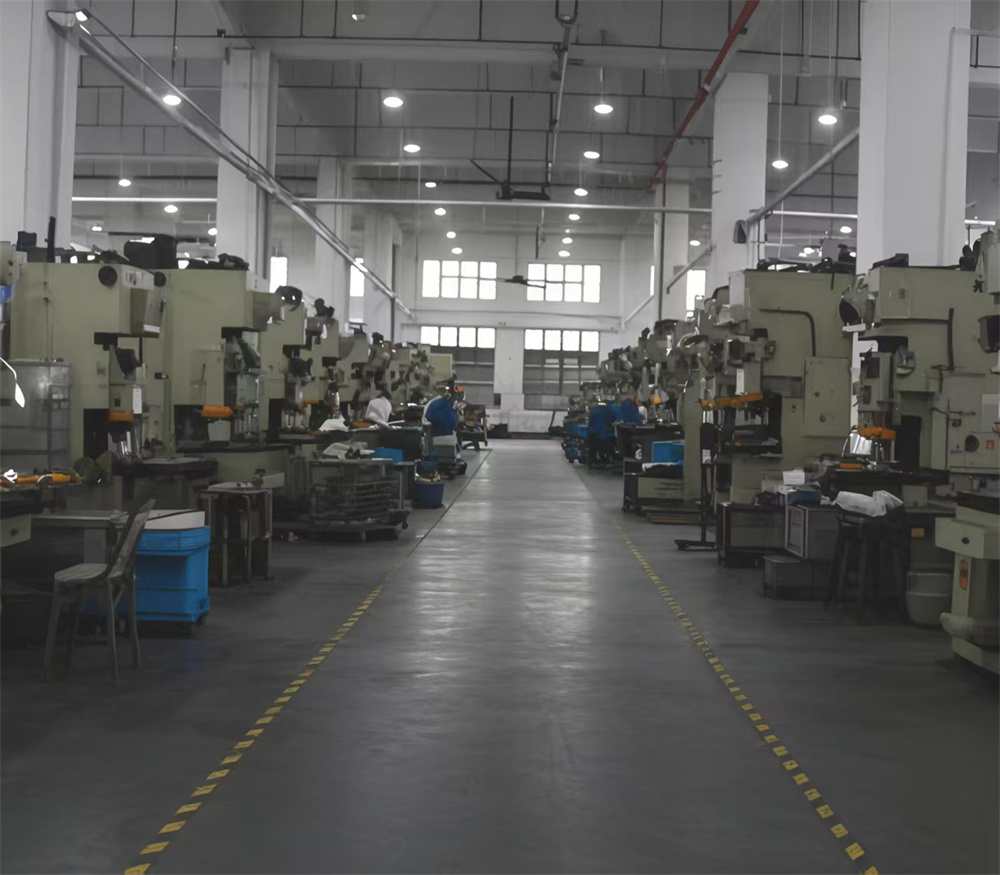
Click for InquiryStep inside our precision manufacturing facility — where 500+ engineers operate 500+ advanced CNC machines to deliver aerospace-grade components every day.


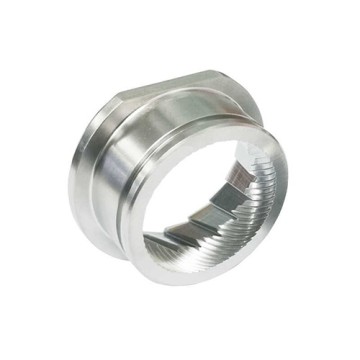
From prototype to production — browse our full range of CNC milling, turning, and machining services engineered for aerospace and industrial precision applications.