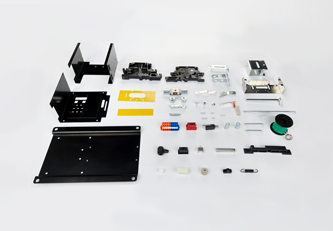
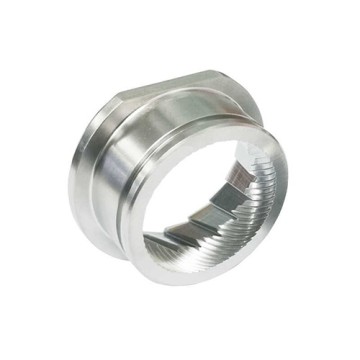
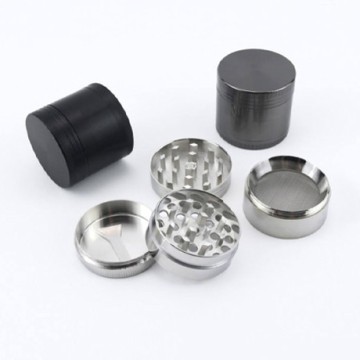
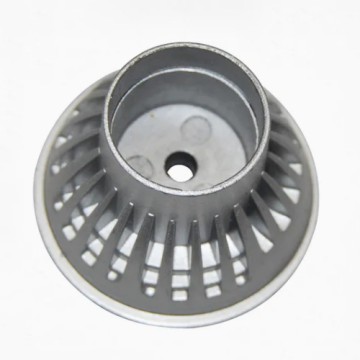
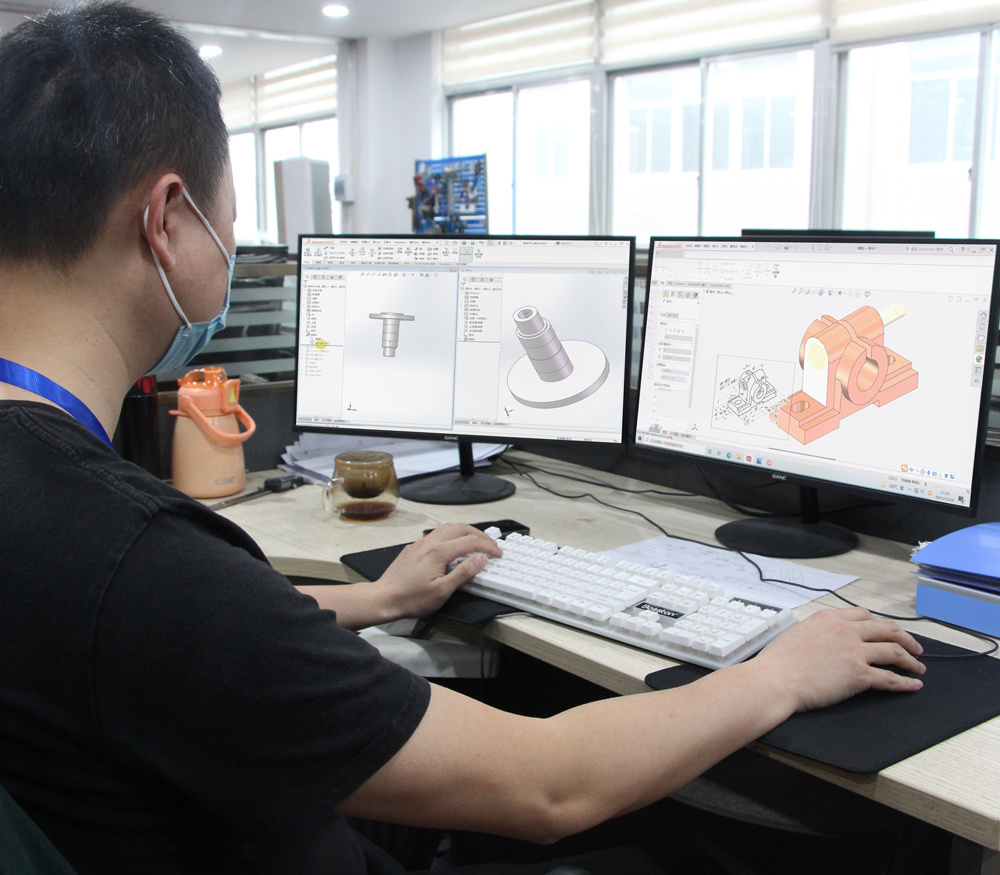
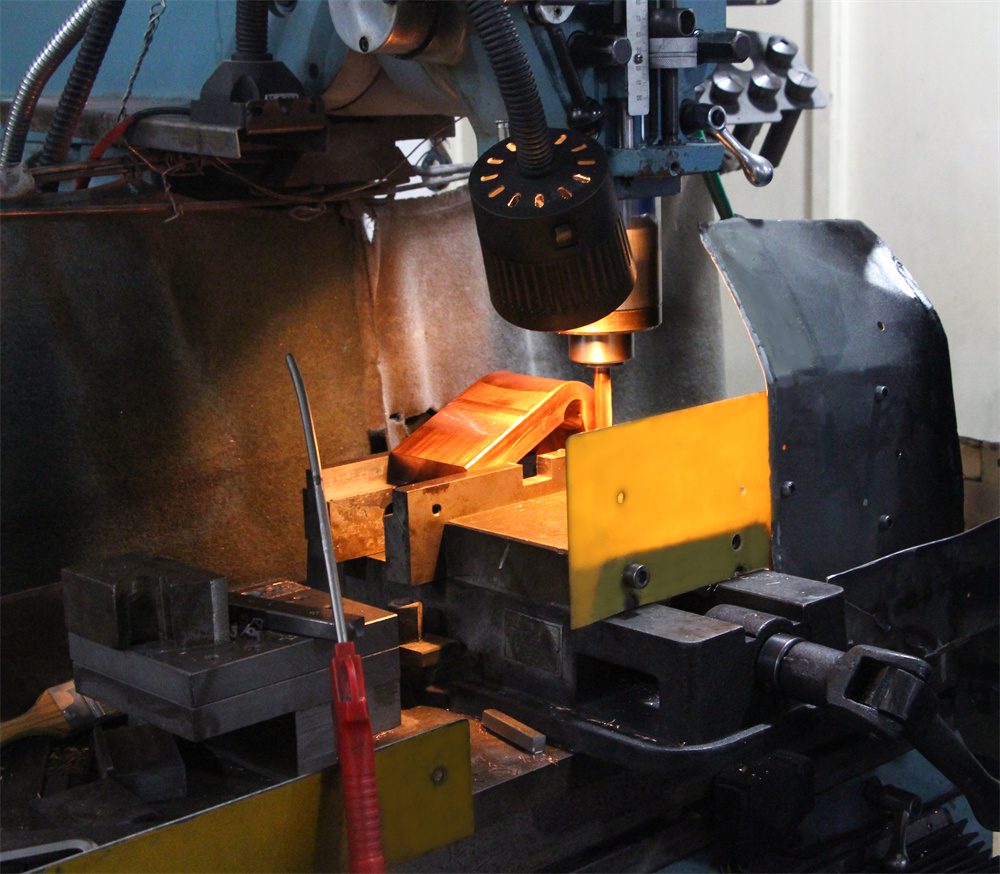
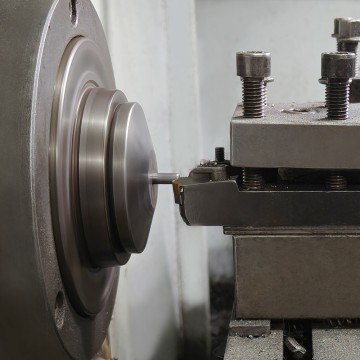
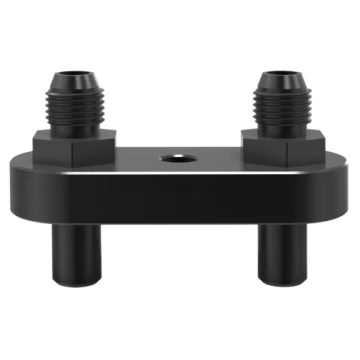
Precision-machined components engineered for the demanding tolerances of modern consumer electronics applications.
The global consumer electronics market surpassed $1.1 trillion USD in 2024 and continues to expand at a compound annual growth rate exceeding 6%. Driving this growth is an insatiable demand for miniaturized, high-performance devices — smartphones, TWS earbuds, smartwatches, laptops, drones, and smart home systems — all of which depend on precision-machined internal components to function reliably.
CNC lathe parts sit at the heart of this supply chain. From the turned aluminum housings of flagship smartphones to the stainless steel shaft assemblies inside high-end audio equipment, CNC turning delivers the sub-micron tolerances, surface finishes, and material versatility that no other manufacturing process can match at comparable volumes.
As device form factors shrink and performance benchmarks climb, manufacturers are turning to advanced CNC lathe machining — paired with live tooling, multi-axis interpolation, and AI-driven quality inspection — to meet the engineering demands of next-generation consumer electronics.
Key forces reshaping how precision turned components are designed, sourced, and manufactured for consumer electronics OEMs worldwide.
Machine learning algorithms now monitor CNC lathe spindle loads, vibration signatures, and tool wear in real time, predicting dimensional drift before it occurs. Consumer electronics OEMs benefit from consistent Cpk values above 1.67 across high-volume production runs, reducing scrap rates and warranty returns significantly.
The proliferation of wearable devices and IoT sensors is pushing CNC lathe capabilities into the micro-machining domain. Turned parts with diameters below 1 mm and surface roughness Ra < 0.4 µm are now standard requirements for smartwatch crown assemblies, hearing aid housings, and AR/VR optical mounts.
Consumer electronics brands face increasing ESG scrutiny. CNC lathe machining of recycled aluminum alloys (6061-R, 7075-R) and bio-based engineering plastics is gaining traction, with leading suppliers achieving 30–40% reductions in embodied carbon without sacrificing dimensional accuracy or surface quality.
Cloud-based quoting platforms, real-time production dashboards, and API-connected ERP systems are eliminating information latency between consumer electronics brands and their CNC lathe suppliers. Instant DFM feedback, automated inspection data uploads, and digital twin simulations compress development cycles from weeks to days.
Post-pandemic supply chain disruptions accelerated the diversification of CNC lathe sourcing. While China remains the dominant hub for high-volume precision turning, consumer electronics brands are building dual-source strategies — maintaining primary manufacturing in Asia while qualifying regional suppliers in Southeast Asia, Eastern Europe, and Mexico.
Forward-thinking consumer electronics brands now embed CNC lathe manufacturability reviews at the concept design stage. Early DFM collaboration between mechanical engineers and precision turning specialists reduces part count, eliminates unnecessary tight tolerances, and cuts per-unit costs by 15–25% before a single prototype is cut.
Precision CNC turned components appear throughout the consumer electronics product ecosystem — often invisibly, but always critically.
CNC lathe machining produces the aluminum antenna bands, SIM card tray inserts, camera module lens barrels, and volume/power button shafts found in premium smartphones. Tolerances of ±0.01 mm ensure consistent tactile feedback and IP-rated sealing when these turned components interface with injection-molded housings. Surface anodizing and micro-bead blasting applied post-turning achieve the premium aesthetic finishes consumers expect.
High-fidelity audio equipment relies on CNC turned brass and aluminum components for volume control potentiometer shafts, headphone jack housings, and tweeter horn bodies. The geometric precision achievable with CNC lathes — roundness within 0.002 mm — eliminates mechanical noise and ensures smooth, repeatable operation across millions of cycles. Premium TWS earbud nozzles and acoustic vents are routinely CNC turned from medical-grade stainless steel.
Smartwatch cases, crown mechanisms, and sensor port covers demand micro-turning precision combined with Class-A surface finishes. CNC lathes equipped with high-frequency spindles (up to 60,000 RPM) machine titanium, stainless steel 316L, and aluminum 7075 watch cases to tolerances tighter than a human hair. The rotating crown assembly — a signature interaction element — requires turned components with sub-micron cylindricity to deliver the smooth, backlash-free rotation premium watch brands demand.
Smart thermostats, robotic vacuum cleaners, air purifiers, and connected kitchen appliances incorporate dozens of CNC turned components. Stepper motor shafts, worm gear shafts, flow control valve bodies, and ultrasonic sensor housings are produced via CNC turning in aluminum, brass, and engineering plastics. The combination of tight dimensional control and high-volume throughput makes CNC lathe machining the preferred process for consumer IoT hardware at scale.
Consumer drones require CNC turned motor bell housings, propeller shaft adapters, and gimbal pivot pins manufactured from aerospace-grade aluminum (6061-T6, 7075-T6) to achieve maximum strength-to-weight ratios. Action camera lens mounts and filter thread rings are precision turned to ensure optical concentricity within 0.005 mm — critical for image stabilization system performance. CNC lathe machining enables the complex internal geometries of these parts while maintaining the ultra-light weight that flight endurance demands.
CNC turned aluminum heat sink bodies for high-power LED modules achieve thermal conductivity optimization through precisely machined fin geometries and surface textures. Smart display bezels, projector lens mounts, and LED driver housings are routinely produced via CNC turning, with anodized surface treatments providing both thermal management and aesthetic appeal. The scalability of CNC lathe production supports consumer lighting OEMs from prototype validation through mass production without tooling changeover costs.
Proven manufacturing scale and quality metrics that consumer electronics brands trust.
LVMA CNC was established in 2018 as an integrated division focused on parts machining and export services. Our own factory, founded in 2004, contributes more than 20 years of experience in precision manufacturing.
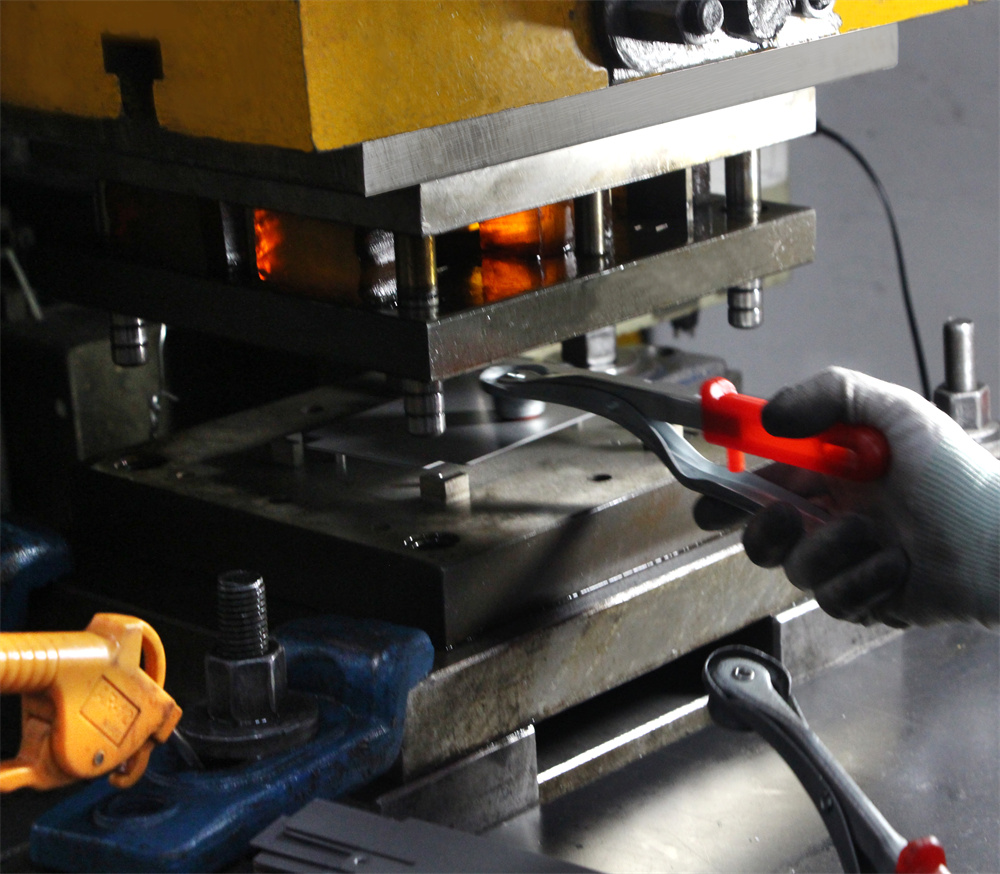
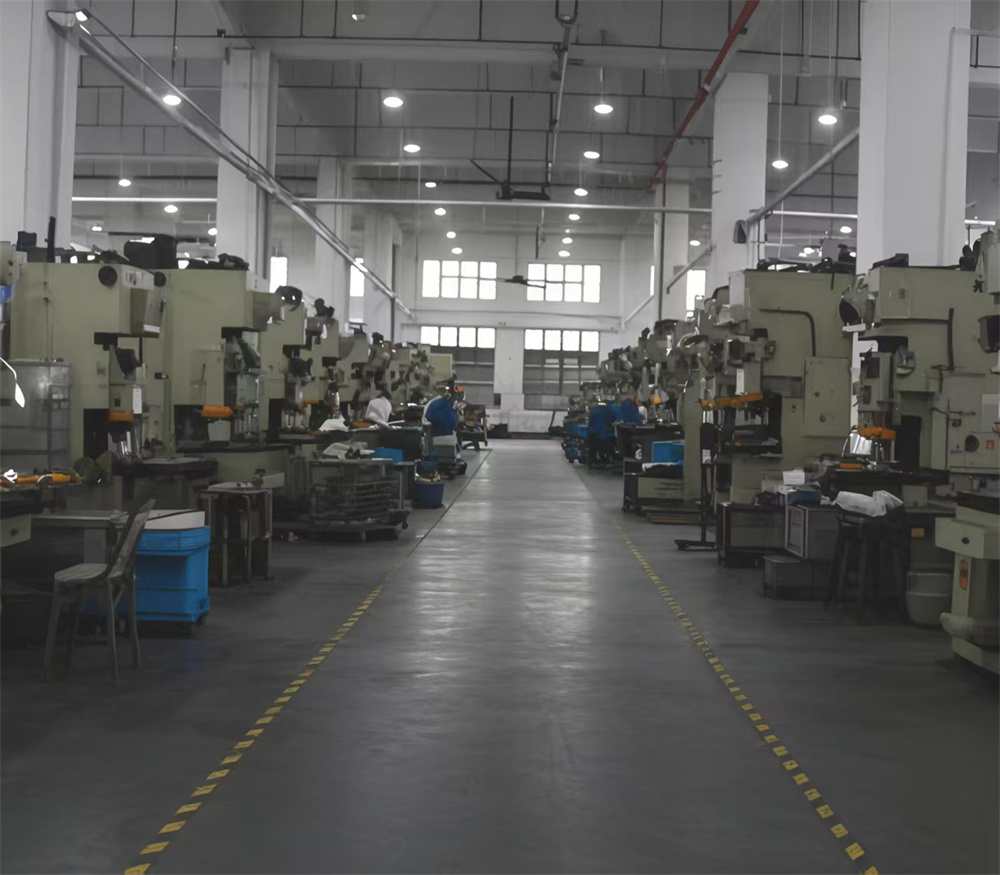
LVMA CNC combines export operations with in-house production capabilities. Our manufacturing capacity covers CNC machining, injection molding, die casting, and stamping, supported by a wide range of established industrial processes. Our operations are governed by a structured quality management system and are ISO 9001 certified.
We process over 100 materials, including copper, steel, aluminum, zinc, and engineering plastics, and supply components for applications in automotive engineering, electrical systems, and furniture hardware.


Four core competencies that set LVMA CNC apart as a precision CNC lathe supplier for consumer electronics manufacturers.
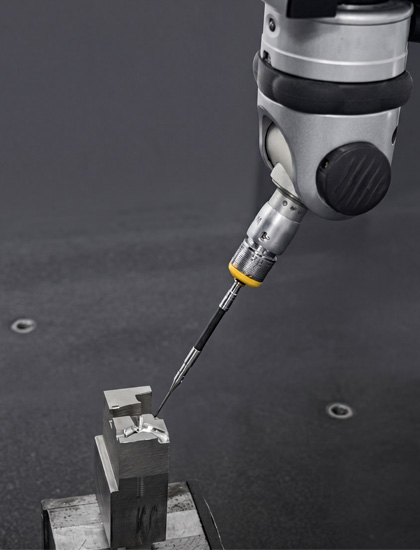
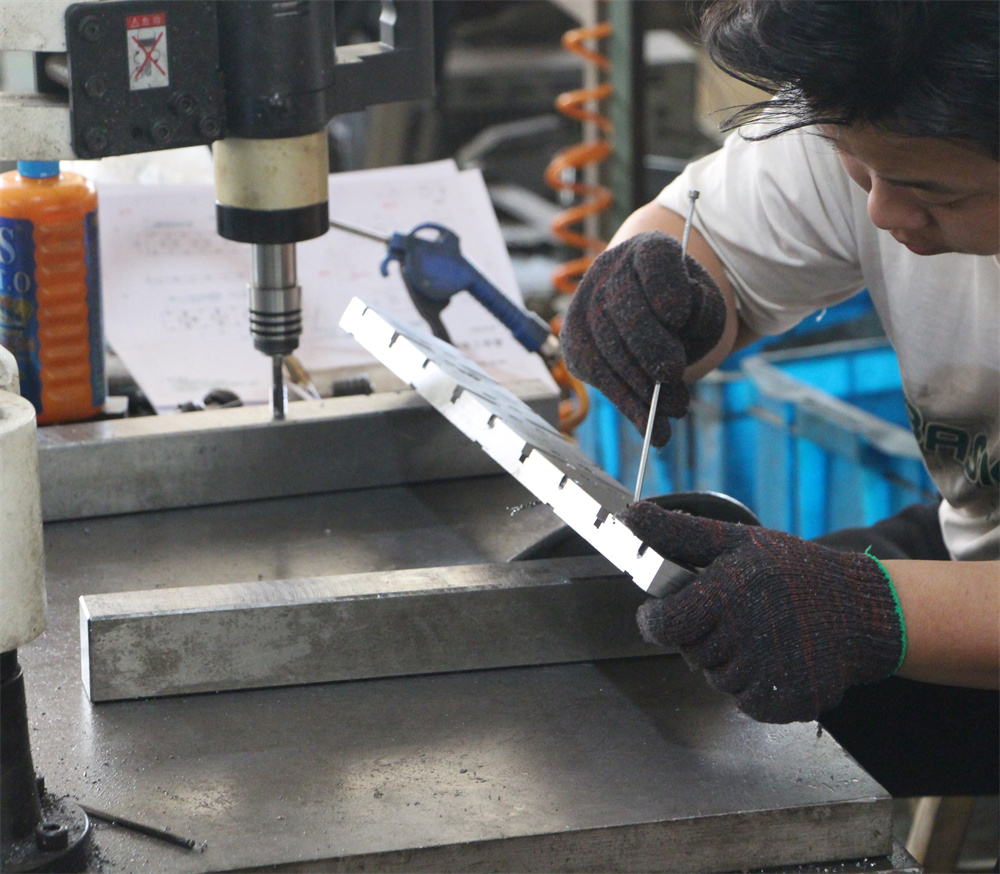
LVMA has a dedicated testing center and a professional inspection team. Every CNC lathe component is verified against production process standards before shipment, ensuring consumer electronics clients receive parts that perform to specification from day one — eliminating costly incoming inspection overhead.
LVMA focuses on the development of non-standard parts and customized components, integrating cross-industry technical resources to meet the design requirements of consumer electronics, automotive parts, precision instruments, hardware and furniture. Our engineers understand the unique constraints of consumer electronics — tight tolerances, aesthetic surface requirements, and high-volume cost targets.
Our business team has rich experience in cost calculation and assessment. With customer development as our corporate culture, we offer 7×24-hour service response. We maintain a mature delivery system with a logistics on-time delivery rate of 99.9% — critical for consumer electronics supply chains operating on just-in-time schedules.
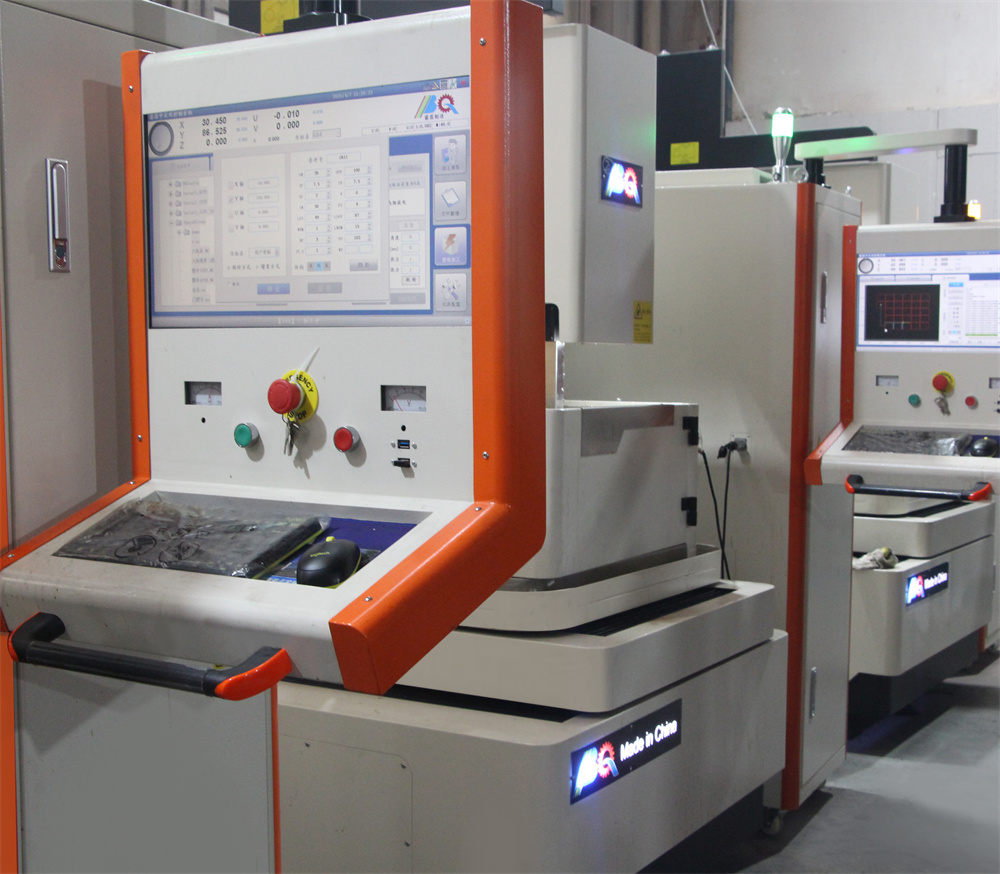
By providing remote diagnosis services through a digital operation platform, based on the data of equipment usage, process improvement is driven and continuously optimized to reduce production costs. From prototype DFM review through mass production and engineering change management, LVMA supports consumer electronics brands at every product lifecycle stage.
LVMA CNC offers standardized component inspection as well as tailored inspection solutions for consumer electronics clients requiring traceability and statistical process control documentation.
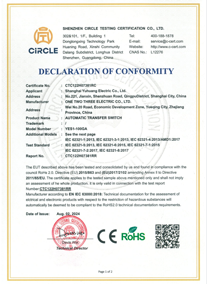
Backed by ISO 9001, ISO 14001, and ISO 45001 certifications, LVMA CNC guarantees uncompromising quality by providing comprehensive SGS testing, detailed dimensional inspection reports, Material Test Certificates (MTC), and industry-specific CE compliance.


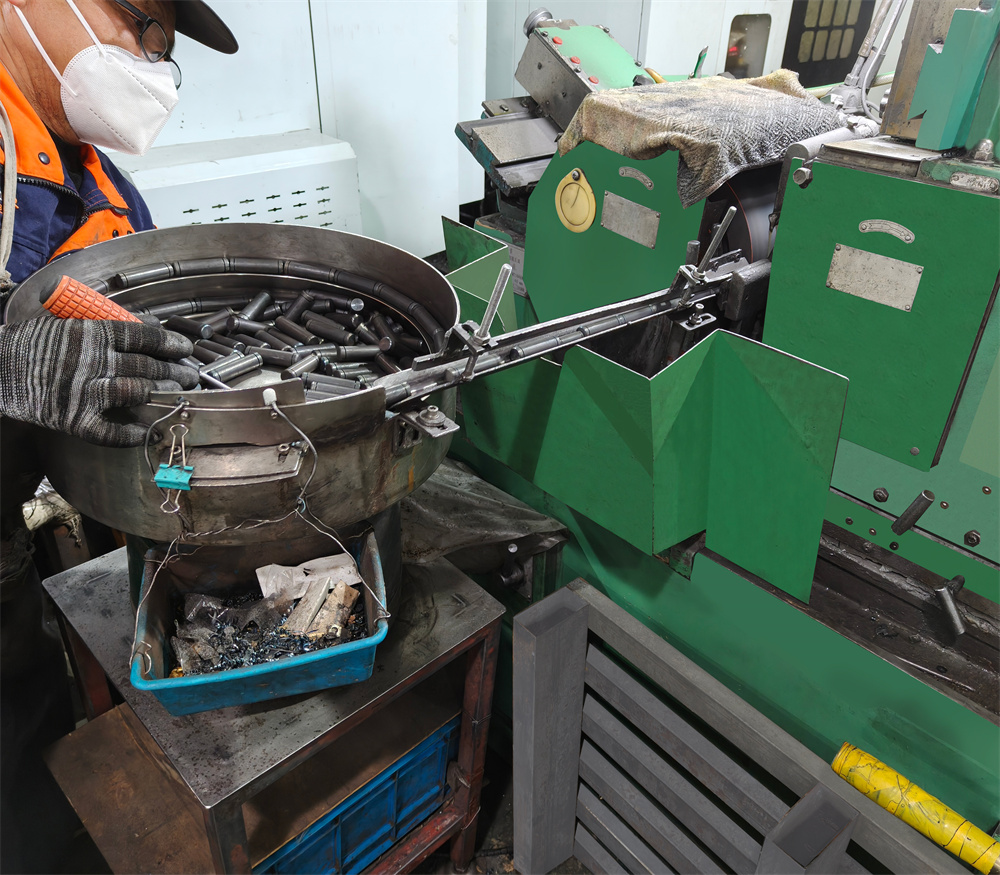
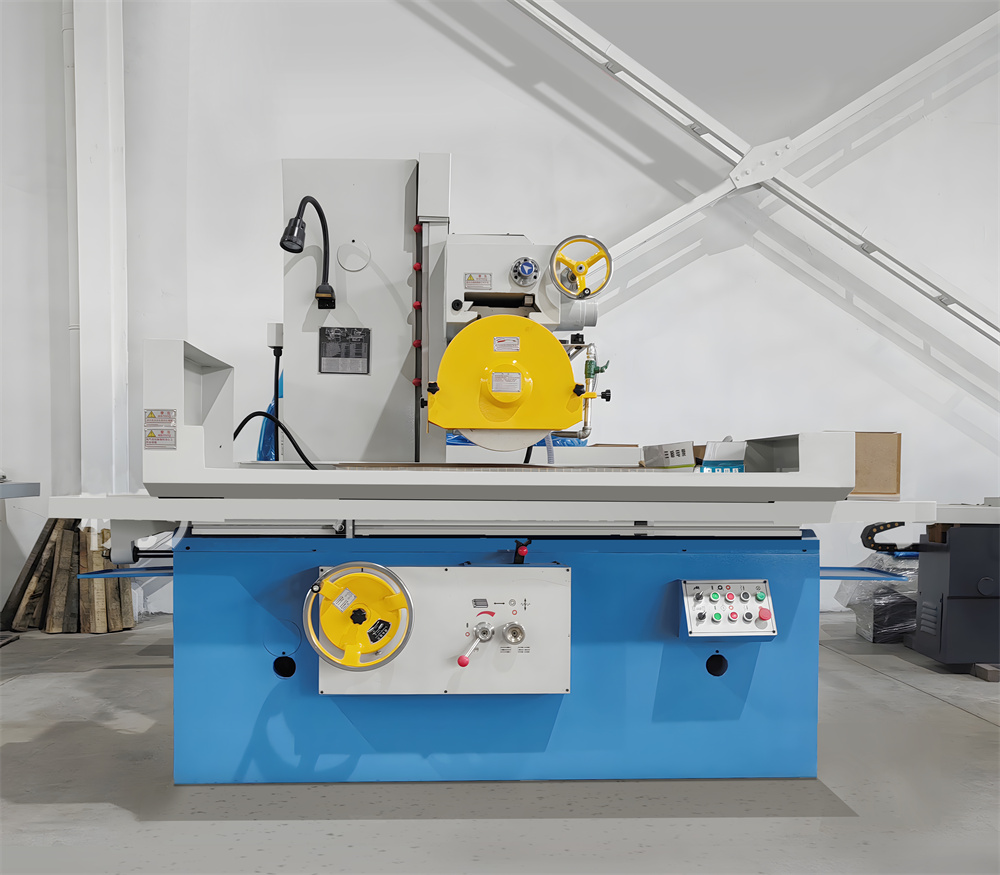
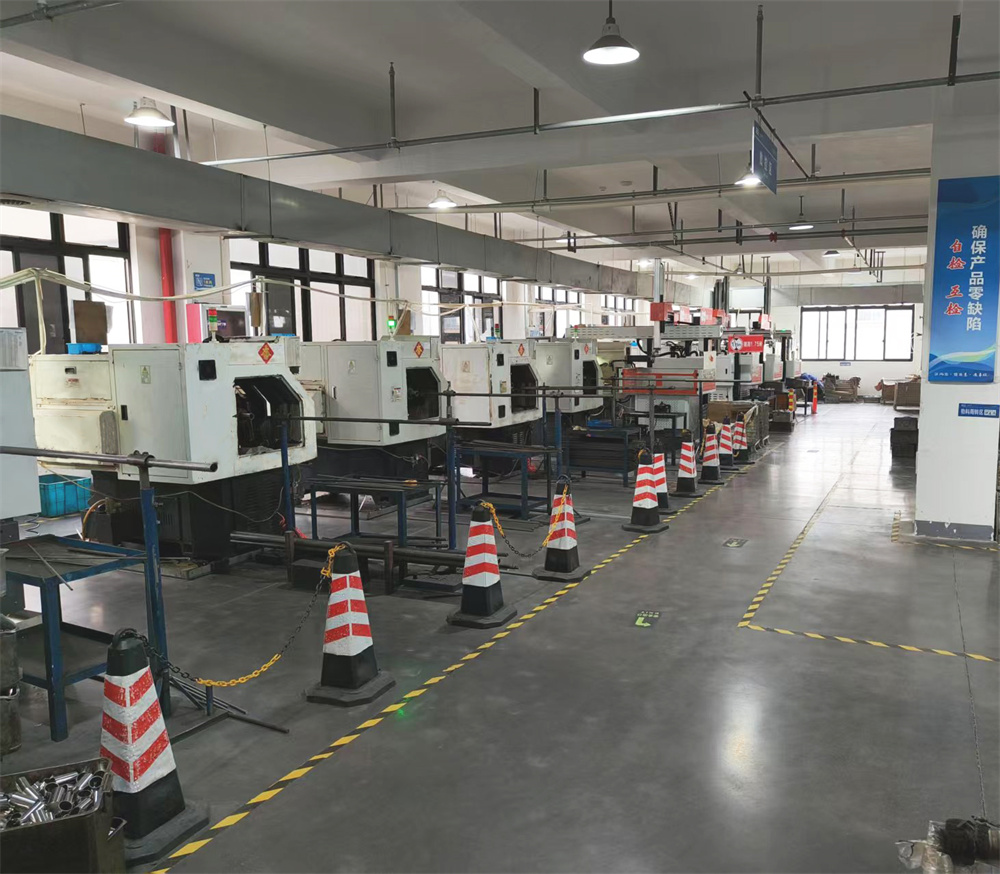
State-of-the-art CNC lathe machining facilities producing precision parts for consumer electronics brands worldwide.


From raw material tracking to production waste recycling, we have collaborated with upstream and downstream partners to implement multiple carbon reduction plans. Our factory has obtained ISO 14001 certification and is committed to becoming a low-carbon benchmark supplier recognized by customers. Consumer electronics brands partnering with LVMA CNC gain access to transparent carbon footprint reporting for their Scope 3 supply chain disclosures.
Click for InquiryExplore our full range of precision-machined components and manufacturing services tailored for consumer electronics applications.