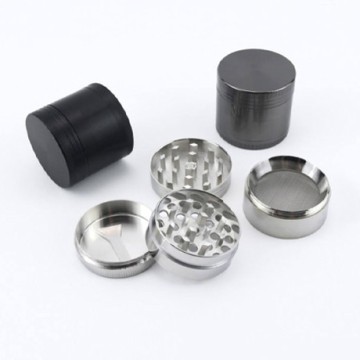
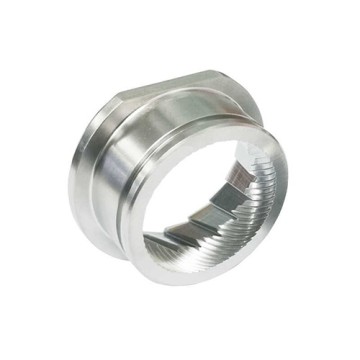
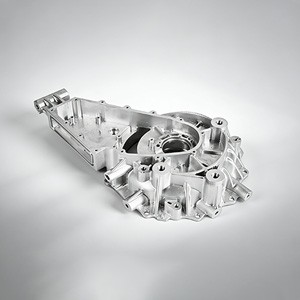
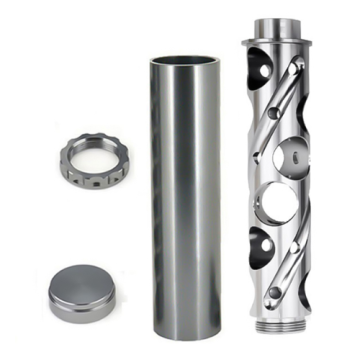
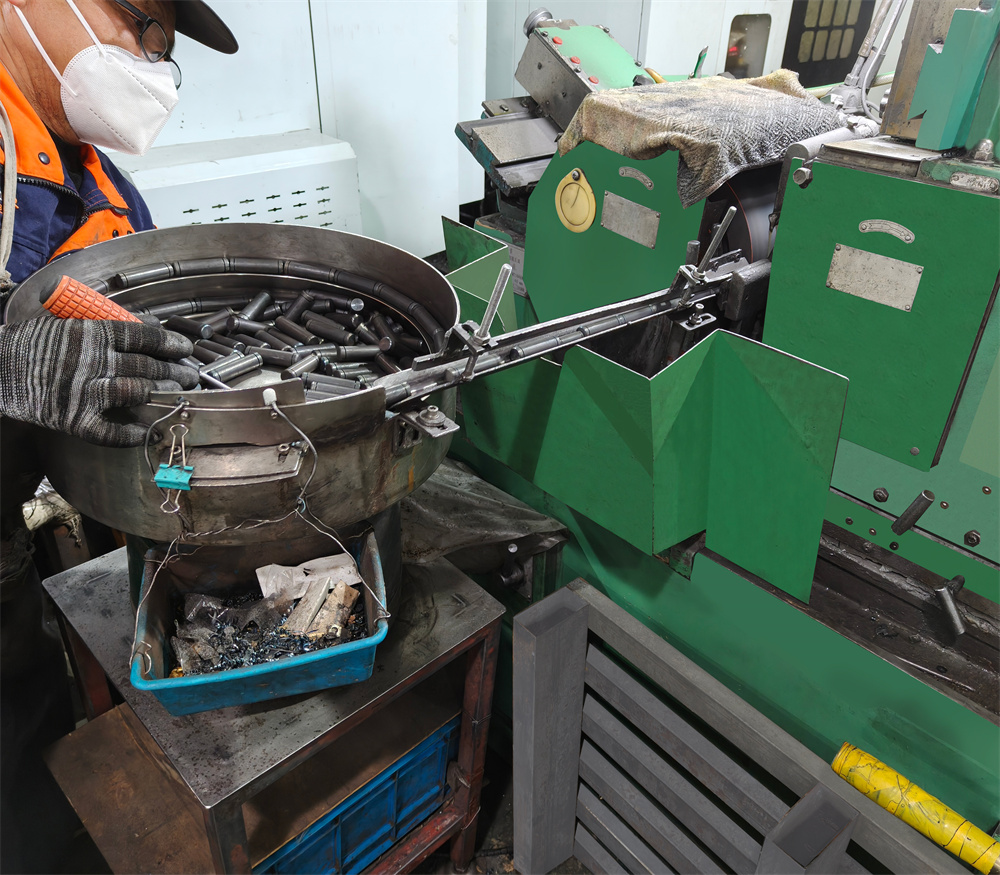
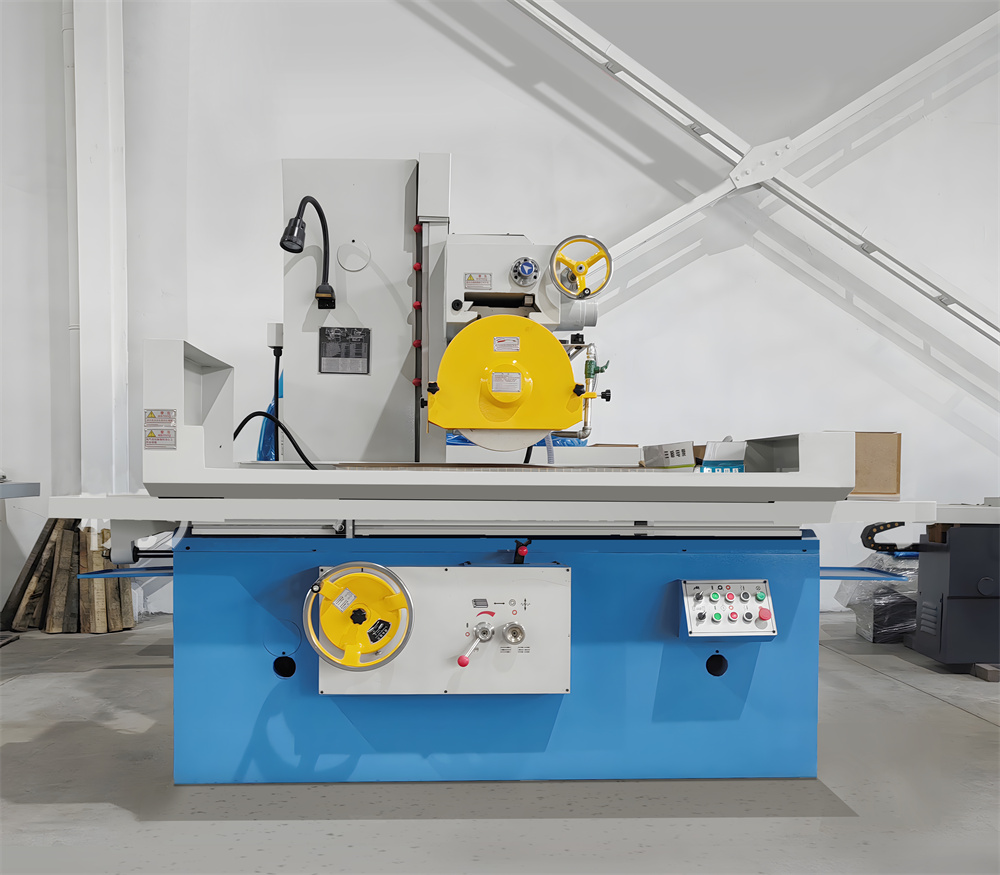
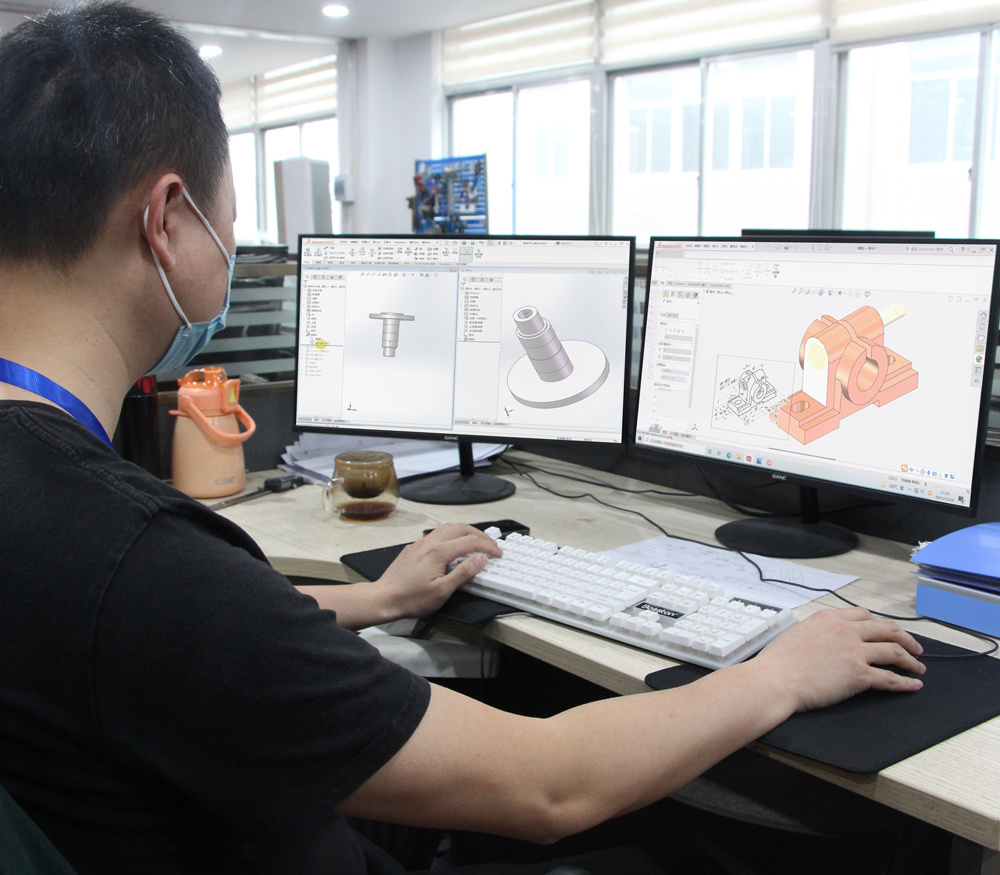
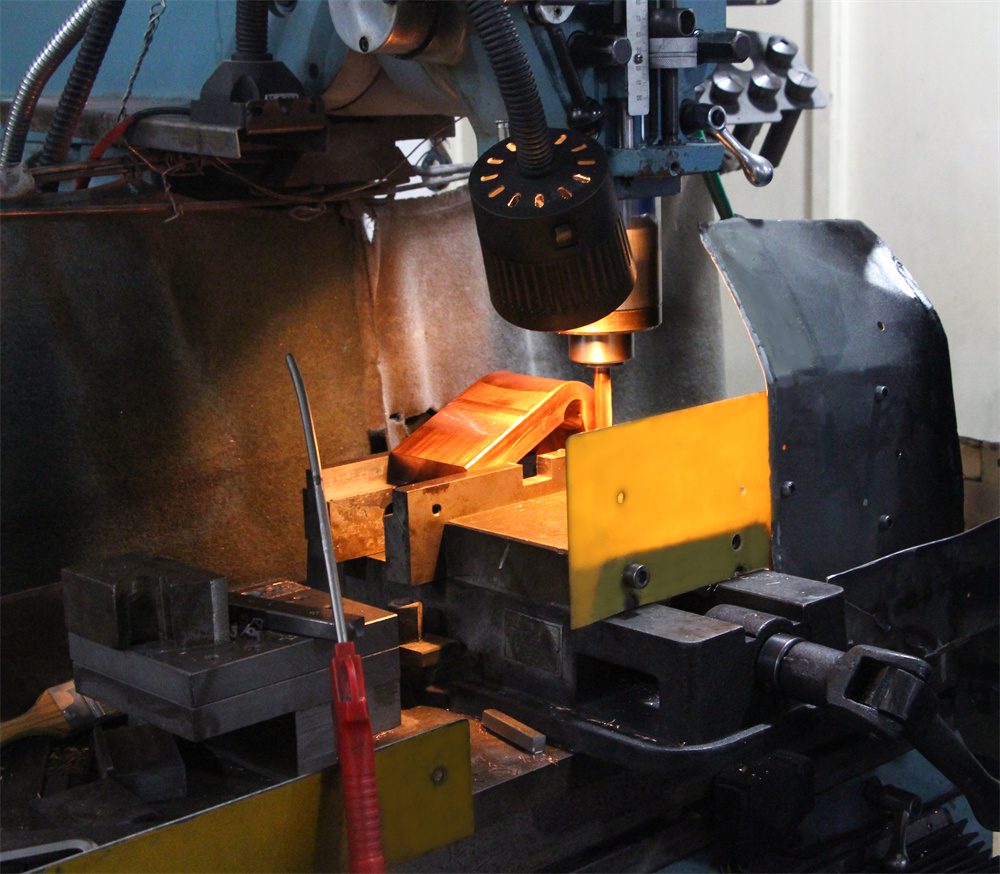
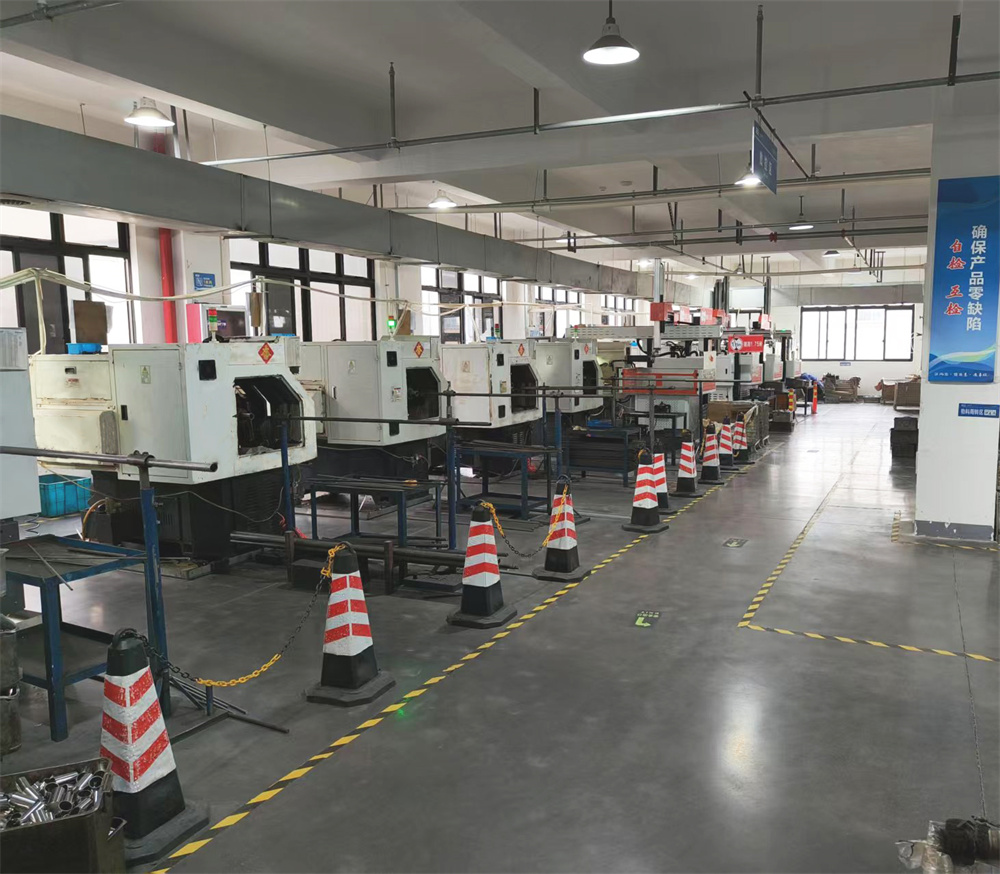
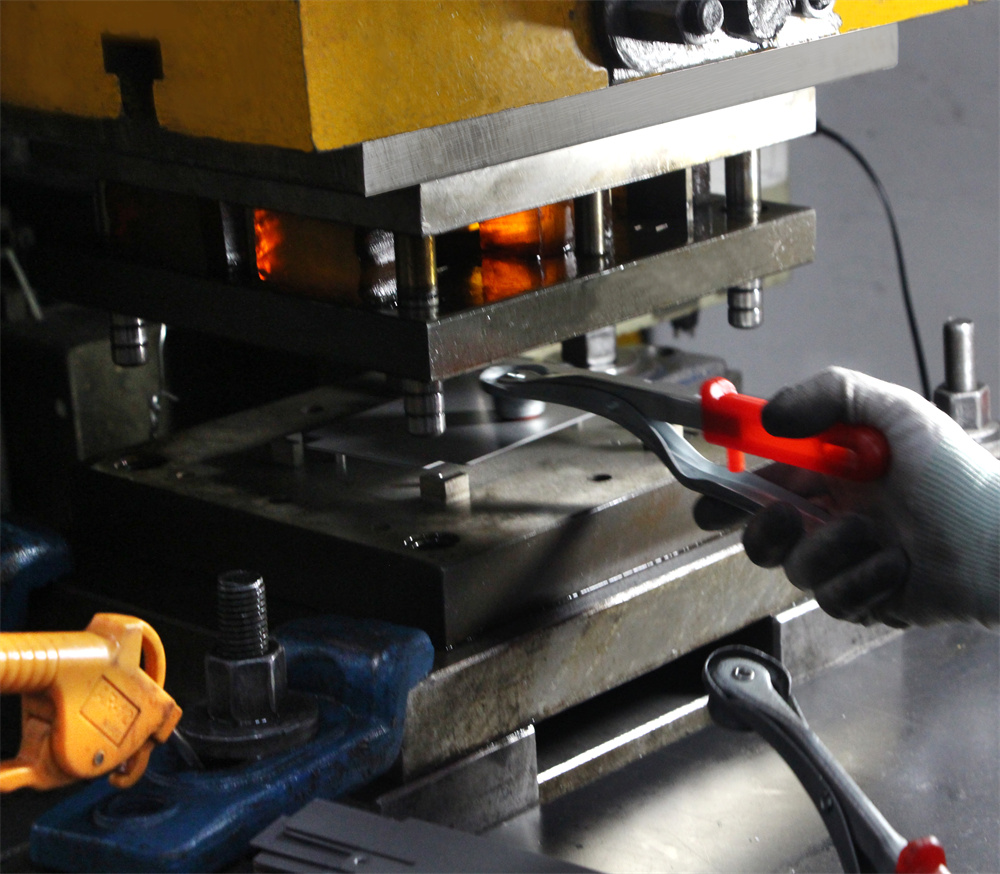
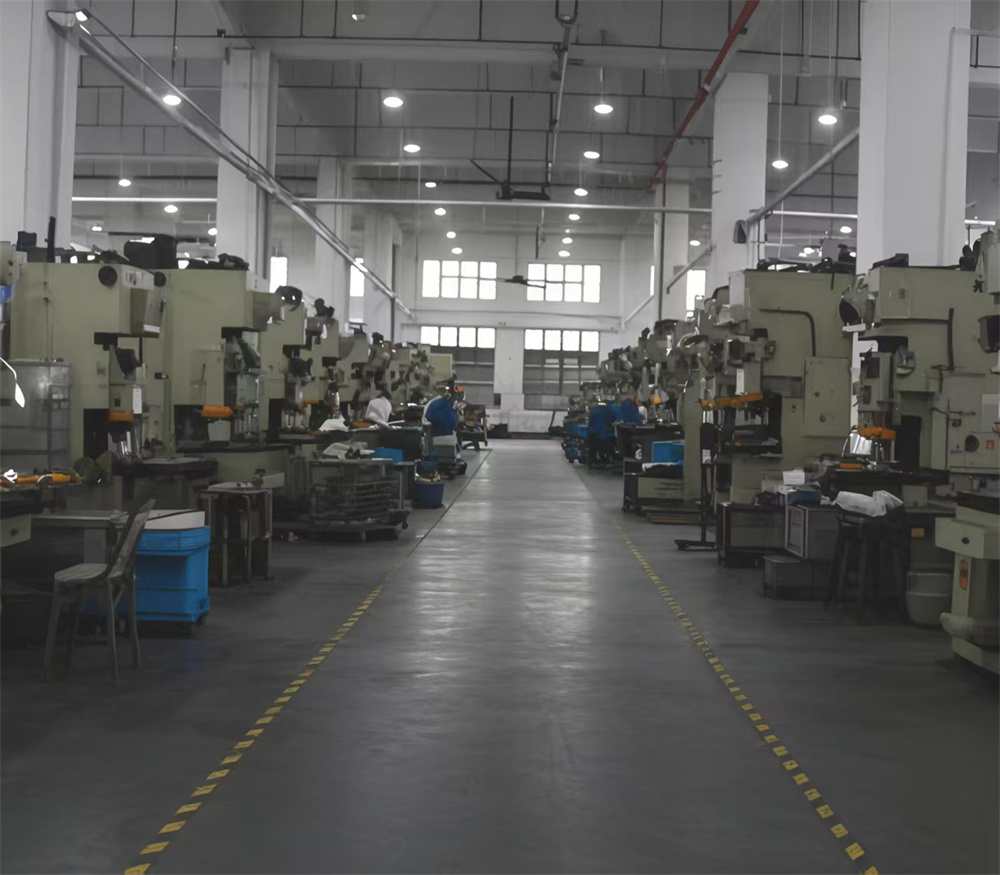
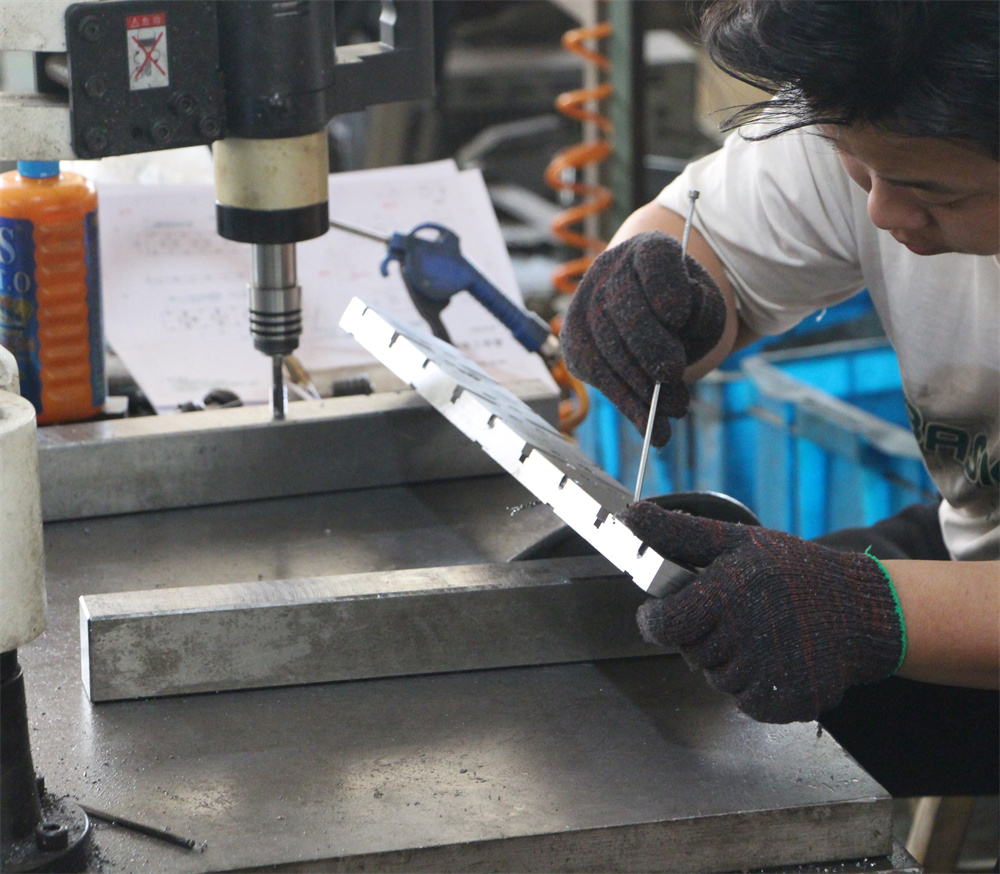
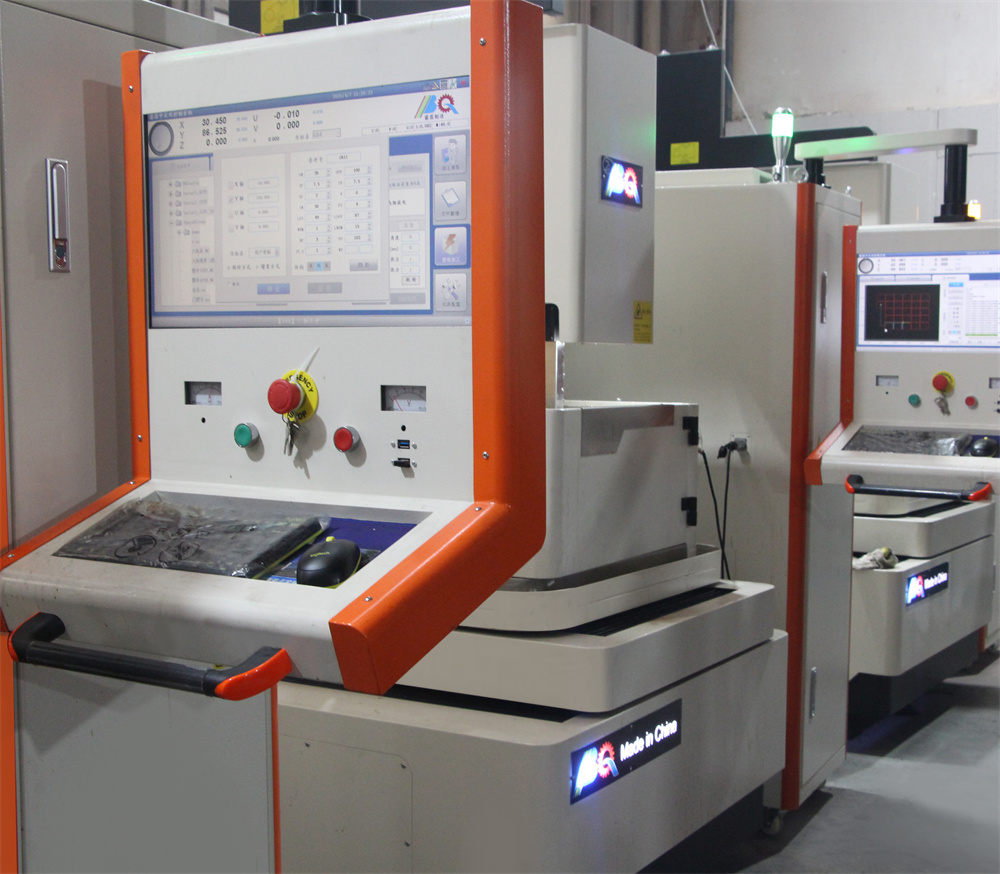
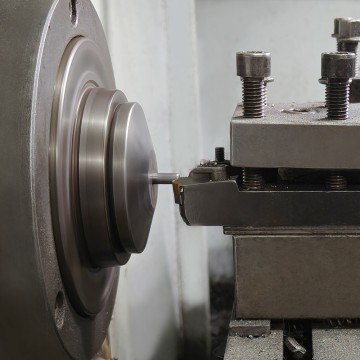
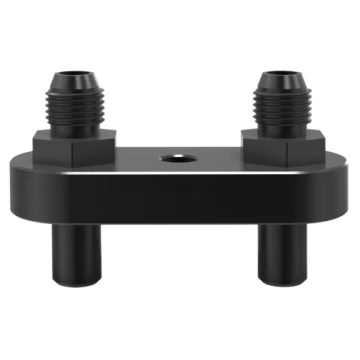
The consumer electronics industry stands as one of the most demanding sectors for precision-engineered components. As devices shrink in size while expanding in capability, manufacturers increasingly rely on CNC (Computer Numerical Control) machined auto parts to deliver the dimensional accuracy, surface finish quality, and material consistency that modern electronics demand. From the aluminum chassis of a laptop to the stainless steel grinding burrs inside a smart kitchen appliance, CNC machining bridges the gap between design intent and functional reality.
⚡
Key Insight: The global CNC machining market serving consumer electronics is projected to exceed USD 110 billion by 2030, driven by miniaturization trends, smart home adoption, and the proliferation of wearable devices requiring sub-millimeter tolerances.
Commercial Landscape: CNC Parts in the Consumer Electronics Market
Consumer electronics brands — from premium smartphone manufacturers to household appliance giants — have fundamentally transformed their supply chain strategies over the past decade. Instead of relying solely on stamped or die-cast components, OEMs and Tier-1 suppliers now mandate CNC-machined parts for critical assemblies where dimensional variance cannot be tolerated. The shift is commercially significant: CNC machining enables just-in-time production, rapid design iteration, and the ability to switch materials without retooling — all critical advantages in a market driven by annual product refresh cycles.
China-based CNC suppliers, such as LVMA CNC, have emerged as indispensable partners in this ecosystem. With over 500 engineers, 500+ advanced machines, and a 99.9% first-pass quality rate, manufacturers like LVMA deliver the scale and precision that global electronics brands require — at competitive cost structures that domestic suppliers in North America or Europe often cannot match for high-volume, complex geometries.
Industrial Trends Shaping CNC Demand in Electronics
Several macro-level trends are accelerating the adoption of precision CNC components across consumer electronics:
Miniaturization and Tolerance Tightening: Modern smartphones contain structural components machined to tolerances of ±0.005mm. Wearables and earbuds demand even tighter specs. CNC five-axis machining centers are now standard equipment for producing these micro-components at production scale.
Premium Material Adoption: Consumers increasingly expect devices with aluminum alloy, titanium, or stainless steel housings. CNC machining is the only viable process for achieving the mirror-finish aesthetics and structural integrity these materials require in complex geometries.
Smart Home & IoT Proliferation: The explosion of connected home devices — smart speakers, robotic vacuum cleaners, automated coffee machines, and air purifiers — has created massive demand for precision-machined housings, motor mounts, sensor brackets, and grinding mechanisms. Each of these product categories requires custom CNC components produced in volumes ranging from prototype batches to millions of units annually.
EV-Adjacent Consumer Products: As electric mobility permeates daily life, consumer electronics increasingly incorporates automotive-grade components — from precision-machined charging connectors and battery management hardware to aluminum heat sinks for high-power electronics. This convergence between automotive CNC standards and consumer electronics requirements creates new opportunities for suppliers with cross-domain expertise.
Why CNC Precision Matters for Consumer Electronics Reliability
Consumer electronics operate in demanding thermal, mechanical, and electromagnetic environments. A poorly toleranced enclosure can compromise EMI shielding. An imprecise motor mount in a smart appliance leads to vibration, noise, and premature failure. CNC machining eliminates these failure modes by delivering consistent geometry across every part in a production run — whether the order is 10 prototype units or 500,000 production components.
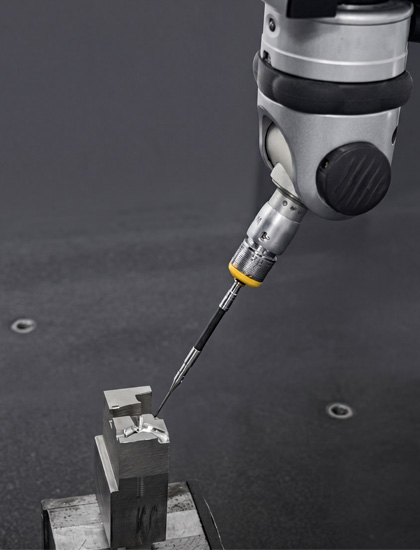
LVMA CNC's quality management infrastructure — including CMM inspection, First Article Inspection Reports per AS9102, and full Material Test Certificates — ensures that every component shipped meets the functional and cosmetic standards that consumer electronics brands demand before a product reaches retail shelves.
 New
 Blog
 FAQ
 Download


 Services
 CNC Machining
 Die Casting
 Sheet Metal
 Prototyping
 Injection Molding
 Architecture&Decorative
 Industries
 Gift & Craft
 New Energy
 Industrial Equipment
 Electrical
 Automotive
 Hardware
 Resources
 Contact Email
 Wechat