The global aluminium die casting market for industrial machinery is experiencing robust growth, projected to surpass USD 38 billion by 2030, driven by the accelerating adoption of automation, electric machinery, and smart factory systems. As manufacturers worldwide seek to reduce component weight while maintaining structural integrity and thermal performance, aluminium die casting has become the process of choice for producing complex, high-volume industrial parts.
Industrial machinery sectors — including CNC machine tools, robotics, conveyor systems, hydraulic equipment, and power generation units — increasingly depend on precision aluminium die casting parts for housings, gear cases, motor covers, brackets, and fluid management components. The combination of aluminium's excellent strength-to-weight ratio, corrosion resistance, and thermal conductivity makes it uniquely suited to the demanding requirements of modern industrial environments.
China remains the world's largest producer of aluminium die casting components, accounting for over 40% of global output, with manufacturing hubs in Zhejiang, Guangdong, and Jiangsu provinces delivering components to OEM customers across 80+ countries.
Key Insight: Aluminium die casting reduces component weight by up to 60% compared to steel equivalents, directly improving energy efficiency in industrial machinery — a critical factor as global industries pursue carbon neutrality targets.
Machine learning algorithms now monitor injection pressure, mold temperature, and cooling rates in real time, reducing defect rates by up to 35% and enabling predictive maintenance of die casting equipment — a paradigm shift from reactive to proactive quality control in industrial component production.
The global push toward electric industrial vehicles, electric forklifts, and electrified conveyor systems is creating massive demand for lightweight aluminium die casting housings for motors, inverters, and battery management units. Thin-wall die casting technology now achieves wall thicknesses below 1.5mm for these applications.
Secondary (recycled) aluminium alloys now account for over 75% of die casting feedstock in leading factories, reducing energy consumption by up to 95% compared to primary aluminium smelting. ISO 14001-certified manufacturers are pioneering closed-loop recycling systems that align with industrial customers' Scope 3 carbon reduction targets.
Advanced vacuum die casting and rheocasting (semi-solid metal forming) technologies are enabling the production of heat-treatable, weldable aluminium components with near-zero porosity — opening up structural machinery applications previously reserved for forged or machined parts.
Die casting cells are increasingly integrated into digital manufacturing ecosystems with MES (Manufacturing Execution Systems), real-time SPC (Statistical Process Control), and digital twin simulation. This enables customers to receive live production dashboards and traceability data for every batch of industrial machinery components.
Design for Manufacturability (DFM) tools are enabling engineers to consolidate multiple machined or stamped parts into single die cast components, reducing assembly time, eliminating fasteners, and improving the structural rigidity of industrial machinery subassemblies by up to 40%.
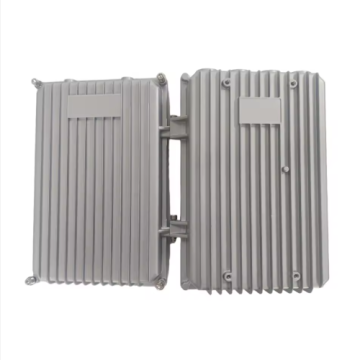
Aluminium die casting motor covers and gearbox housings provide superior thermal management, vibration dampening, and electromagnetic shielding for industrial servo motors, induction motors, and gear reducers. Integrated cooling fins and mounting bosses are cast-in, eliminating secondary operations and reducing total component cost by 25–40%.
As Industry 4.0 deployments proliferate, factory floors require robust aluminium enclosures for wireless access points, IoT gateways, and antenna systems. Die cast aluminium provides IP67-rated sealing, RF shielding, and thermal stability across -40°C to +85°C operating ranges — essential for reliable industrial wireless infrastructure.
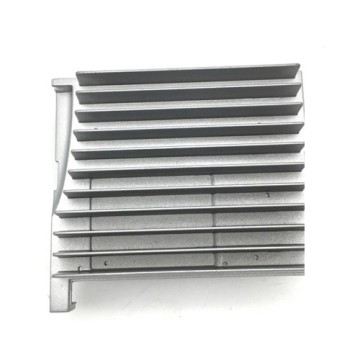
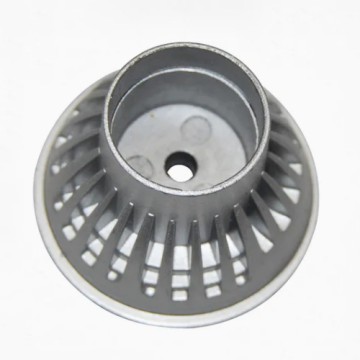
High-bay LED luminaires, explosion-proof lighting, and machine vision illumination systems rely on precision aluminium die casting housings for thermal management and structural protection. Integrated heat sink geometries with optimised fin arrays enable LED junction temperatures to remain below 85°C even in ambient temperatures exceeding 50°C.
Aluminium die casting is extensively used for hydraulic valve bodies, manifold blocks, pump housings, and pneumatic cylinder end caps in industrial machinery. The process enables complex internal porting geometries with tight dimensional tolerances, reducing machining requirements and leak paths compared to fabricated alternatives.
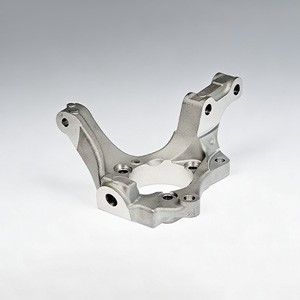
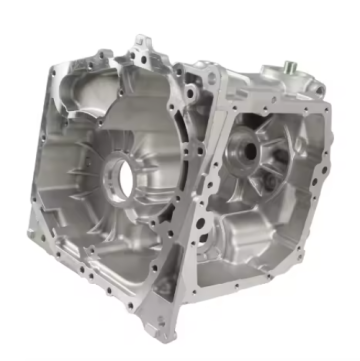
Industrial vehicle transmissions, agricultural machinery gearboxes, and construction equipment powertrain systems demand aluminium die casting cases that withstand high torque loads, thermal cycling, and exposure to lubricants. High-silicon aluminium alloys (ADC12, A380) provide the wear resistance and pressure tightness required for these critical applications.
Variable frequency drives (VFDs), servo amplifiers, PLC enclosures, and industrial UPS systems increasingly use aluminium die casting for their thermal management housings. The ability to integrate heat sink structures, EMI shielding walls, and precision mounting features in a single casting significantly reduces the total cost of ownership for industrial automation OEMs.
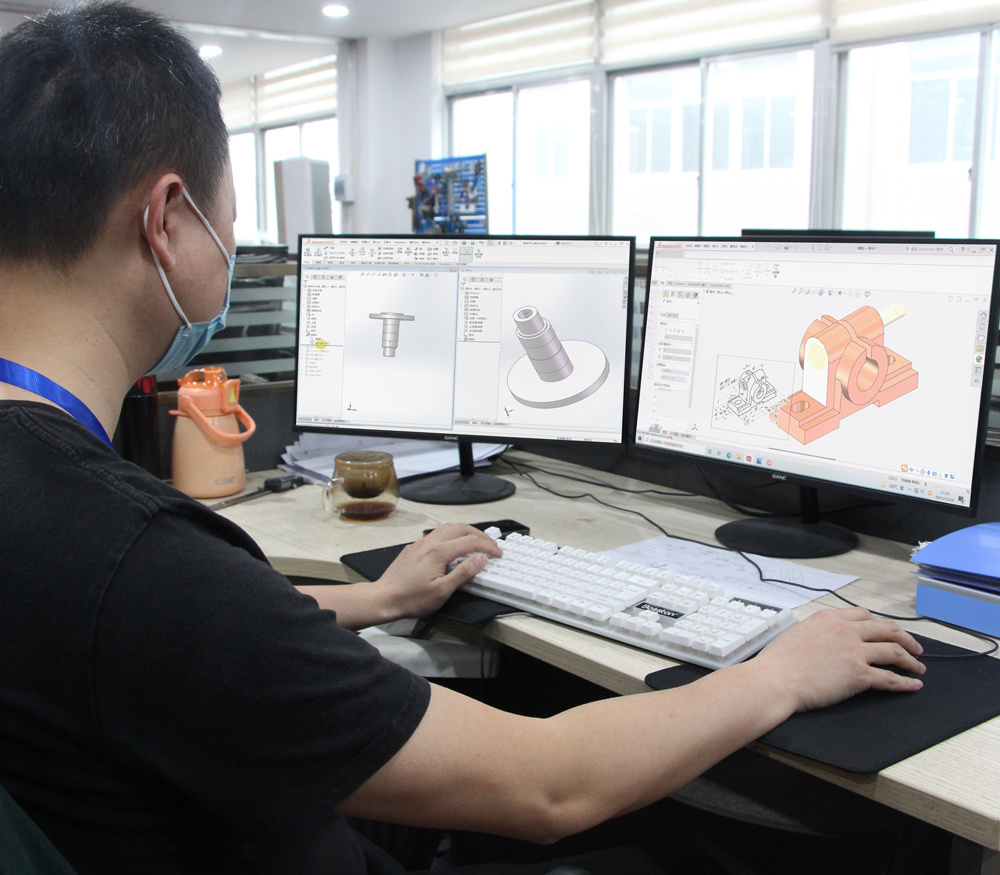
Our engineering team conducts Design for Manufacturability review using Moldflow simulation to optimise gate locations, runner systems, and cooling channels before any tooling investment is committed.
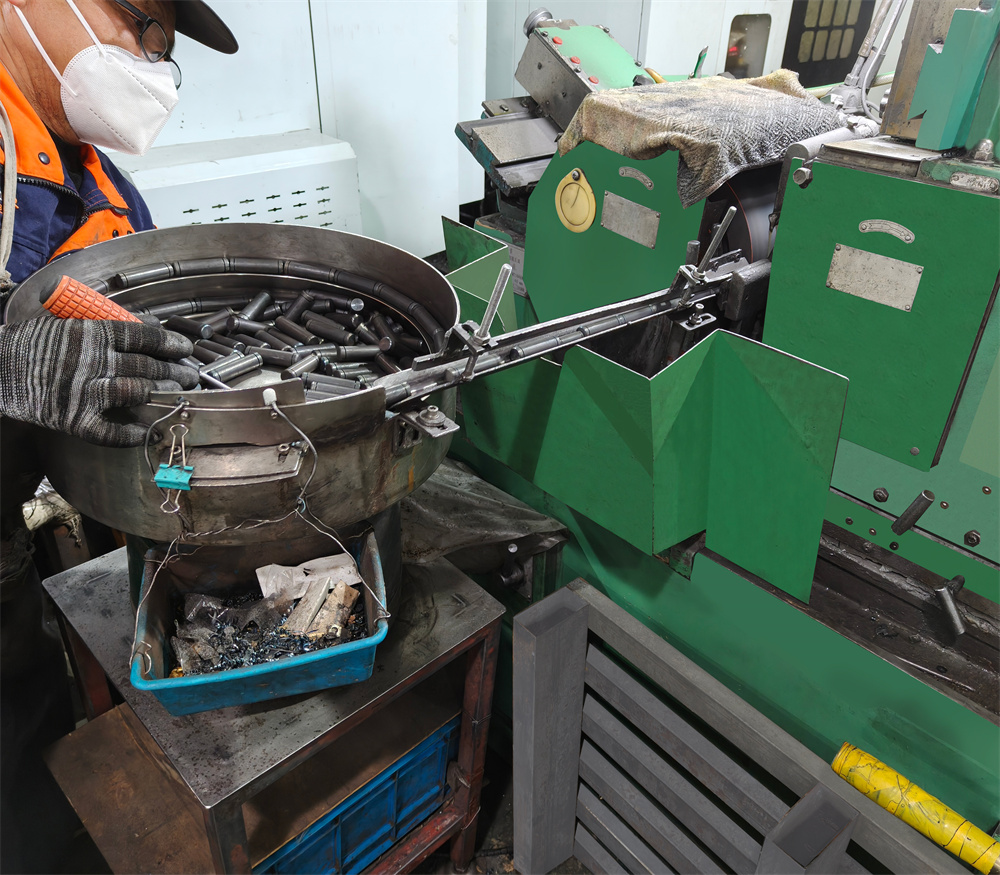
Using 250T–1600T cold-chamber HPDC machines with real-time process monitoring, we inject aluminium alloys at 30–80 m/s to fill complex industrial component geometries with consistent density and surface quality.
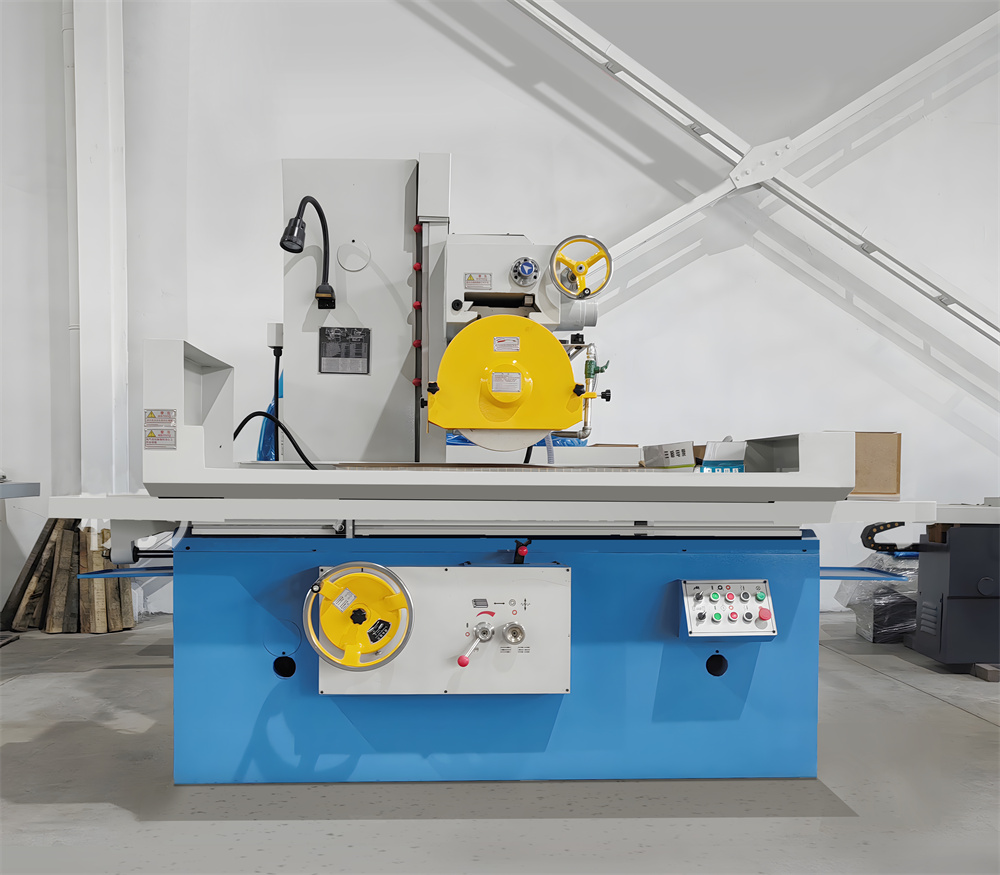
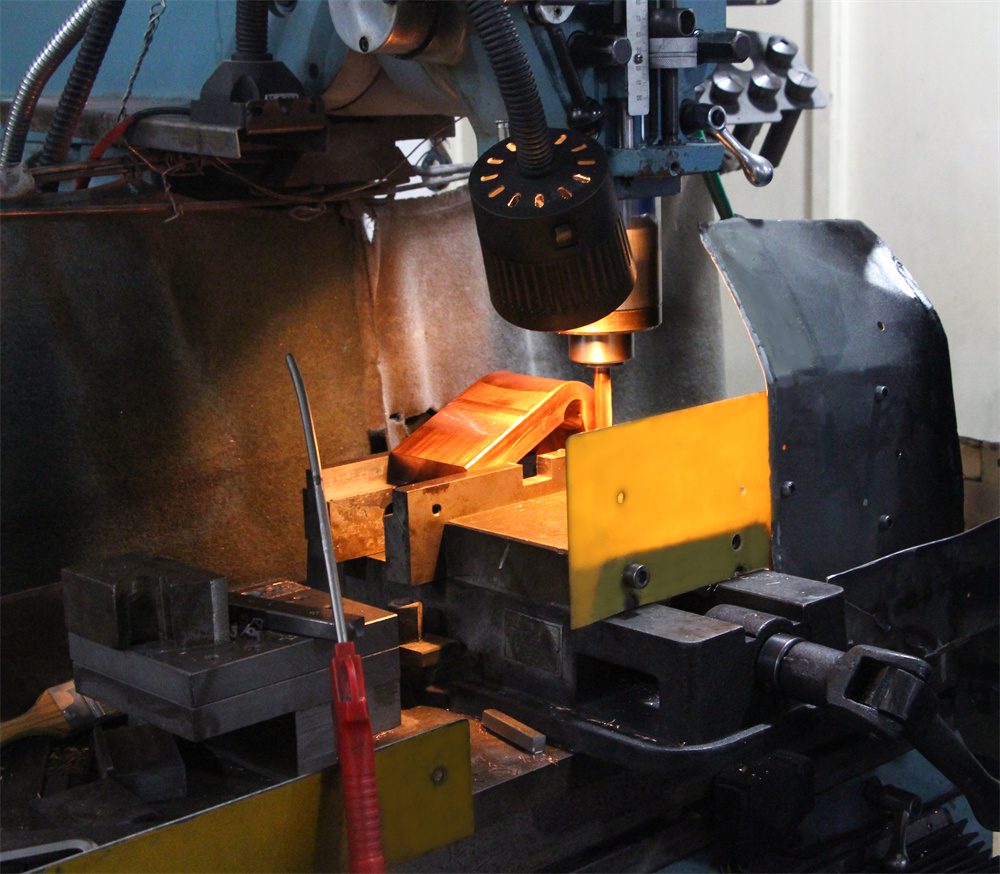
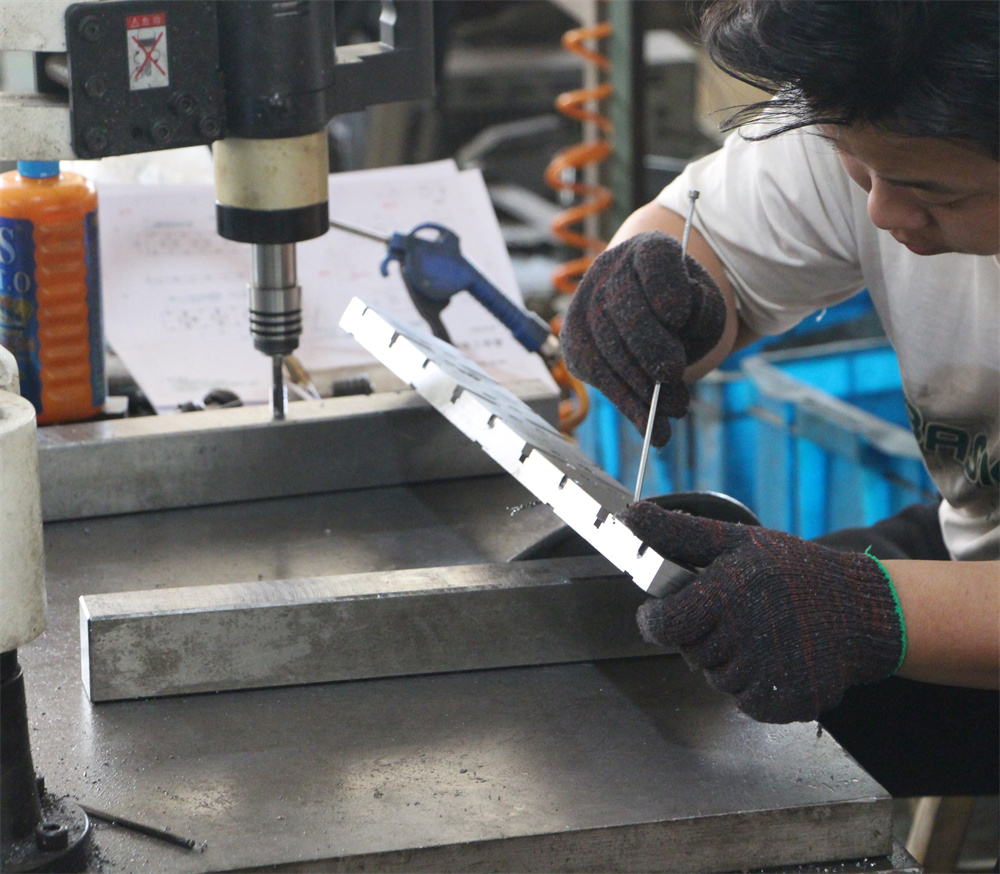
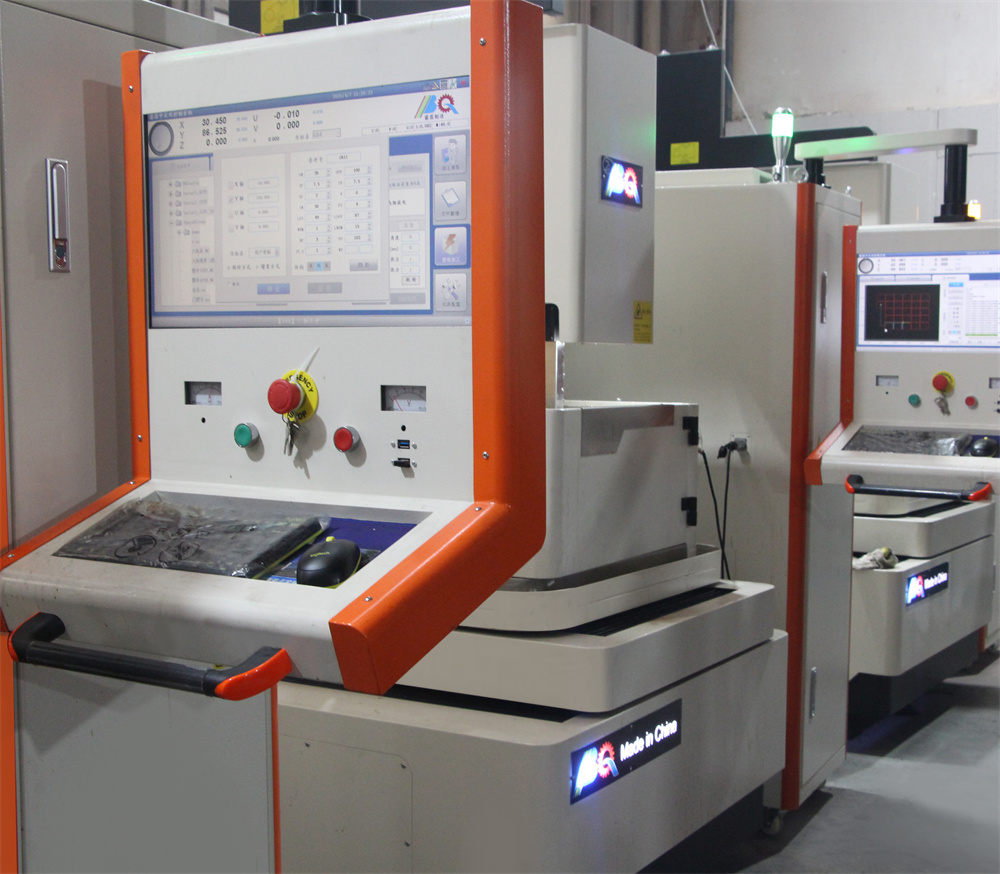
Critical mating surfaces, threaded features, and precision bores are CNC machined to tolerances as tight as ±0.01mm using 5-axis machining centres, ensuring perfect fit and function in industrial machinery assemblies.
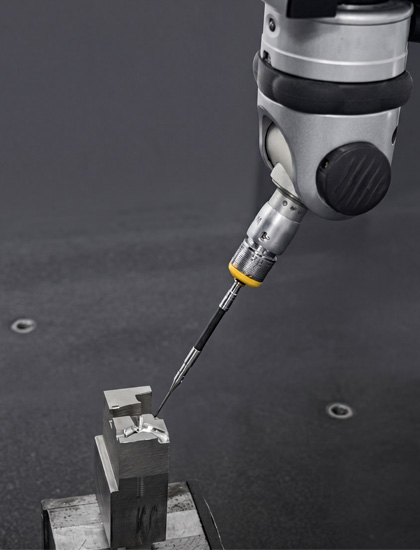
Shot blasting, anodising, powder coating, or chromate conversion coatings are applied per customer specification, followed by CMM dimensional inspection, pressure testing, and X-ray porosity analysis where required.
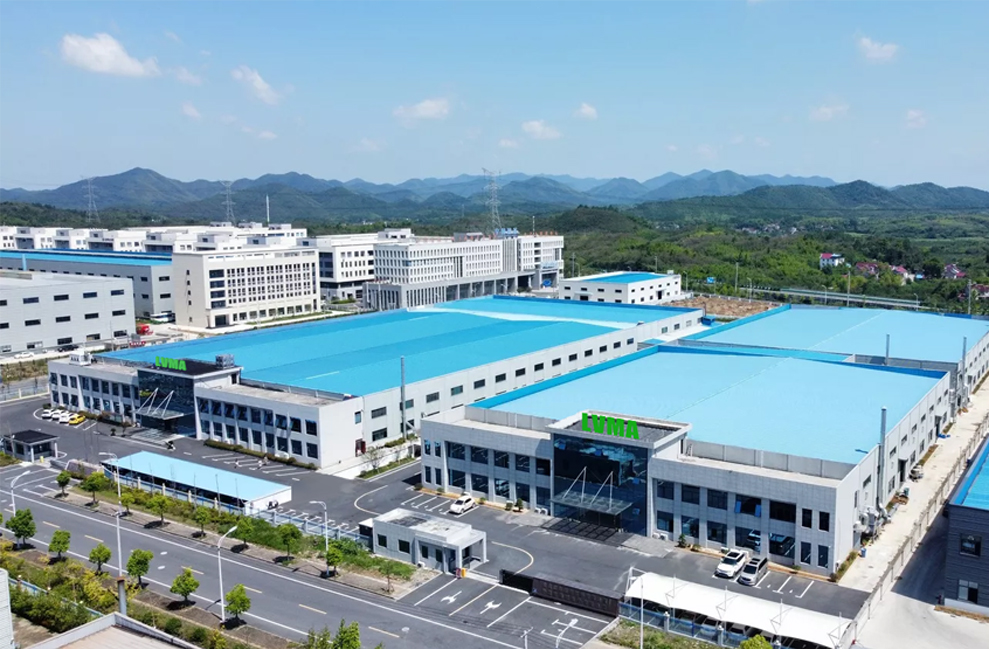
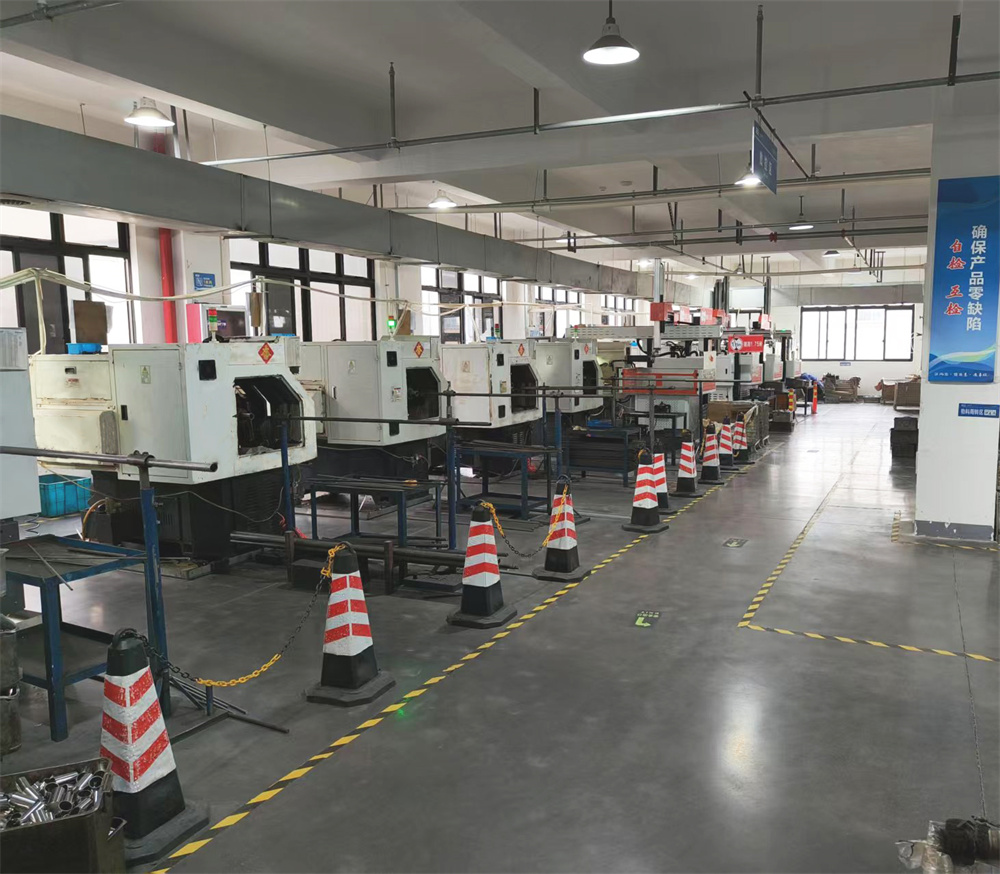
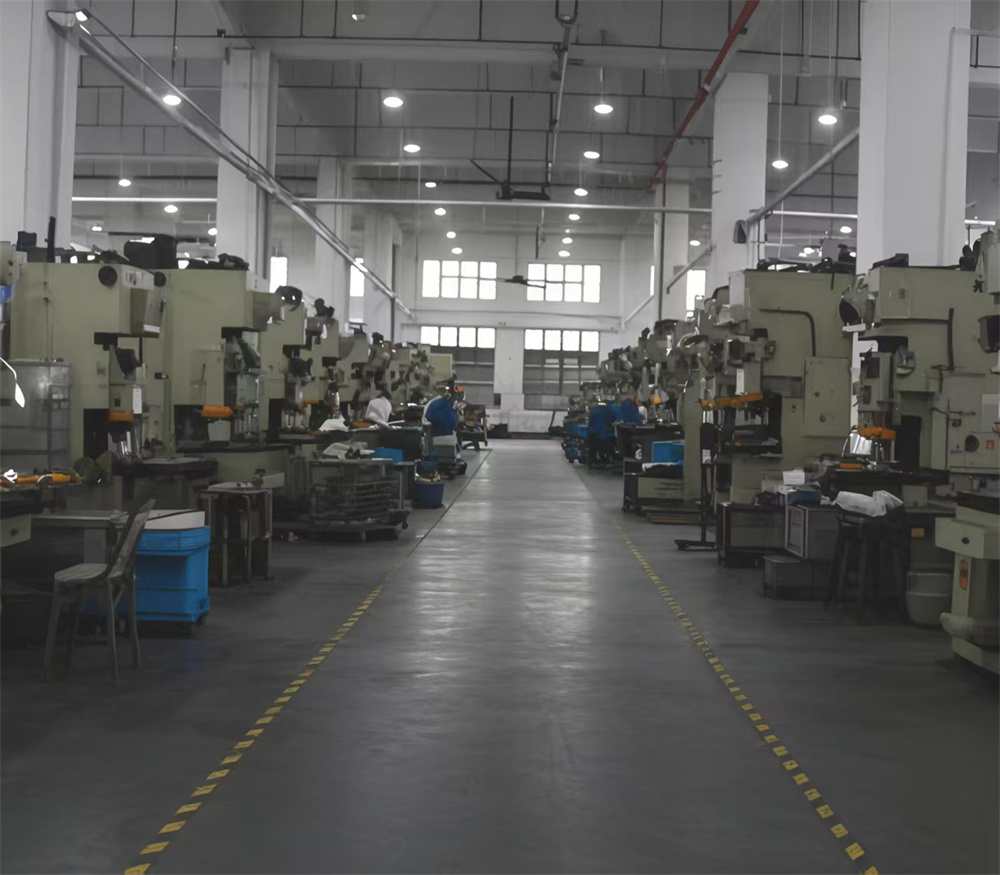
LVMA CNC was established in 2018 as an integrated division focused on parts machining and export services. Our own factory, founded in 2004, contributes more than 20 years of experience in precision manufacturing.
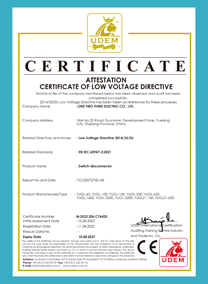
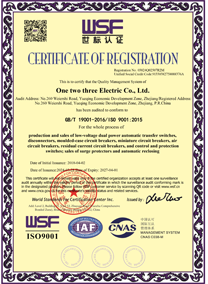
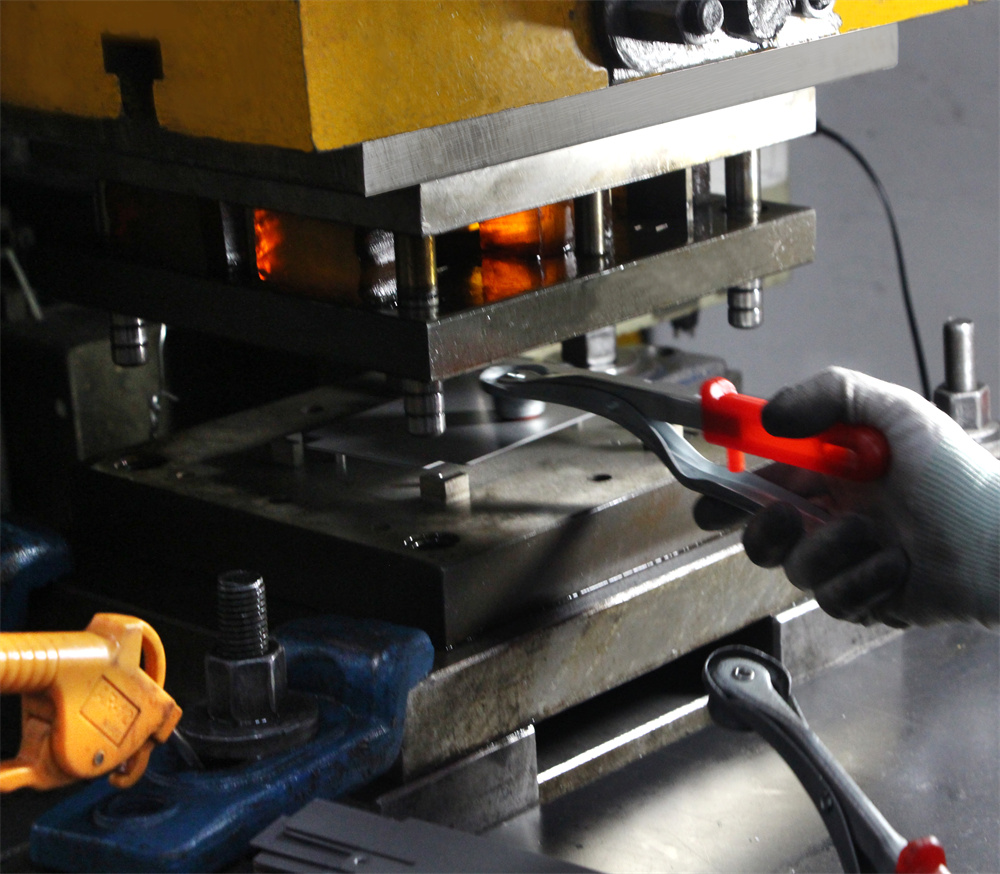
LVMA CNC combines export operations with in-house production capabilities. Our manufacturing capacity covers CNC machining, injection molding, die casting, and stamping, supported by a wide range of established industrial processes. Our operations are governed by a structured quality management system and are ISO 9001 certified.
We process over 100 materials, including copper, steel, aluminum, zinc, and engineering plastics, and supply components for applications in automotive engineering, electrical systems, and furniture hardware.


At LVMA CNC, our mission is to drive production line automation through our AI platform, enabling our clients to accelerate product iteration. By seamlessly blending cutting-edge manufacturing technologies with a collaborative network, we provide our customers with solutions characterized by precise delivery, scalable mass production, and rapid iteration capabilities.
LVMA CNC offers standardized component inspection as well as tailored inspection solutions for aluminium die casting parts destined for industrial machinery applications. Every component is traceable from raw material to final shipment.
LVMA has a dedicated testing centre and a professional quality team. Products are inspected against production process standards before leaving the factory, ensuring every customer receives components that meet or exceed specification for their industrial machinery application.
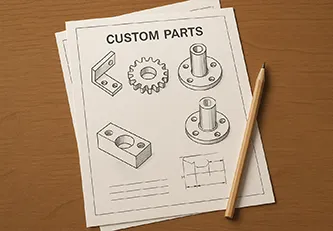
LVMA focuses on non-standard and customized component development, integrating cross-industry technical resources to meet the design requirements of automotive parts, precision instruments, industrial automation hardware, and more.
Our business team has extensive experience in cost assessment and international logistics. With customer development as our core culture, we offer 7×24-hour service response and a mature delivery system with a 99.9% on-time logistics rate.
By providing remote diagnosis through a digital operations platform and leveraging equipment usage data, we continuously drive process improvement and cost reduction — supporting the full product lifecycle from prototype to mass production for industrial machinery customers worldwide.


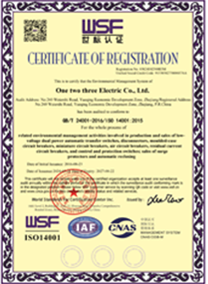
From raw material tracking to production waste recycling, we have collaborated with upstream and downstream partners to implement multiple carbon reduction plans. Our factory has obtained ISO 14001 certification and is committed to becoming a low-carbon benchmark supplier recognized by customers.
Click for Inquiry