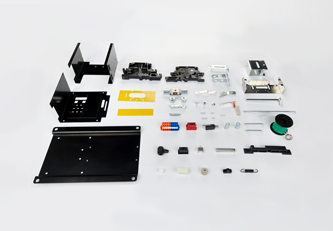
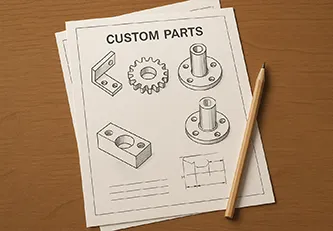
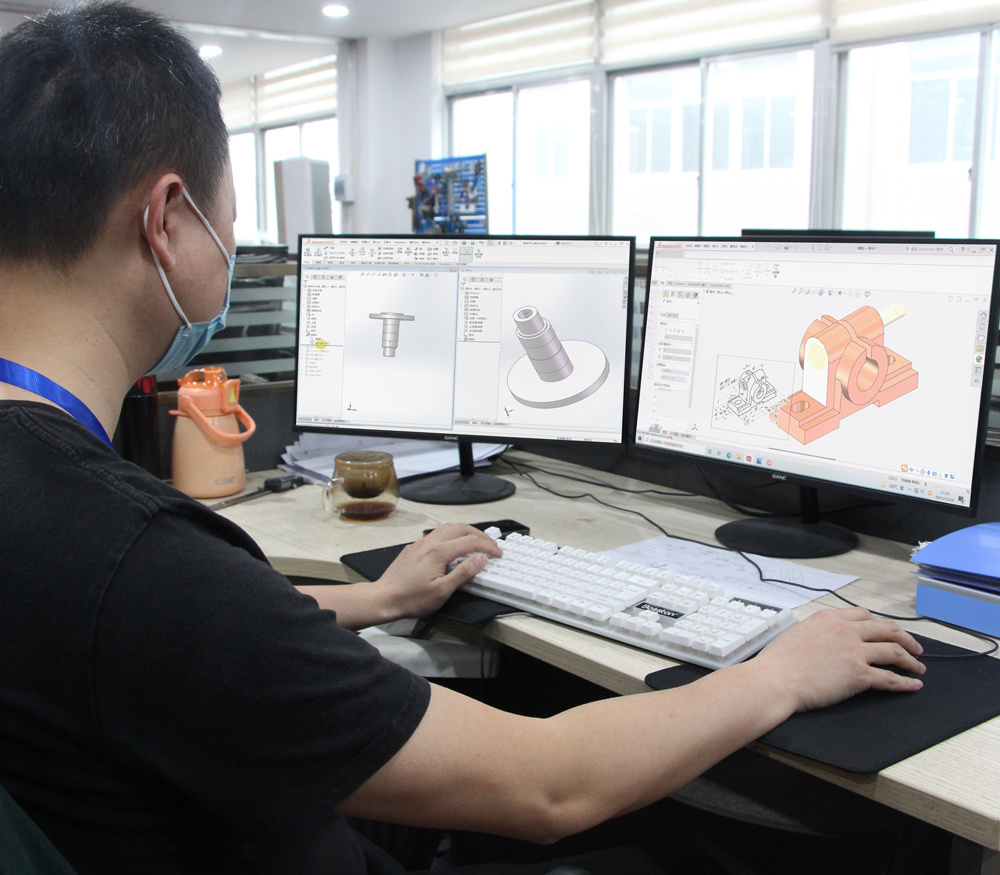
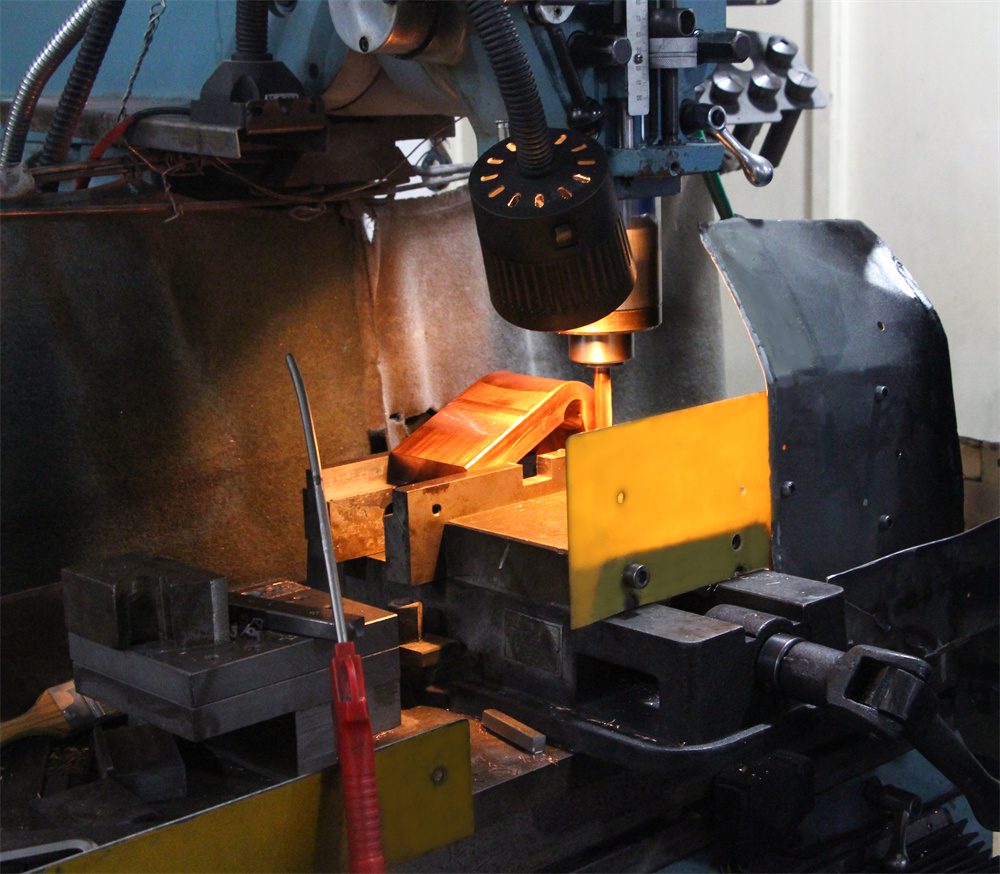
From concept to functional prototype — explore our precision-engineered 3D printing services tailored for rapid product development cycles.

High-accuracy FDM & SLA printed prototypes for mechanical design validation, fit testing, and concept modeling.
View Details →
Bridge tooling and soft mold prototypes for pre-production validation, reducing lead time by up to 70%.
View Details →
End-use grade prototypes using engineering-grade materials for stress testing, thermal analysis, and assembly trials.
View Details →
Complex assemblies with multi-material printing combining rigid, flexible, and transparent components in one build.
View Details →The adoption of 3D printers for prototyping projects has fundamentally reshaped the product development landscape across virtually every major industry. What once required weeks of manual tooling, expensive mold fabrication, and iterative redesigns can now be accomplished in hours — with a level of geometric complexity that traditional manufacturing simply cannot match. From startups validating their first MVP to Fortune 500 engineering teams stress-testing aerospace components, 3D printing has become the cornerstone of modern prototyping strategy.
The global 3D printing market was valued at over $18 billion in 2023 and is projected to exceed $62 billion by 2030, with prototyping applications accounting for the largest share of industrial demand. This explosive growth is driven by falling hardware costs, expanding material libraries, and the increasing integration of AI-assisted design tools that dramatically reduce the time from digital model to physical prototype.
3D printing reduces prototyping lead times by 60–90% compared to traditional CNC or injection molding methods — enabling faster iteration, lower development costs, and dramatically shorter time-to-market.
Today's commercial 3D printing ecosystem for prototyping spans a wide spectrum of technologies — including Fused Deposition Modeling (FDM), Stereolithography (SLA), Selective Laser Sintering (SLS), Digital Light Processing (DLP), and metal-based processes such as Direct Metal Laser Sintering (DMLS). Each technology serves distinct prototyping needs, from low-cost concept models to high-fidelity functional prototypes used in final design validation.
In the industrial sector, automotive manufacturers such as BMW, Ford, and Toyota maintain dedicated additive manufacturing centers where 3D printers produce hundreds of prototype components per day. Aerospace giants like Boeing and Airbus use 3D printing not only for prototyping but increasingly for certified end-use parts. The medical device industry relies heavily on 3D-printed prototypes for surgical instrument development, custom implant design, and patient-specific anatomical models used in surgical planning.
The consumer electronics sector — one of the fastest-moving product categories — uses 3D printing to compress development cycles for smartphone housings, wearable device enclosures, and PCB bracket prototypes. Companies like Apple and Samsung reportedly use multi-material 3D printing to produce hundreds of design variants simultaneously, enabling rapid A/B testing of form factors before committing to expensive tooling.
Generative AI tools now automatically optimize prototype geometries for strength, weight, and material efficiency before printing. Integration with CAD platforms enables real-time topology optimization, reducing material waste by up to 40% while improving structural performance.
Next-generation printers using Continuous Liquid Interface Production (CLIP) and High-Speed Sintering (HSS) technologies achieve print speeds 25–100x faster than conventional FDM, making same-day prototype delivery a commercial reality for service bureaus worldwide.
The expansion of printable materials — including carbon fiber composites, PEEK, Ultem, bio-compatible resins, and metal-filled filaments — has extended 3D printing from concept modeling into functional prototype validation under real operating conditions.
Cloud-connected 3D printing networks allow engineering teams to upload designs and receive prototypes from certified print farms anywhere in the world within 24–48 hours, eliminating geographic constraints on product development timelines.
Combining 3D printing with CNC post-processing, surface finishing, and injection molding creates hybrid workflows that leverage the geometric freedom of additive manufacturing with the precision surface quality of subtractive methods — ideal for production-intent prototypes.
Biodegradable PLA, recycled PETG, and closed-loop material recovery systems are making 3D printing prototyping increasingly sustainable. Leading manufacturers are targeting zero-waste prototype workflows as part of their ESG commitments and carbon reduction strategies.
In automotive development, 3D printing is used across the entire vehicle development cycle. Exterior design teams print 1:4 scale clay-replacement models for wind tunnel testing. Powertrain engineers produce functional intake manifold prototypes from high-temperature nylon to validate airflow dynamics before committing to die-cast aluminum tooling. Interior design teams iterate on dashboard component geometries, ergonomic controls, and trim panel assemblies with multiple daily print cycles.
Electric vehicle manufacturers are particularly aggressive adopters — battery enclosure prototypes, thermal management system components, and high-voltage connector housings are all routinely prototyped via SLS or DMLS before production release. This approach has been credited with reducing EV development programs by 12–18 months compared to traditional tooling-first methodologies.
Aerospace prototyping demands the highest standards of dimensional accuracy, material performance, and traceability. 3D printing enables the production of complex ducting, bracket, and housing prototypes with internal channel geometries impossible to achieve through conventional machining. Titanium and Inconel prototypes produced via DMLS are used for fit-check, weight validation, and early-stage structural testing in both commercial and military aircraft programs.
Defense contractors use 3D-printed prototypes for rapid fielding of equipment modifications, enabling design-to-deployment cycles measured in days rather than months. Drone manufacturers rely on SLS-printed structural prototypes to validate aerodynamic performance before transitioning to carbon fiber composite production parts.
The medical device industry represents one of the most demanding and fastest-growing segments for 3D printing prototyping. Custom surgical instruments, orthopedic implant prototypes, dental device models, and patient-specific anatomical replicas are all produced using biocompatible resins and metal powders. 3D-printed prototypes enable surgeons to rehearse complex procedures on accurate anatomical models before the operating room, improving patient outcomes and reducing surgical time.
Regulatory submissions for FDA 510(k) clearance increasingly include 3D-printed prototype test data, as the technology enables precise replication of production-intent geometries for biocompatibility and mechanical performance testing. Hearing aid manufacturers now use 3D printing for virtually all shell prototyping, achieving custom-fit designs in a single production step.
Architectural firms use large-format 3D printers to produce detailed scale models of building designs, enabling clients to evaluate spatial relationships, material aesthetics, and structural concepts with physical models rather than purely digital renderings. Construction technology companies prototype modular building components, custom facade elements, and complex joint systems using 3D printing before committing to full-scale fabrication.
LVMA CNC integrates 3D printing prototyping with CNC machining, injection molding, and die casting to deliver complete product development support — from first concept prototype to mass production-ready components — under one roof.
Industrial equipment manufacturers use 3D printing to prototype pump housings, valve bodies, gearbox covers, and custom fixture components. The ability to produce functional prototypes in engineering-grade nylon, polycarbonate, or metal enables performance testing under near-production conditions, identifying design flaws before expensive tooling is cut. Maintenance teams at large manufacturing facilities use 3D printing to produce replacement part prototypes for obsolete equipment, validating dimensional accuracy before ordering production quantities.
Selecting the optimal 3D printing process for a prototyping project requires careful consideration of dimensional accuracy requirements, material properties, surface finish expectations, production volume, and budget constraints. FDM remains the most cost-effective option for early-stage concept models and functional prototypes where surface finish is not critical. SLA and DLP deliver the highest surface quality for visual models, master patterns, and dental applications. SLS produces durable, functional prototypes without support structures, ideal for complex mechanical assemblies. Metal DMLS/SLM processes are reserved for high-performance prototypes requiring metal properties — strength, thermal resistance, and electrical conductivity.
For prototyping projects that will ultimately transition to CNC machining or injection molding production, working with an integrated manufacturer like LVMA CNC ensures seamless design-for-manufacturability review throughout the prototyping phase, preventing costly redesigns at production scale.
Your trusted partner for precision prototyping and production manufacturing since 2004.
LVMA CNC was established in 2018 as an integrated division focused on parts machining and export services. Our own factory, founded in 2004, contributes more than 20 years of experience in precision manufacturing.
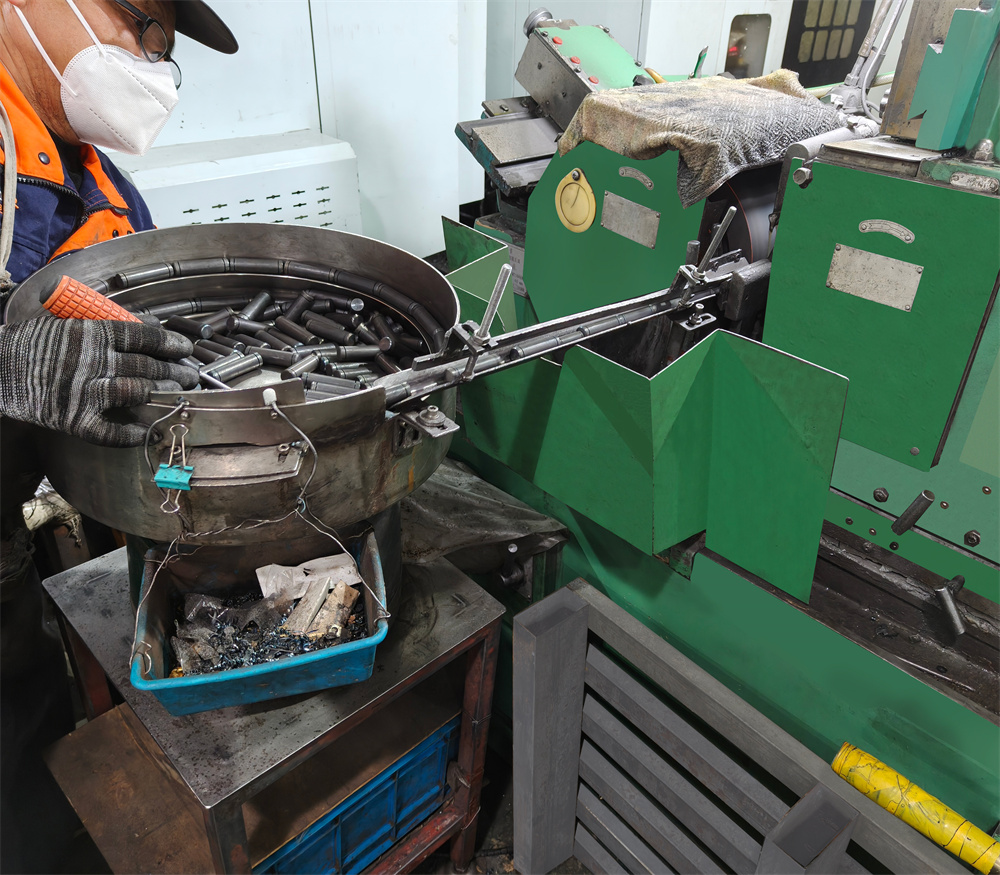
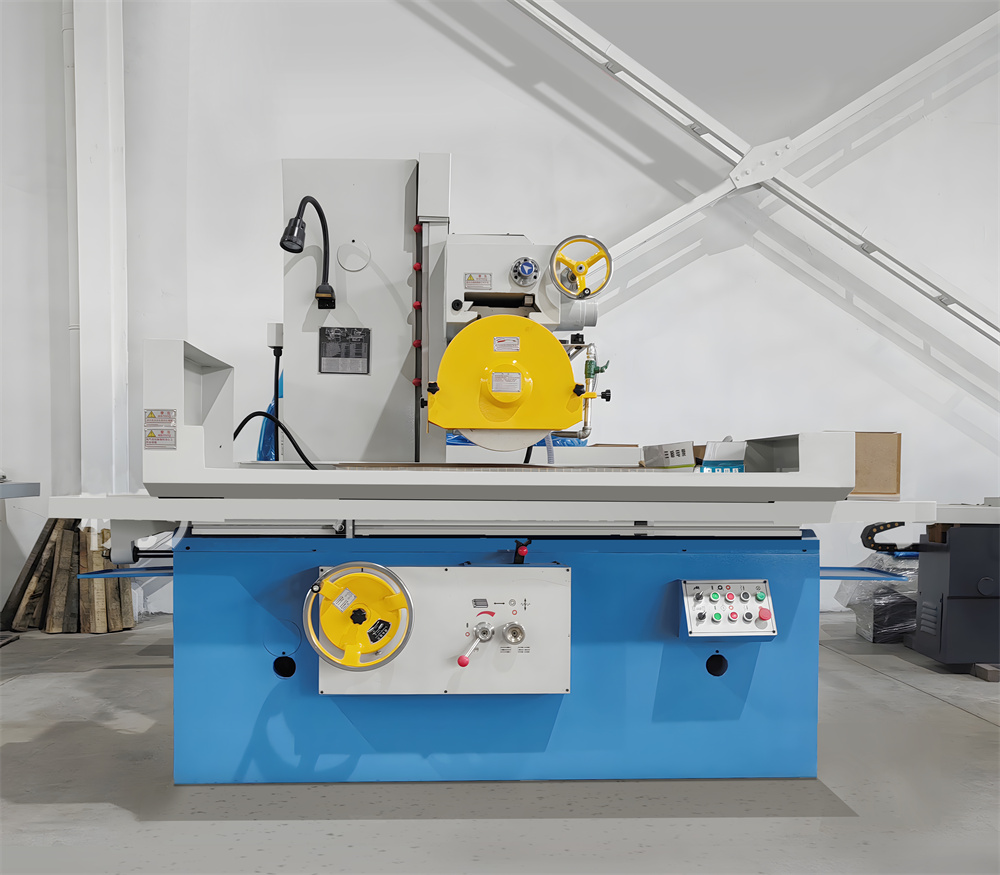
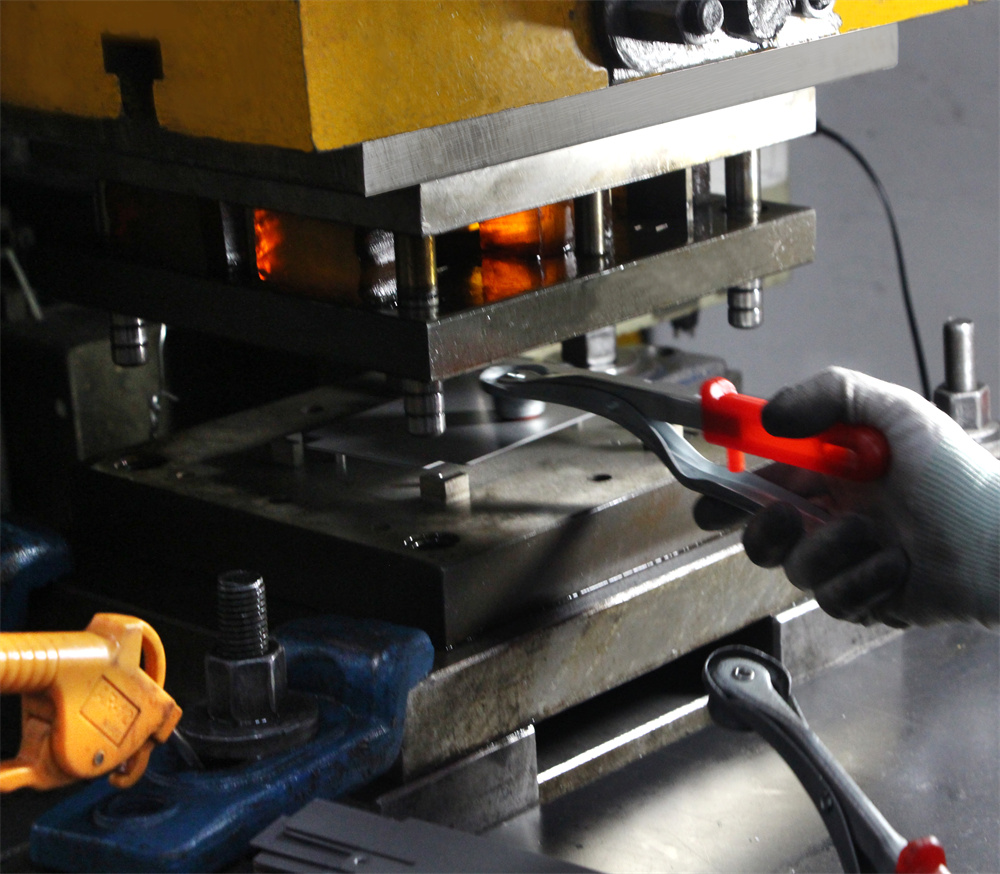
LVMA CNC combines export operations with in-house production capabilities. Our manufacturing capacity covers CNC machining, injection molding, die casting, and stamping, supported by a wide range of established industrial processes. Our operations are governed by a structured quality management system and are ISO 9001 certified.
We process over 100 materials, including copper, steel, aluminum, zinc, and engineering plastics, and supply components for applications in automotive engineering, electrical systems, and furniture hardware.


Combining deep manufacturing expertise with cutting-edge technology to deliver prototyping solutions that accelerate your product development cycle.
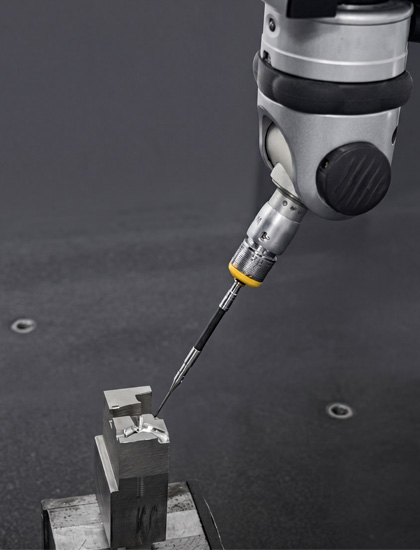
LVMA has a dedicated testing center and professional inspection team. Every prototype is inspected against production process standards before delivery, ensuring dimensional accuracy and material compliance.
Focused on non-standard parts and customized components, integrating cross-industry technical resources to meet design requirements for automotive, precision instruments, hardware, and furniture applications.
Rich experience in cost calculation and international logistics. 7×24-hour service response with a mature delivery system achieving 99.9% on-time delivery rate to clients in 80+ countries.
From prototype to mass production — remote diagnosis via digital operation platform, data-driven process improvement, and continuous cost optimization throughout the entire product lifecycle.
At LVMA CNC, our mission is to drive production line automation through our AI platform, enabling our clients to accelerate product iteration. By seamlessly blending cutting-edge manufacturing technologies with a collaborative network, we provide our customers with solutions characterized by precise delivery, scalable mass production, and rapid iteration capabilities — making us the ideal manufacturing partner for 3D printer prototyping projects of any scale and complexity.
Standardized and customized inspection solutions backed by internationally recognized certifications.
LVMA CNC offers standardized component inspection as well as tailored inspection solutions for all prototyping and production parts:
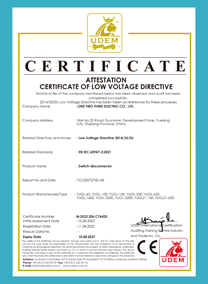
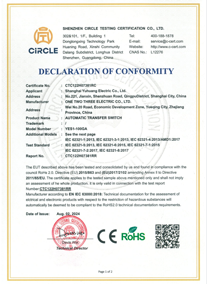
Backed by ISO 9001, ISO 14001, and ISO 45001 certifications, LVMA CNC guarantees uncompromising quality by providing comprehensive SGS testing, detailed dimensional inspection reports, Material Test Certificates (MTC), and industry-specific CE compliance.


Two decades of continuous innovation in precision manufacturing and prototyping services.
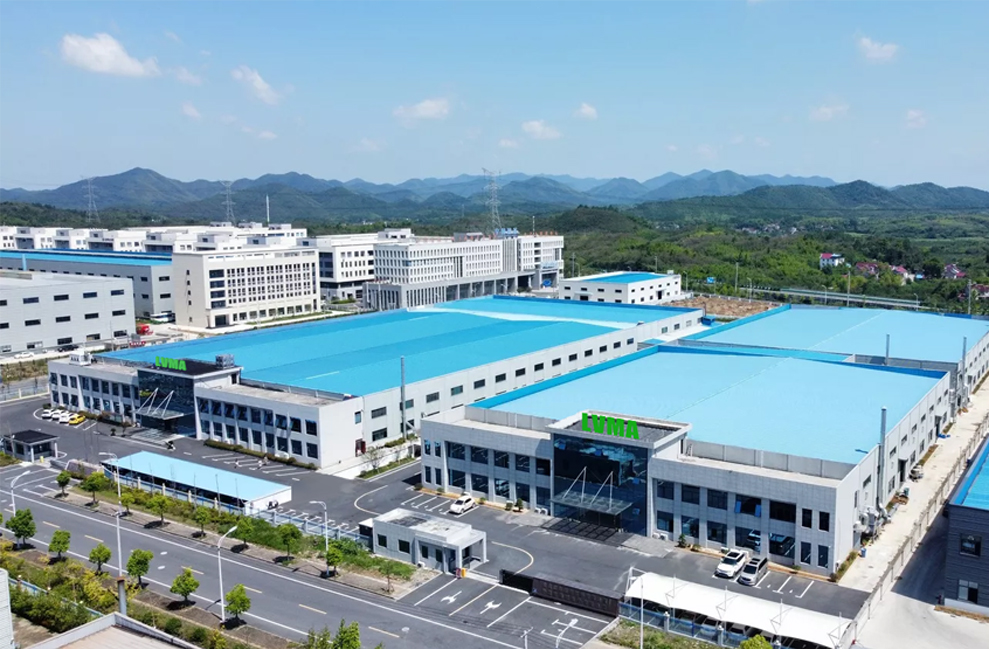
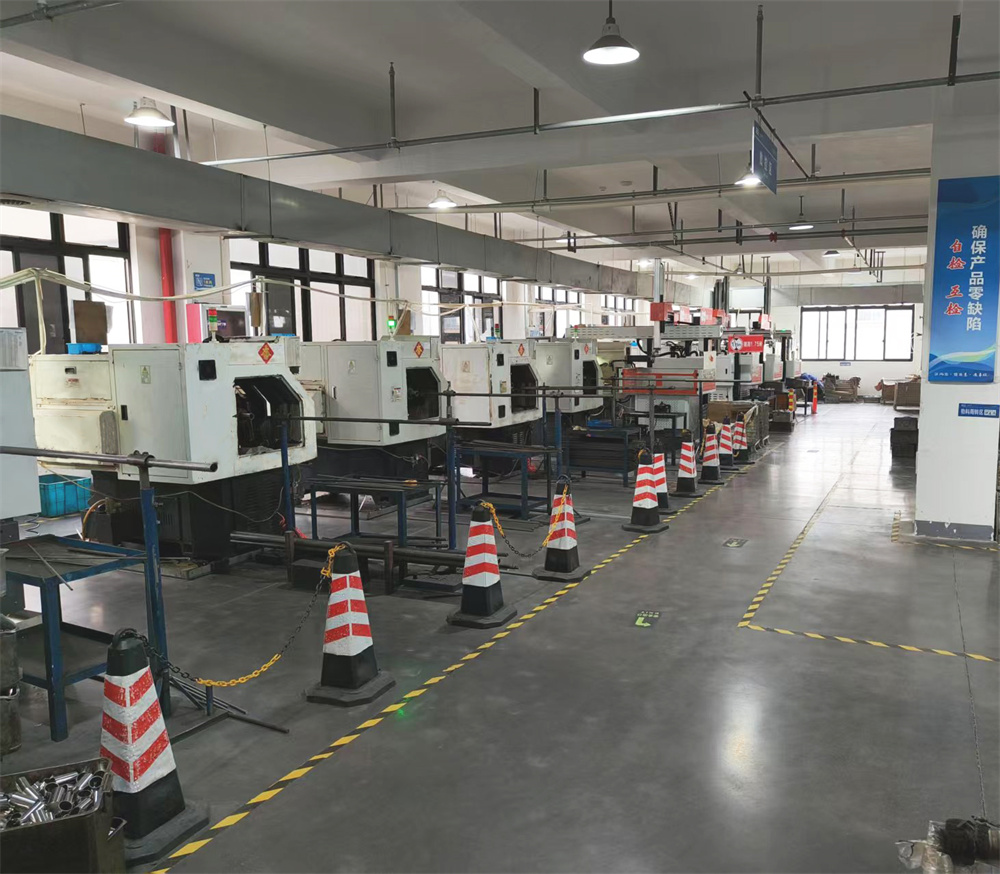
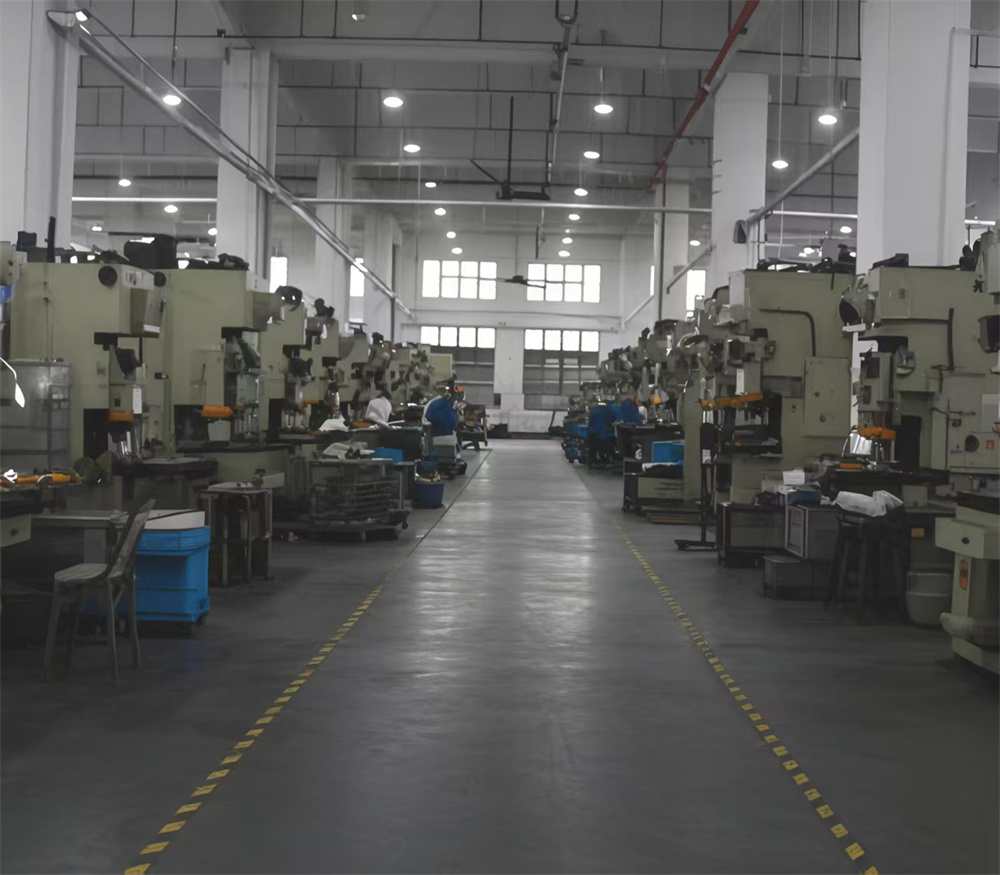
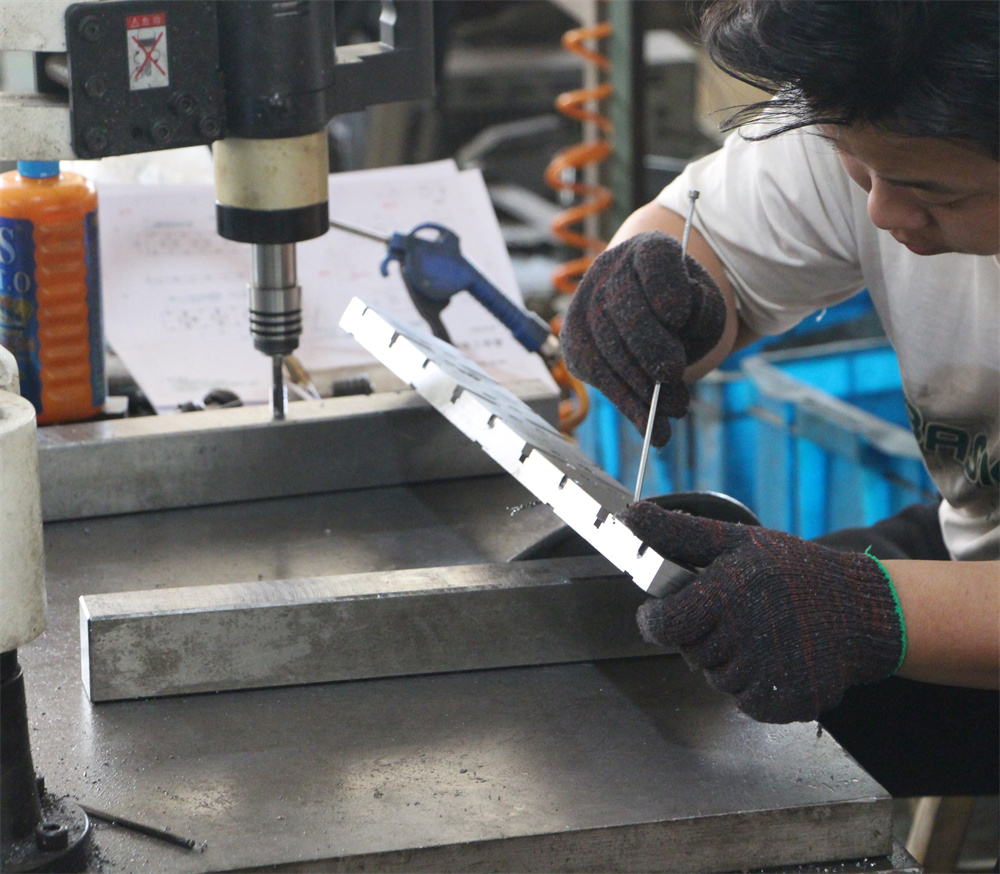
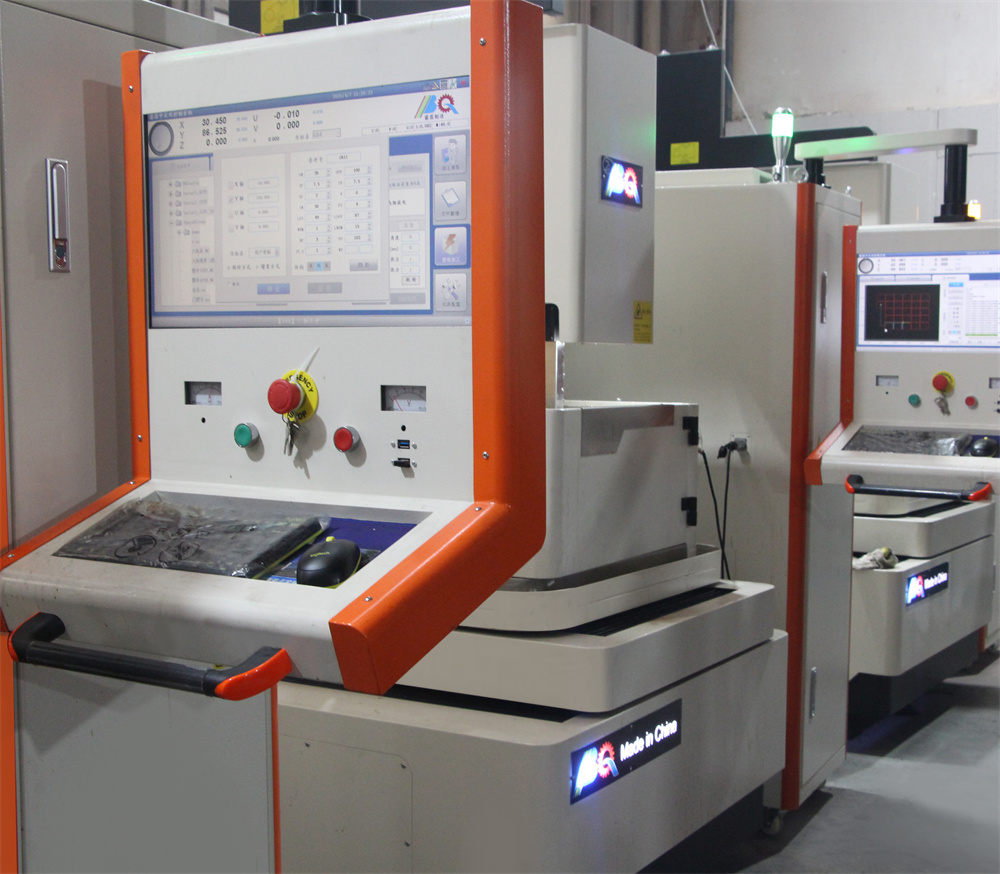
Step inside our state-of-the-art manufacturing facility — where precision engineering meets advanced prototyping technology.


From raw material tracking to production waste recycling, we have collaborated with upstream and downstream partners to implement multiple carbon reduction plans. Our factory has obtained ISO 14001 certification and is committed to becoming a low-carbon benchmark supplier recognized by customers — making sustainable 3D printing prototyping a reality for global manufacturers.
Click for InquiryExplore our comprehensive range of precision prototyping and manufacturing services designed to support every stage of your product development journey.

Ultra-smooth surface finish SLA prototypes for consumer electronics enclosures and display bezels.
View Details →
Durable SLS nylon prototypes for under-hood automotive components, brackets, and duct assemblies.
View Details →
Titanium and stainless steel DMLS prototypes for aerospace brackets, housings, and structural components.
View Details →
PEEK, Ultem, and polycarbonate FDM prototypes for industrial equipment housings and functional testing.
View Details →
Biocompatible resin and medical-grade nylon prototypes for surgical instruments and implant design validation.
View Details →
3D printed prototypes with CNC post-processing for tight-tolerance features, threaded inserts, and precision surfaces.
View Details →
Scale architectural models and construction component prototypes produced on large-format industrial 3D printers.
View Details →
3D printed mold inserts and bridge tooling for low-volume injection molding trials before full production tooling investment.
View Details →